

News
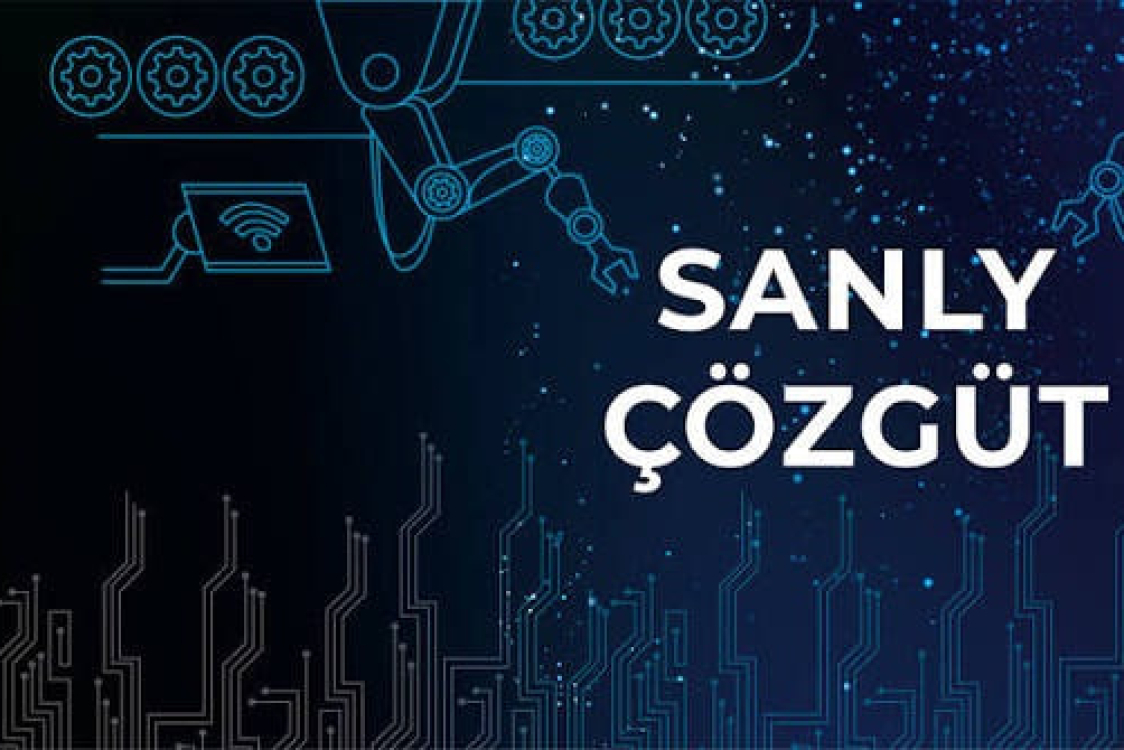
The ‘Digital Solution – 2026’ competition will take place in Turkmenistan
05.07.2026At a regular meeting of the Cabinet of Ministers, held via video conference, President Serdar Berdimuhamedov approved a proposal to organise the ‘Digital Solution – 2026’ competition for innovative projects. This was reported by the news agency ‘Turkmenistan: Golden Age’. Deputy Chairman of the Cabinet of Ministers B. Annayev delivered a report, noting that the competition aims to identify and support talented young people engaged in software development and innovation. In 2026, the competition will feature the following categories: artificial intelligence, robotics and automation, digital medicine, education and e-learning, Smart City, ‘smart’ agricultural technologies and service systems. The most promising developments are planned to be integrated into the digitalisation of the national economy. The results of the competition and the award ceremony for the winners will take place as part of the ‘Türkmentel – 2026’ International Exhibition and Scientific Conference. Having heard the report, President Serdar Berdimuhamedov noted that work is continuing in the country on the transition to a digital economy, emphasising the contribution of young people to the implementation of these programmes. The Head of State instructed the Deputy Prime Minister to ensure a high standard of organisation for the ‘Digital Solution – 2026’ competition.
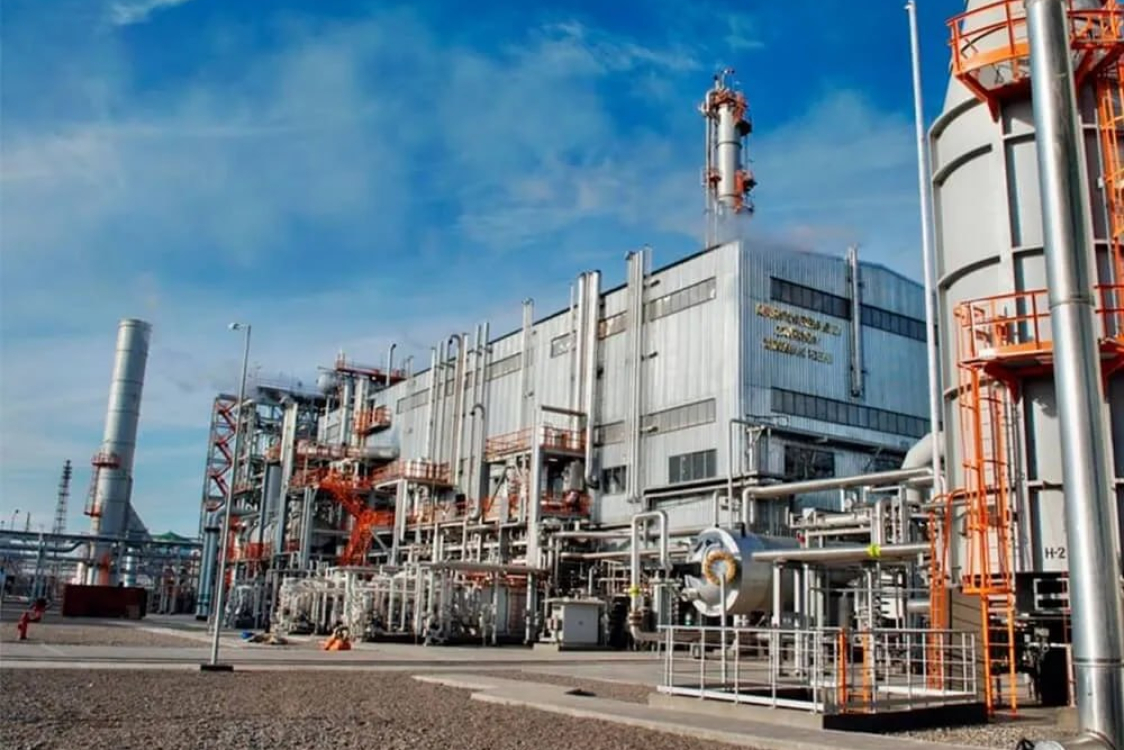
Production at the ‘Türkmenhimiýa’ plant in Turkmenistan is set to expand
05.07.2026On 3 July, Baymyrat Annamammedov, Deputy Chairman of the Cabinet of Ministers of Turkmenistan, reported during a government meeting on measures to expand production at the enterprises of the state-owned concern ‘Türkmenhimiýa’, including the ‘Balkanabat’ iodine plant. This was reported by the state news agency TDH. It was noted that, with a view to developing the country’s chemical industry and making more efficient use of local raw materials, new, modern enterprises based on innovative technologies are being established, whilst cooperation with foreign partners is being strengthened. The Deputy Prime Minister submitted the relevant proposal to the Head of State for consideration. Having heard the report, the President of Turkmenistan, Serdar Berdimuhamedov, emphasised the importance of developing the chemical industry and export-oriented production, approved the initiative to establish a new, modern facility at the ‘Balkanabat’ iodine plant, and issued relevant instructions.
The Chinese Ambassador spoke about the progress made in Turkmen-Chinese relations
04.07.2026The Chinese Ambassador to Turkmenistan, Ji Shumin, stated that Turkmen-Chinese relations have reached a new level due to active high-level contacts and successful cooperation in various fields. This was reported by the news website Turkmenportal. According to the Ambassador, a new phase of cooperation following 2012 has given further impetus to the development of bilateral ties, with the most notable results being achieved in the energy sector. The diplomat recalled this year’s visit to China by the National Leader of the Turkmen people and Chairman of the Halk Maslahaty of Turkmenistan, Gurbanguly Berdimuhamedov, and his negotiations with Chinese President Xi Jinping, which resulted in the identification of key areas for further cooperation. Furthermore, in April, Ding Xuexiang, Deputy Premier of the State Council of the People’s Republic of China, visited Turkmenistan with a view to implementing the agreements reached. According to the Ambassador, the visit contributed to the development of cooperation not only in the energy sector, but also in non-resource sectors and in the humanitarian sphere.

Three universities in Turkmenistan have been included in the ‘THE Sustainability Impact Ratings 2026’ ranking
04.07.2026Three universities in Turkmenistan have been included in the eighth edition of the international ‘THE Sustainability Impact Ratings 2026’ ranking, compiled by the British organisation ‘Times Higher Education’ (THE). This was reported by the news website Turkmenportal. The universities included in the ranking are the Oguz Han Engineering and Technology University of Turkmenistan, the Turkmen State Institute of Architecture and Construction, and the Yagshygeldi Kakayev International University of Oil and Gas. According to the 2026 assessment, Turkmen universities have improved their positions, demonstrating achievements across nine of the UN Sustainable Development Goals, including quality education, affordable and clean energy, innovation and infrastructure. A total of 1,646 universities from 116 countries worldwide were included in the ranking.
Turkmenistan and Iran have reaffirmed their commitment to strengthening cooperation
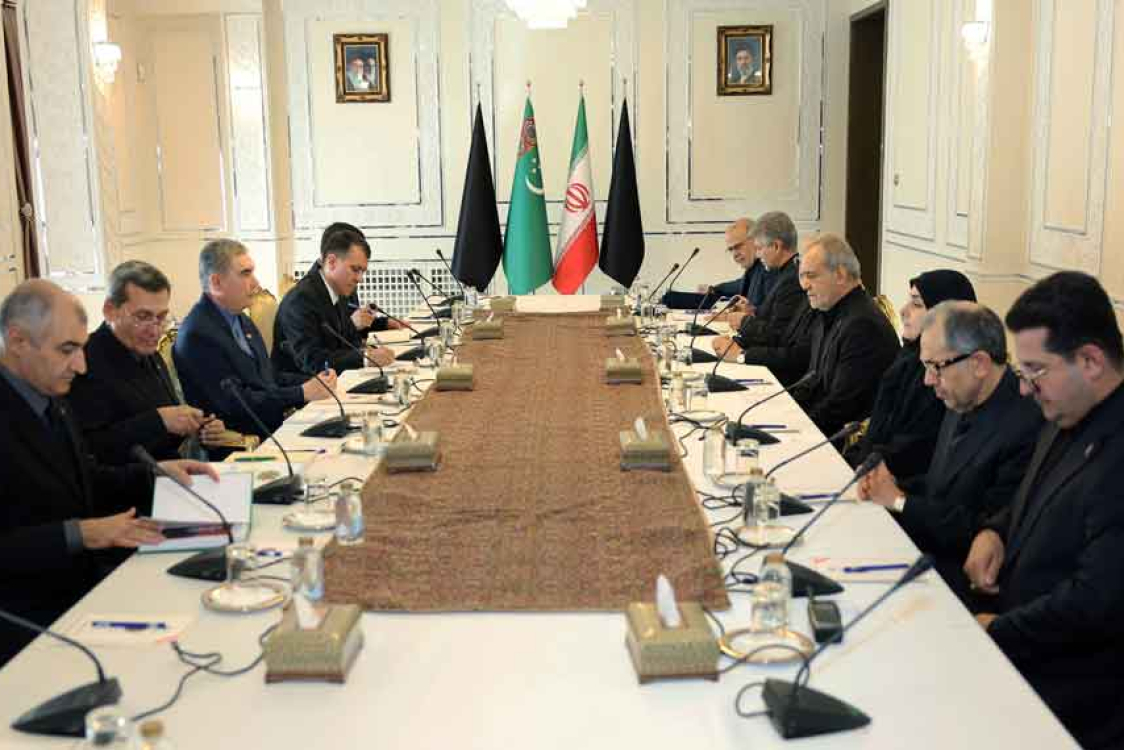
04.07.2026On 3 July, as part of his visit to the Islamic Republic of Iran, the National Leader of the Turkmen people and Chairman of the Halk Maslahaty of Turkmenistan, Gurbanguly Berdimuhamedov, visited the ‘Sarvestan’ Palace in the ‘Saadabad’ complex, where negotiations were held with President Masoud Pezeshkian. This was reported by the news agency TDH. Iranian President Masoud Pezeshkian, welcoming the distinguished guest, emphasised the importance of developing multifaceted cooperation with Turkmenistan. Masoud Pezeshkian expressed his confidence that the visit would give further impetus to bilateral relations. Hero Arkadag thanked him for his hospitality and noted the high level of inter-state dialogue, based on the principles of good neighbourliness and mutual respect. Gurbanguly Berdimuhamedov conveyed greetings and best wishes to Masoud Pezeshkian from the President of Turkmenistan, Serdar Berdimuhamedov. In response, the President of Iran extended his best wishes to the leadership of Turkmenistan and noted the dynamic development of the bilateral partnership. During the negotiations, it was emphasised that strengthening relations with neighbouring states is a key priority of Turkmenistan’s foreign policy, which is based on the principles of positive neutrality, good-neighbourliness and international cooperation. The parties noted the long-standing nature of their relations, based on mutual goodwill, and expressed their confidence that the meeting would lay the foundations for the further development of Turkmen-Iranian cooperation. At the conclusion of the meeting, the parties reaffirmed their readiness to strengthen friendly and fraternal ties across a wide range of areas and exchanged mutual good wishes.
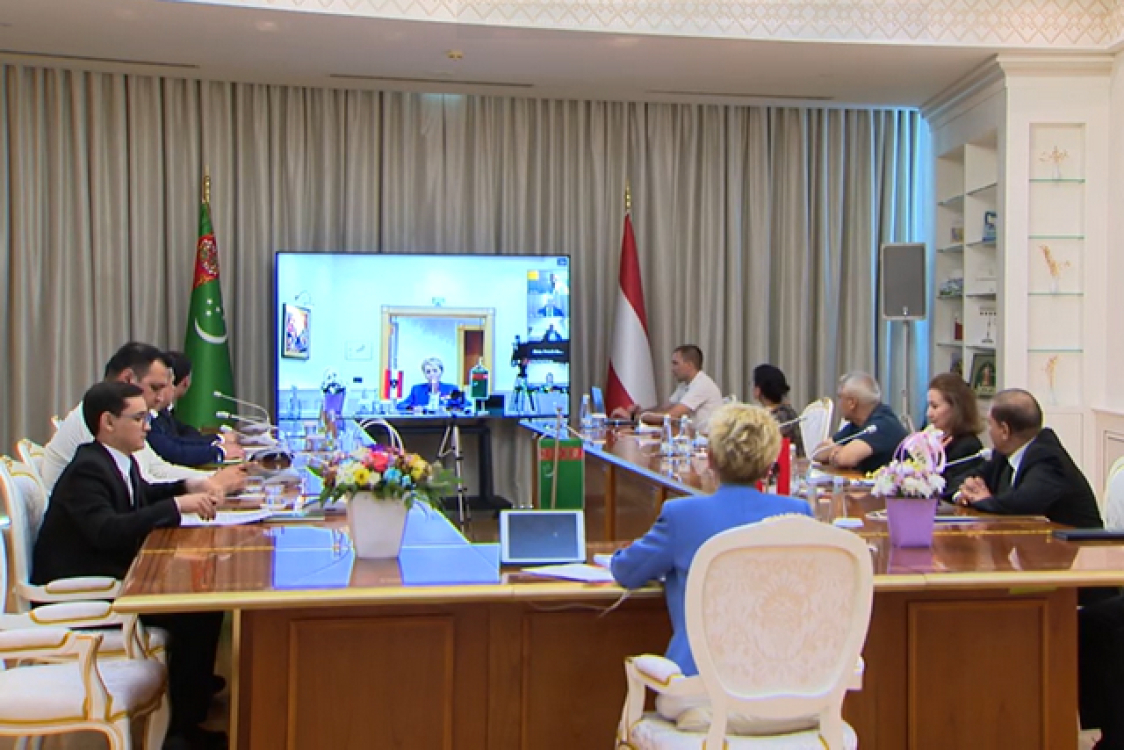
A meeting on Turkmen-Austrian cooperation took place in Ashgabat
04.07.2026A business meeting dedicated to the development of relations between Turkmenistan and the Republic of Austria was held at the ‘Ýyldyz’ Hotel in Ashgabat. The event took place in a hybrid format: representatives of the Turkmen business community and government bodies attended in person, whilst Austrian companies joined online, according to the IIC of Turkmenistan. Neda Berger, Head of the Turkmen-Austrian Society, addressed the meeting. Participants discussed the current state of bilateral cooperation, noting its consistent development and positive momentum. Particular attention was paid to promising joint projects, the introduction of innovations and the expansion of business contacts across various sectors of the economy. Separately, the participants congratulated Neda Berger on being awarded the Golden Decoration of Merit of the Federal State of Vienna. Her contribution to the development of Turkmen-Austrian relations was highlighted. The parties reaffirmed their readiness to further strengthen economic and cultural cooperation.
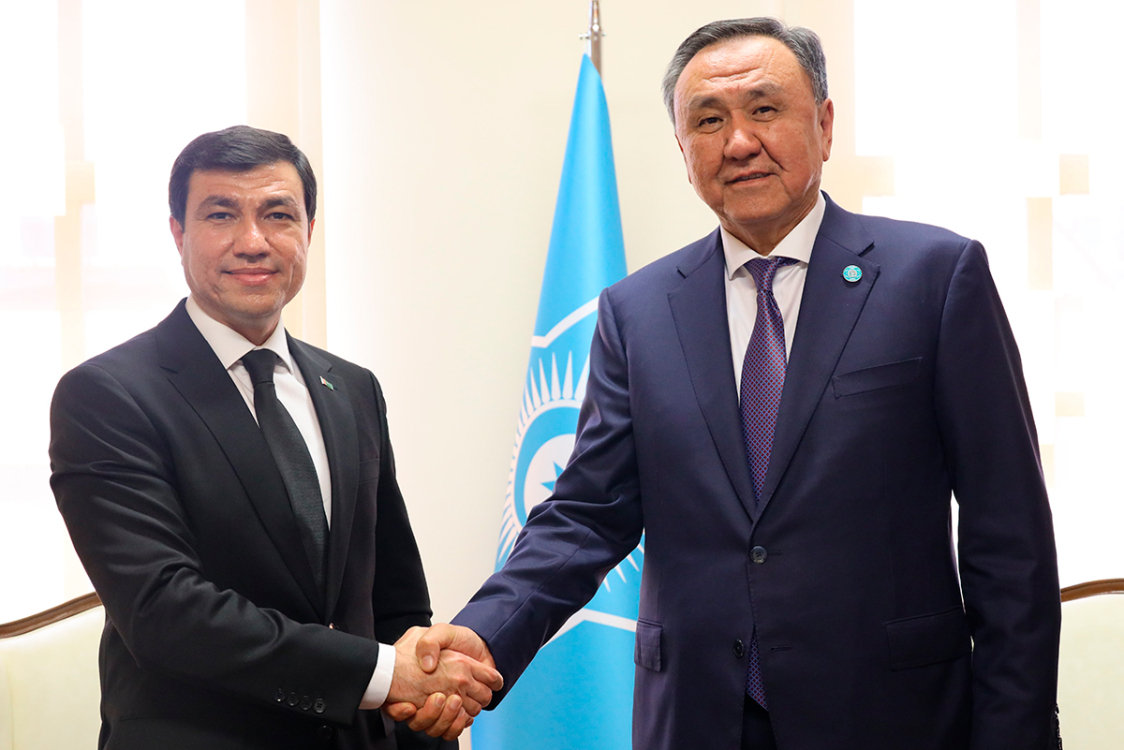
The Consul-General of Turkmenistan in Turkey held negotiations with the leadership of the OTS
04.07.2026On 2 July 2026, a meeting took place in Istanbul between Ovezgeldi Jumanazarov, Consul-General of Turkmenistan in the Republic of Turkey (Istanbul), and Kubanychbek Omuraliyev, Secretary-General of the Organisation of Turkic States. The negotiations took place at the Secretariat of the Organisation of Turkic States, according to the news agency ‘Turkmenistan: Golden Age’. The parties discussed ways of strengthening cooperation within the framework of the Organisation of Turkic States, as well as prospects for expanding collaboration in areas of mutual interest. Following the meeting, both sides reaffirmed their commitment to the further development of their partnership. The importance of regular dialogue in strengthening friendship, good-neighbourly relations and regional cooperation was emphasised.
Turkmenistan and Japan held political consultations
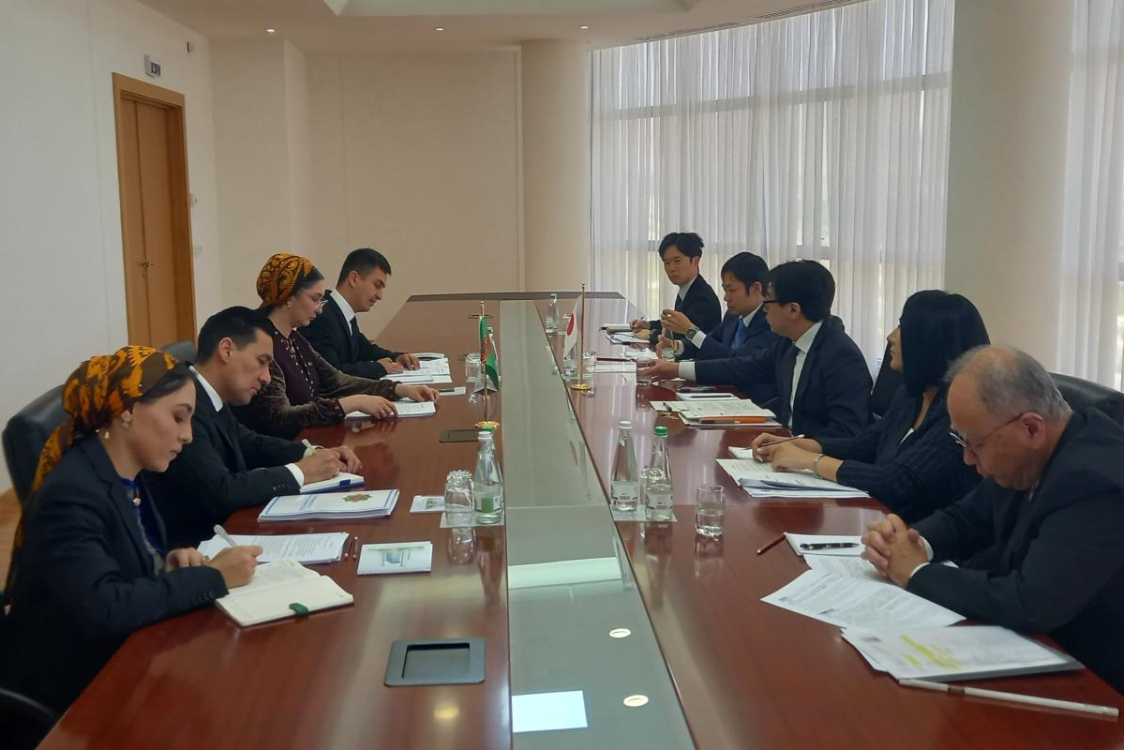
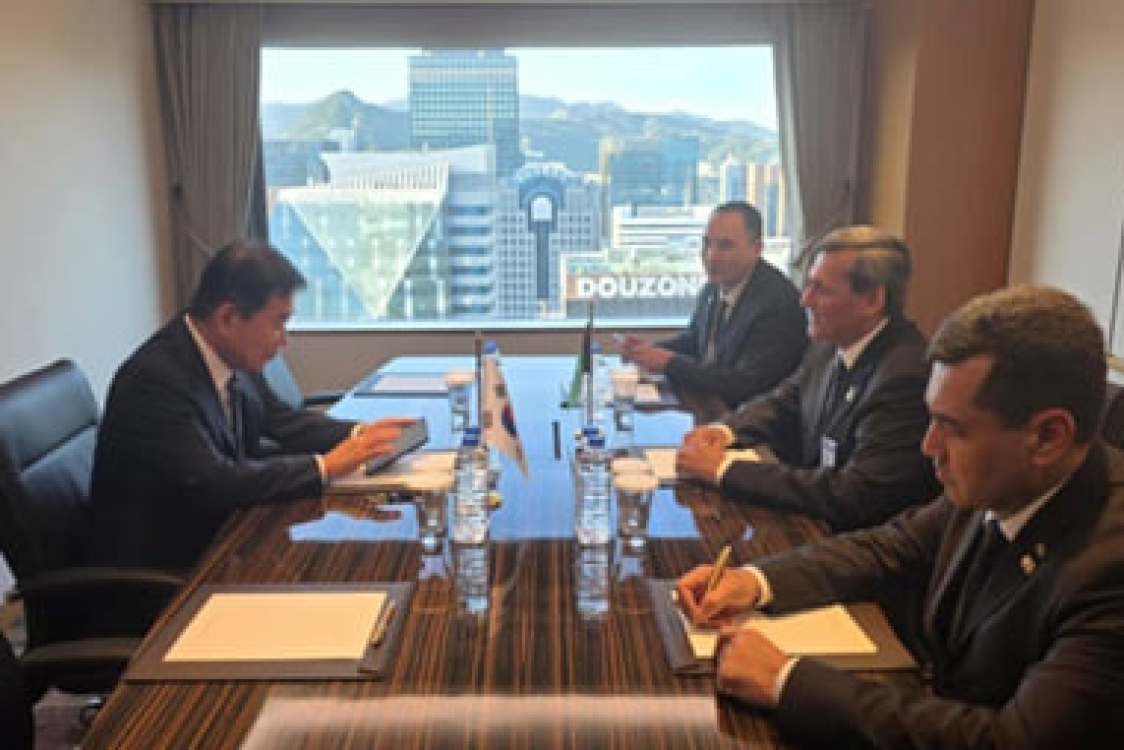
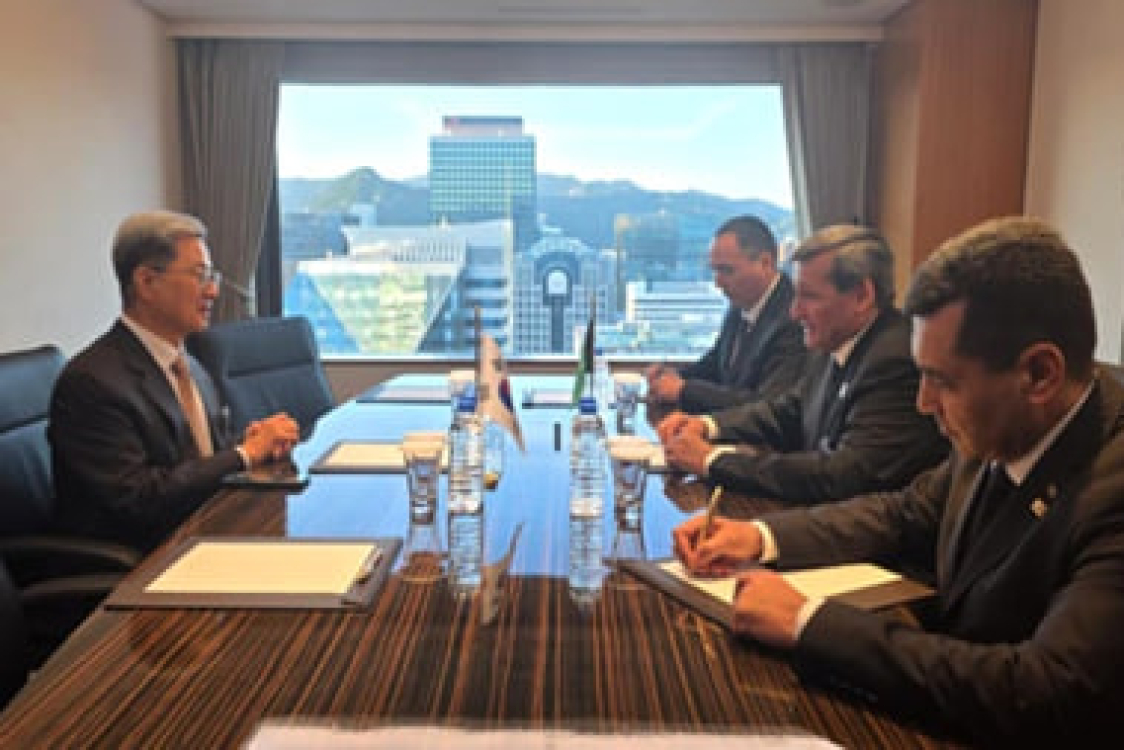
04.07.2026On 3 July 2026, political consultations took place at the Foreign Affairs Ministry of Turkmenistan between the Foreign Affairs Ministries of Turkmenistan and Japan. This was reported by the press office of the Foreign Affairs Ministry of Turkmenistan. The Turkmen delegation was led by Myahri Byashimova, Deputy Foreign Affairs Minister of Turkmenistan. The Japanese delegation was led by Masaki Ishikawa, Special Representative for Central Asian Affairs at the Ministry of Foreign Affairs of Japan. The parties discussed a wide range of issues relating to bilateral and regional cooperation. It was noted that relations are underpinned by regular, trust-based dialogue at the highest state and government levels. They reaffirmed their readiness to further strengthen coordination within international organisations, primarily the UN, with a view to maintaining global security and sustainable development. Particular attention was paid to cooperation within the ‘Central Asia + Japan’ framework and to the implementation of agreements previously reached following summits and high-level meetings. In the political segment, the parties noted the active nature of inter-parliamentary contacts and the importance of the work carried out by the friendship groups between the parliaments of the two countries. In the economic segment of the consultations, the progress of joint investment projects was reviewed. Positive trends in cooperation were noted in the gas-chemical and energy sectors, as well as in the transport and logistics sector. The role of the Turkmen-Japanese and Japanese-Turkmen Committees on Economic Cooperation was emphasised. The parties also discussed the development of people-to-people ties. They discussed expanding cooperation in the fields of science and education, supporting the study of the Japanese language in Turkmenistan, and developing cultural exchange. Following the meeting, the parties reaffirmed their commitment to further deepening their partnership. It was noted that regular inter-ministerial consultations remain an important mechanism for developing cooperation.
Turkmenistan highlighted the role of the Trans-Caspian Corridor at a meeting in the European Parliament
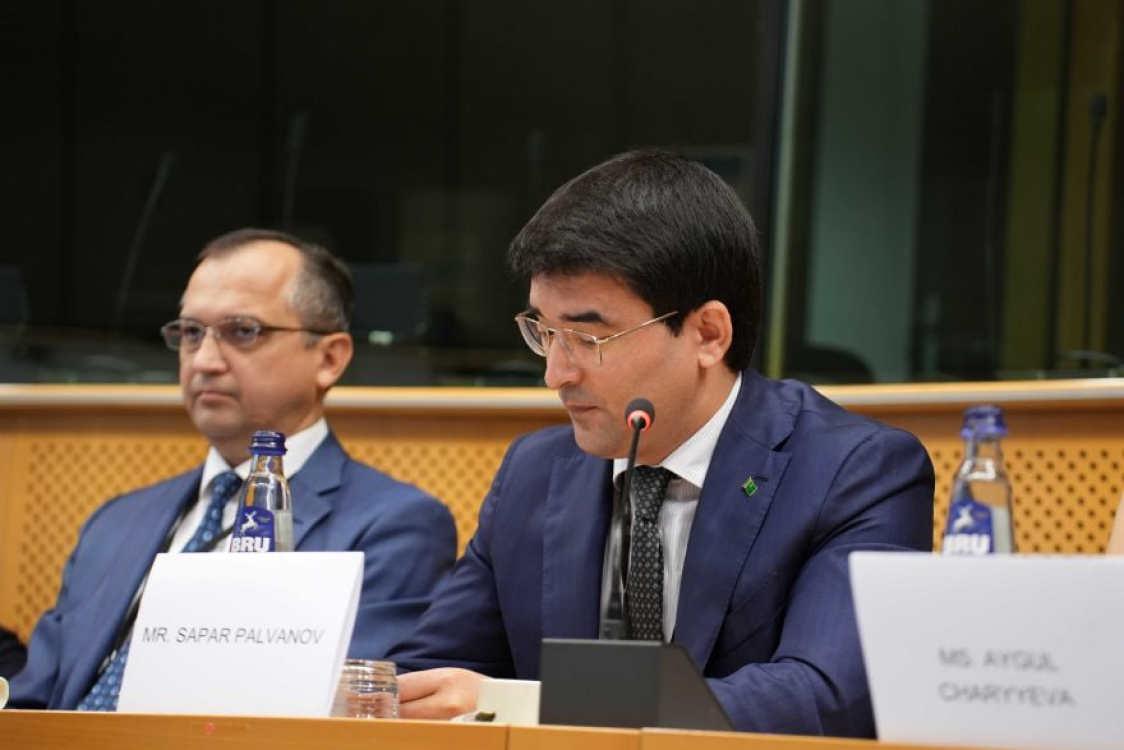
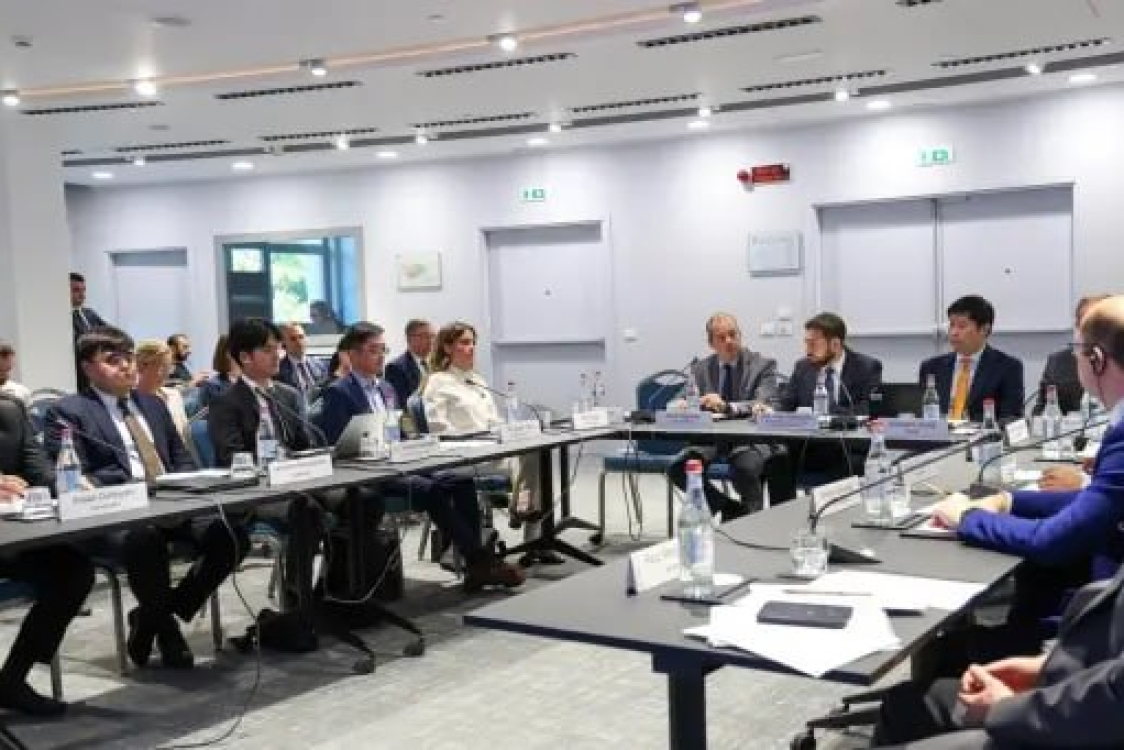
04.07.2026A high-level round-table discussion on the topic ‘The Trans-Caspian Corridor as a Factor in Strengthening the European Union’s Strategic Autonomy’ was held at the European Parliament in Brussels. The event took place with the support of Ilhan Kyuchyuk, Member of the European Parliament. This was reported by the press office of the Turkmen diplomatic mission. Opening remarks were made by Ilhan Kyuchyuk, the Ambassador of Turkmenistan Sapar Palvanov, the Ambassador of Uzbekistan Gayrat Fazilov and the Ambassador of Kazakhstan Roman Vassilenko. The participation of representatives from Central Asia underscored the regional significance of the discussion and the shared interest in developing sustainable transport links between Central Asia and the European Union. During his speech, Sapar Palvanov noted that, in today’s world, transport connectivity goes beyond a mere technical issue and is directly linked to the stability of supply chains, strategic autonomy and the diversification of routes. According to him, this also affects states’ ability to adapt to changes in the international situation. The Ambassador emphasised that the Trans-Caspian transport route represents an additional strategic corridor for Europe, linking the European space with Central Asia and the wider Asian region via the South Caucasus and the Caspian Sea. He also stated that, for Turkmenistan, this corridor forms part of the national transport policy. He said that the country’s geographical location presents both opportunities and responsibilities — to act as a reliable and predictable partner within the international transport system. It was specifically noted that the Trans-Caspian Corridor should be viewed as a comprehensive transport ecosystem, encompassing ports, vessels, rail and road infrastructure, customs procedures, digital solutions, logistics companies and private-sector involvement. Participants at the round table praised the route’s growing role in strengthening ties between the European Union, Central Asia, the South Caucasus and the wider Eurasian region. It was emphasised that the corridor is important not only for trade and logistics, but also for the resilience of supply chains and regional cooperation. The programme included two panel sessions: ‘Central Asia and the Trans-Caspian Corridor: An Integrated Connectivity Architecture’ and ‘From Strategy to Investment: Global Gateway and EU-Central Asia Partnership’. The session was moderated by Derya Soysal, an expert on Central Asia and a PhD student at Tashkent State University of Oriental Studies. During the discussions, the efforts of Central Asian countries to develop infrastructure, digitise procedures and strengthen regional coordination were highlighted. Following the meeting, the need for further cooperation between the EU, the countries of Central Asia and the South Caucasus, international financial institutions and the private sector was emphasised. According to the participants, the development of the Trans-Caspian route should be based on specific projects, investments and digital solutions.
A conference marking the 105th anniversary of the Communist Party of China was held in Ashgabat
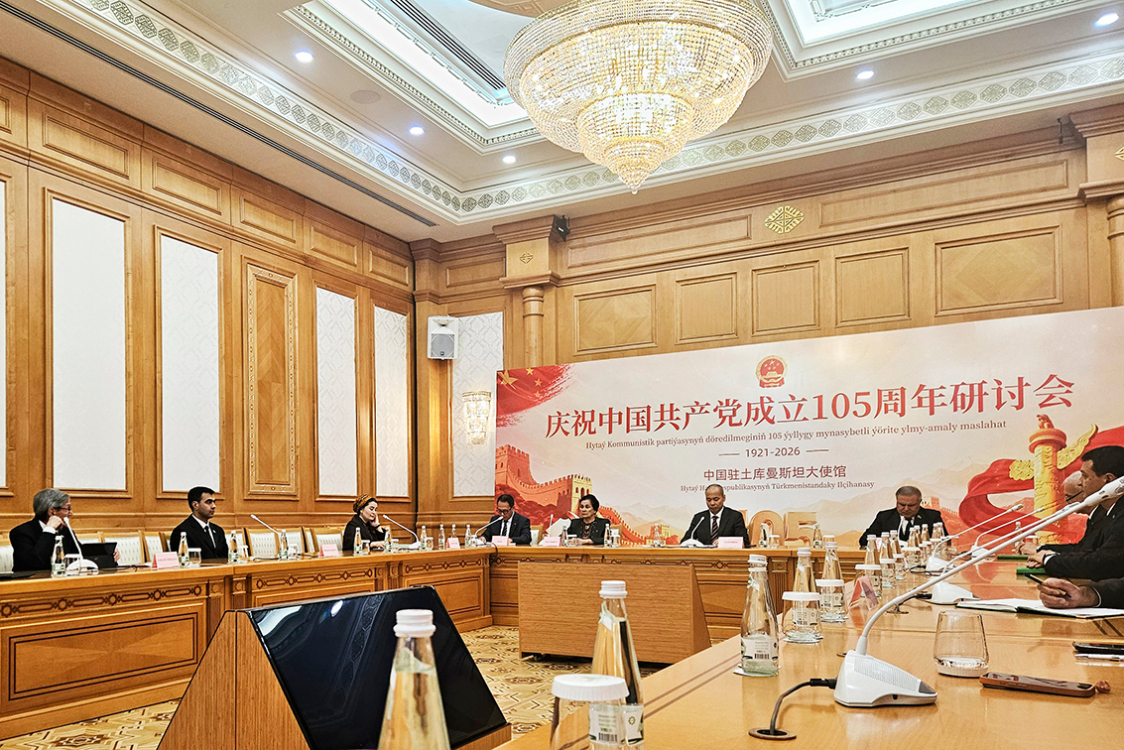
04.07.2026A scientific and practical conference marking the 105th anniversary of the founding of the Communist Party of China was held in Ashgabat. This was reported by IIC of Turkmenistan. The event took place at the ‘Arçabil’ Hotel. It began with a video presentation on the history of the CPC’s founding and the stages of its development. Ji Shumin, the People’s Republic of China’s Ambassador Extraordinary and Plenipotentiary to Turkmenistan, delivered a welcoming address. The Ambassador spoke about the party’s history, its key objectives, China’s economic development and Beijing’s international initiatives within the United Nations.Representatives from Turkmenistan’s socio-political circles addressed the conference. Chinar Rustemova, Executive Secretary of the National Commission of Turkmenistan for UNESCO, noted the significance of the ‘Belt and Road’ initiative and emphasised the role of the recent visit to China by the National Leader of the Turkmen people, Gurbanguly Berdimuhamedov, Chairman of the Halk Maslahaty of Turkmenistan, to China in the development of bilateral relations. Participants noted that, over 35 years of diplomatic relations, Turkmenistan and the PRC have established cooperation in the political, trade and economic, transport and logistics, and educational spheres. The five-year programme of inter-governmental cooperation, signed in April, has given further impetus to cooperation in the gas sector. Ata Serdarov, Chairman of the Democratic Party of Turkmenistan, spoke of the development of inter-party dialogue with the CPC, including within the ‘Central Asia–China’ framework. He also highlighted the significance of the visit to Ashgabat by Ding Xuexiang, First Vice-Premier of the State Council of the People’s Republic of China, and of the cooperation between the State Concern ‘Türkmengaz’ and China’s CNPC in strengthening the energy partnership. It is noted that Turkmen-Chinese relations have historical roots dating back to the era of the Great Silk Road.
Turkmenistan and Pakistan are expanding their humanitarian cooperation
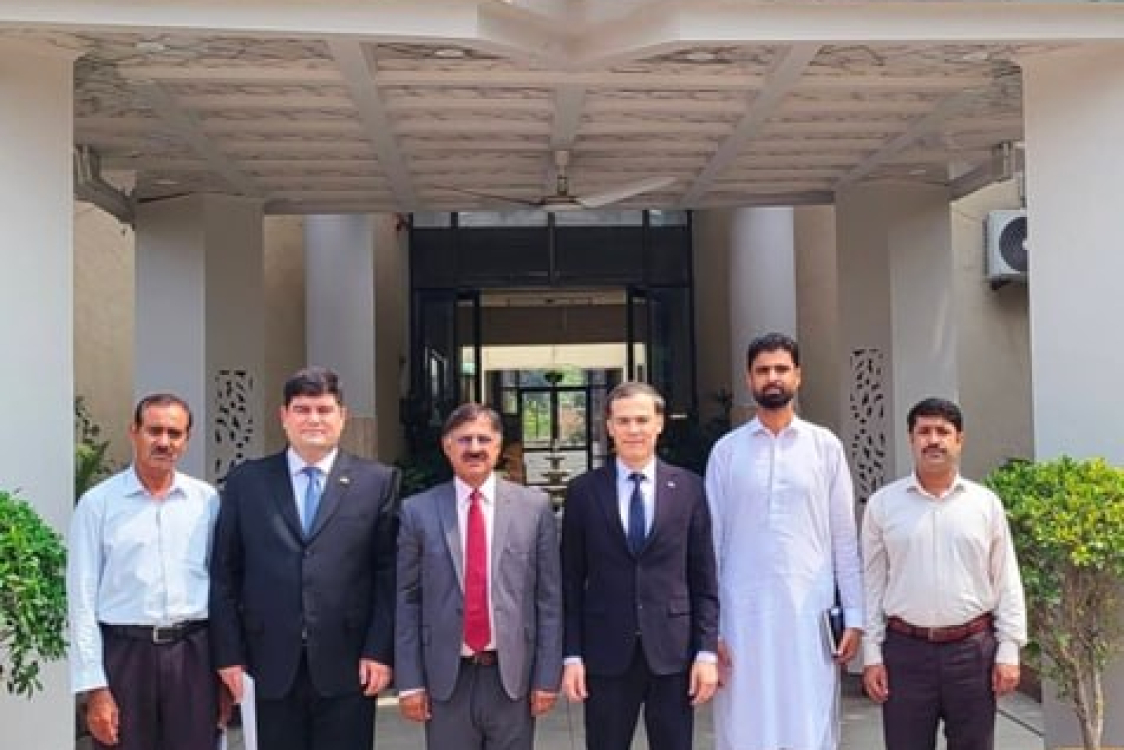
04.07.2026Diplomats from the Embassy of Turkmenistan in the Islamic Republic of Pakistan visited the Department for the Promotion of the National Language at the Ministry of National Heritage and Culture of Pakistan. This was reported by the IIC of Turkmenistan. During a meeting with the Director-General of the Department, Professor Muhammad Salem Mazhar, the parties discussed the development of Turkmen-Pakistani cooperation in the cultural and humanitarian spheres. Particular attention was paid to expanding literary and academic exchanges, strengthening ties between educational and research institutions, and implementing joint projects to promote the historical and cultural heritage of both countries. Professor Muhammad Salem Mazhar presented the Turkmen side with a collection of textbooks, academic works and reference publications on the Urdu language. The books received will be sent to the Dovletmammet Azadi Turkmen National Institute of World Languages, where they will be added to the library’s collection and used in educational and academic work. Following the meeting, the parties reaffirmed their intention to continue developing humanitarian and academic cooperation between Turkmenistan and Pakistan.
The Hero Arkadag’s visit to Iran has given new impetus to cooperation between Ashgabat and Tehran
04.07.2026On 3 July, the National Leader of the Turkmen people and Chairman of the Halk Maslahaty of Turkmenistan, Gurbanguly Berdimuhamedov, paid a working visit to the Islamic Republic of Iran. This was reported by the TDH news agency. The Hero Arkadag was received by officials at the capital’s international airport. At Mehrabad International Airport in Tehran, the Turkmen delegation was met by the First Vice-President of the Islamic Republic of Iran, Mohammad Reza Aref, and other officials. An honour guard was lined up. As part of the visit, the Chairman of the Halk Maslahaty of Turkmenistan held negotiations with the President of the Islamic Republic of Iran, Masoud Pezeshkian, at the ‘Sarvestan’ Palace within the ‘Saadabad’ complex. The parties discussed the development of bilateral relations. The President of Iran noted his interest in expanding multi-faceted cooperation with Turkmenistan and expressed his confidence that the visit would give new impetus to cooperation. Hero Arkadag conveyed greetings and best wishes from the President of Turkmenistan, Serdar Berdimuhamedov. The parties reaffirmed their commitment to developing cooperation based on the principles of good neighbourliness and mutual respect. It was noted that relations between the two countries are long-term and stable. Particular attention was paid to trade and economic cooperation. The role of the joint Inter-governmental Commission, business forums and exhibitions was emphasised. They discussed the development of cooperation in the energy, transport and agricultural sectors. Among the key projects highlighted was the ‘Kazakhstan–Turkmenistan–Iran’ railway line, which forms part of the ‘North–South’ international corridor. In addition, a meeting took place with the Chairman of the Islamic Consultative Assembly, Mohammad Bagher Ghalibaf. The parties discussed inter-parliamentary cooperation, the work of friendship groups and the exchange of experience between parliamentarians. The importance of preserving cultural heritage and developing humanitarian ties between the peoples of the two countries was emphasised. Hero Arkadag also gave an interview to the Iranian television channel IRIB, in which he noted the steady development of Turkmen-Iranian relations in the political, economic and humanitarian spheres. As part of the visit, the Chairman of the Halk Maslahaty of Turkmenistan visited the Imam Khomeini Mosalla Mosque in Tehran, where a memorial service was held. A farewell ceremony was held there for the late Leader of the Islamic Republic of Iran, Ayatollah Seyyed Ali Khamenei. The event was attended by officials from the Islamic Republic of Iran. The Honour Guard Company played the official anthem, and verses from the Holy Quran were recited. Gurbanguly Berdimuhamedov offered prayers for the repose of the souls of the departed and expressed his condolences to the President of the Islamic Republic of Iran, Masoud Pezeshkian, as well as to the Iranian side on behalf of President Serdar Berdimuhamedov, the Turkmen people and himself personally. Hero Arkadag also signed the book of condolences. At the conclusion of the visit, the National Leader of the Turkmen people proceeded to Tehran’s Mehrabad International Airport, from where he flew back to Turkmenistan. Hero Arkadag was met by officials at the capital’s international airport. The visit reaffirmed the high level of Turkmen-Iranian dialogue and is aimed at further strengthening bilateral cooperation.
Read also
Advertising
 Read us in Zen


