


News
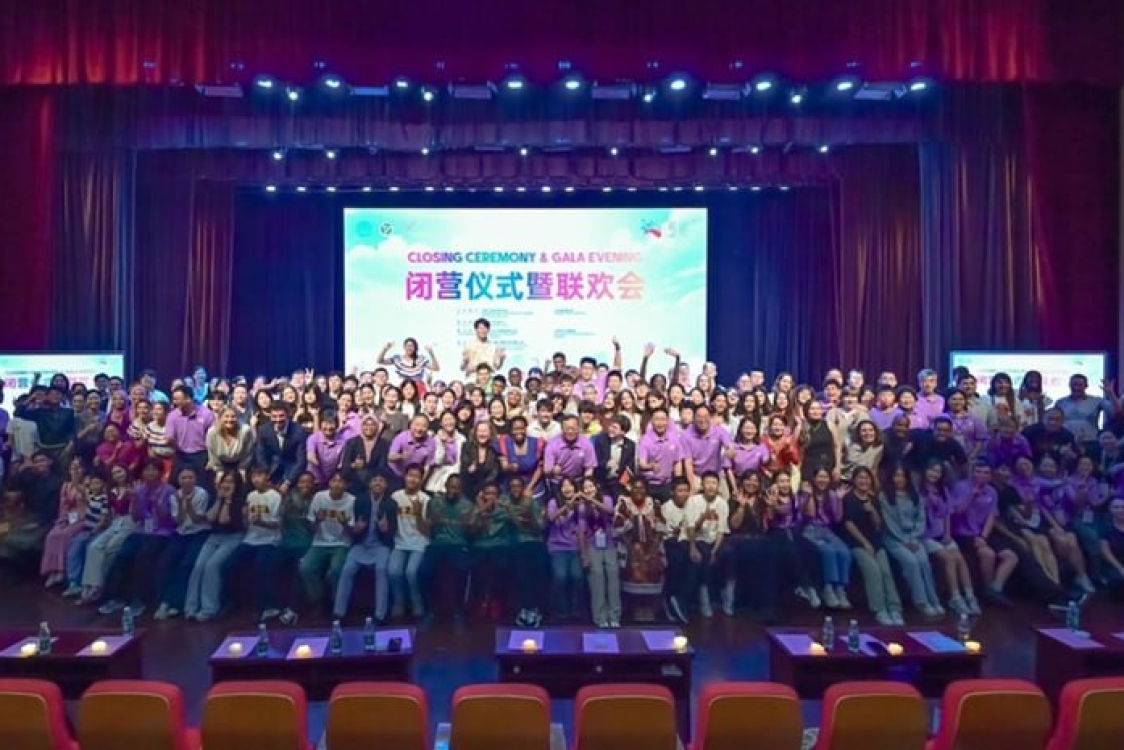
Schoolchildren from Turkmenistan took part in an international camp in Shanghai
25.07.2026From 12 to 22 July, school pupils from the Turkmenistan delegation took part in the 20th Shanghai International Youth Interactive Friendship Camp, held in Shanghai (People’s Republic of China). This was reported by the press office of the Ministry of Education of Turkmenistan. A total of 107 school pupils from 17 countries took part in the event. The camp programme was aimed at promoting cultural exchange, strengthening friendly ties and fostering mutual understanding among young people from different countries. As part of the ‘Mini-Expo’ cultural exhibition, representatives from Turkmenistan presented a national stand featuring exhibits reflecting the country’s historical and cultural heritage. Participants at the event were introduced to examples of national dress, Turkmen carpets, traditions and other elements of the nation’s material and spiritual heritage. During the ten-day programme, the school pupils visited Shanghai’s sights, took part in sessions on traditional Chinese medicine and attended masterclasses on making silk fans in the city of Suzhou. The Turkmen delegation’s participation in the international camp helped to expand educational and cultural ties, as well as to strengthen cooperation between Turkmenistan and the People’s Republic of China in the field of youth policy.
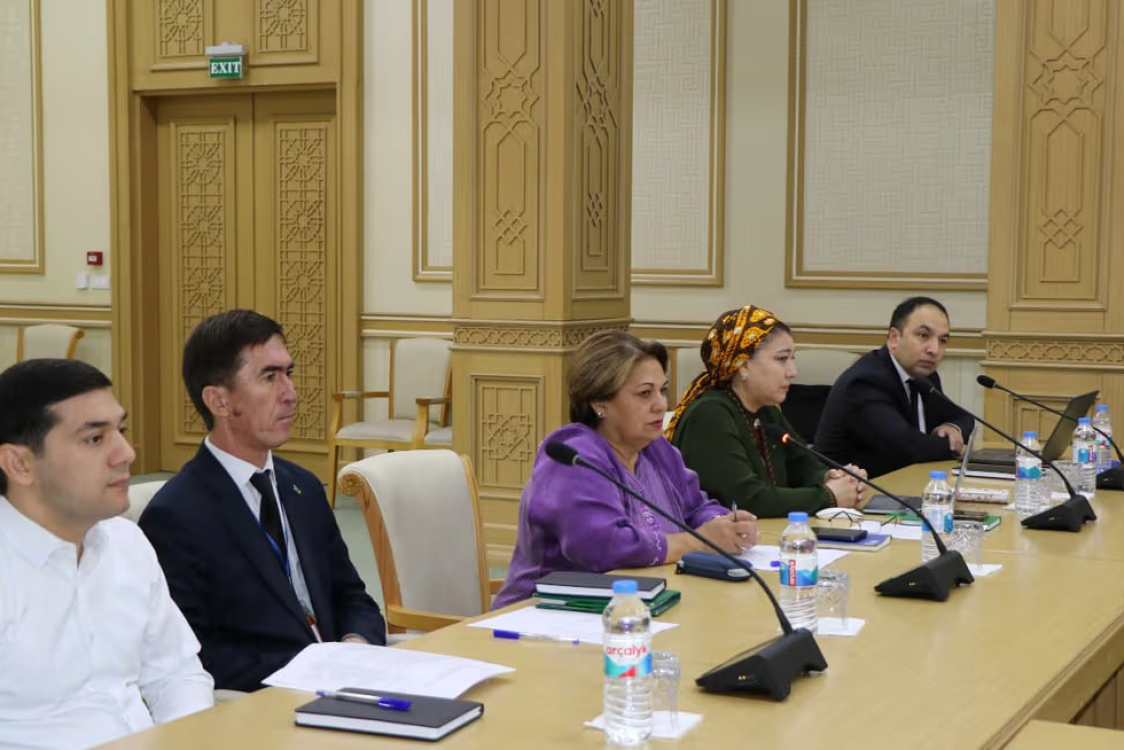
The implementation of the ‘One Health’ approach in Turkmenistan was discussed in Ashgabat
25.07.2026The fifth meeting of the National Intersectoral Coordination Committee on the Implementation of the ‘One Health’ Approach in Turkmenistan, supported by the WHO, took place at the UN building in Ashgabat. This was reported by IIC of Turkmenistan. The meeting was attended by representatives of the country’s relevant ministries and agencies, the Food and Agriculture Organisation of the United Nations (FAO) and the Regional Environmental Centre for Central Asia. Participants reviewed the results of work carried out during the first half of 2026 and identified priority tasks within the framework of the regional project on pandemic prevention and preparedness. The main focus was on developing cross-sectoral cooperation in the field of human, animal and environmental health, as well as raising public awareness of the prevention of zoonotic infections.
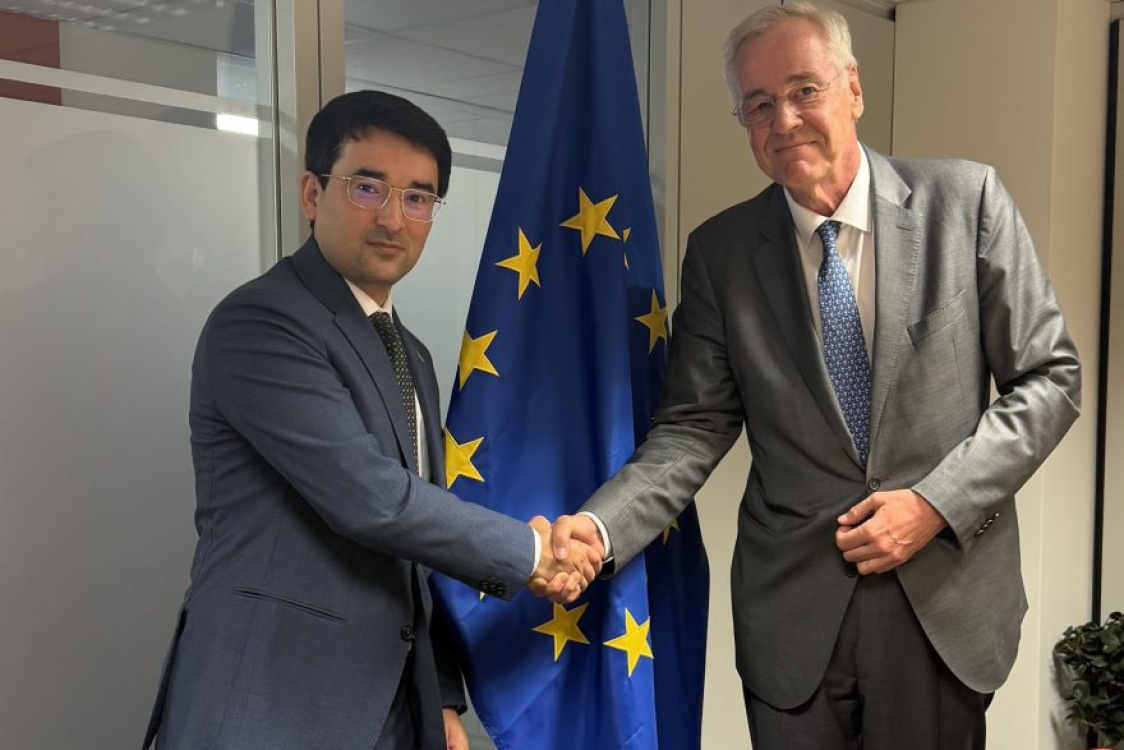
Turkmenistan and the EU discussed the prospects for partnership in the field of migration
25.07.2026Sapar Palvanov, Ambassador of Turkmenistan to Belgium, met with Johannes Luchner, Deputy Director-General of the European Commission’s Directorate-General for Migration and Home Affairs (DG HOME). This was reported by the press office of the Turkmen diplomatic mission. The parties discussed cooperation in the areas of migration, visa policy and the protection of citizens’ rights abroad. The Turkmen side proposed establishing working-level cooperation between the State Migration Service of Turkmenistan, DG HOME and the relevant authorities of EU countries to facilitate the prompt exchange of information. In addition, the negotiation covered EU mechanisms for issuing multiple-entry Schengen visas, as well as Turkmenistan’s consultations with the Benelux countries regarding the abolition of visas for holders of diplomatic and service passports. Issues relating to participation in European programmes to combat human trafficking, within the framework of the National Action Plan of Turkmenistan for 2025–2029, were also raised. Furthermore, the parties discussed the prospects for drafting an Enhanced Partnership and Cooperation Agreement between Turkmenistan and the EU. The European Commission representative confirmed DG HOME’s readiness to provide expert advice and exchange information with the Turkmen side.
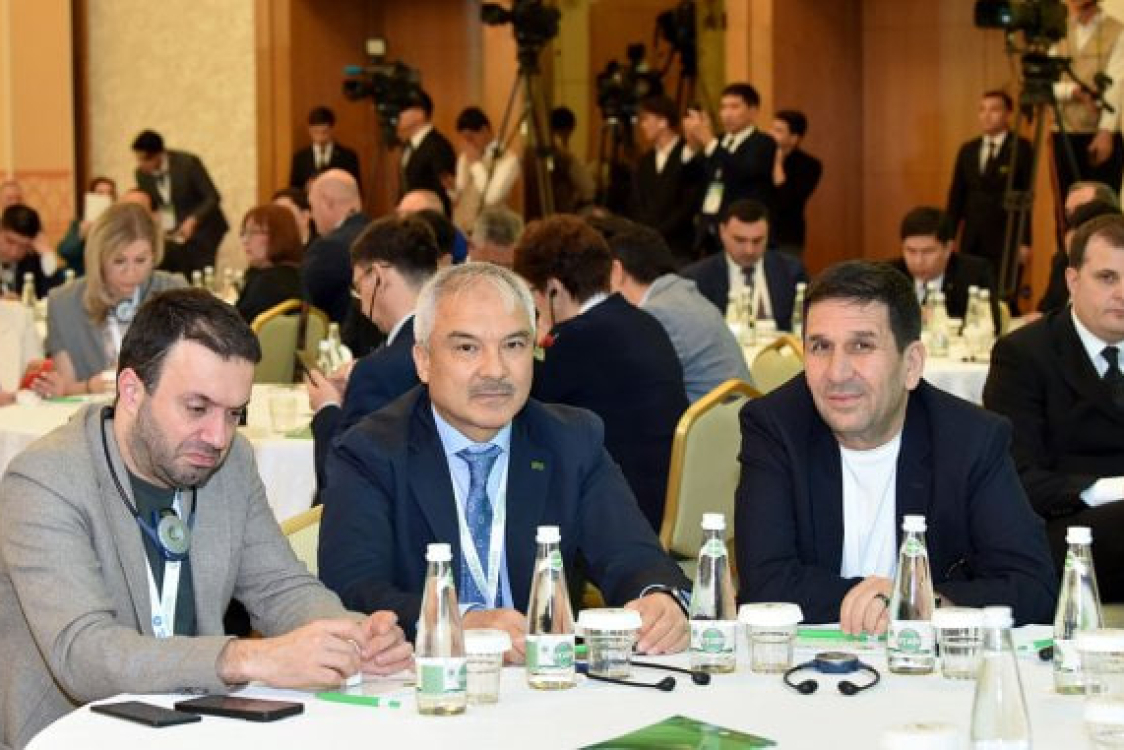
Turkmen businesses are expanding their involvement in key sectors of the economy
25.07.2026Measures are being implemented in Turkmenistan to diversify the economy, develop high value-added production, promote digitalisation and support national businesses. This is reported by the online news site AsmanNews. The development of private enterprise remains one of the priorities of state policy. Preferential lending, tax incentives and a business-friendly policy are helping to expand the private sector’s participation in various sectors of the economy. Private enterprises are actively developing in the agro-industrial sector, the food industry, the production of building materials, logistics and the transport sector. Their activities help to create new jobs, increase household incomes and strengthen market mechanisms. Products labelled ‘Made in Turkmenistan’ are strengthening their position in both domestic and foreign markets. The competitiveness of domestic goods is ensured by the introduction of modern technologies, improvements in production quality and compliance with international standards. The main export sectors for the private sector are textiles, foodstuffs and building materials. At the same time, import substitution is developing: local producers supply the domestic market with meat, dairy and fruit and vegetable products, poultry products, as well as building materials, paints and varnishes, plastic products and pipes. One example of public-private partnership has been the development of production of motor and industrial oils, as well as products resulting from the deep processing of hydrocarbon raw materials. In accordance with the Constitution of Turkmenistan, the country’s economy is developed on the basis of market principles, whilst the state provides support for small and medium-sized enterprises. Systematic measures to promote business development, innovation and digitalisation are helping to strengthen the country’s economic potential and expand its export opportunities.
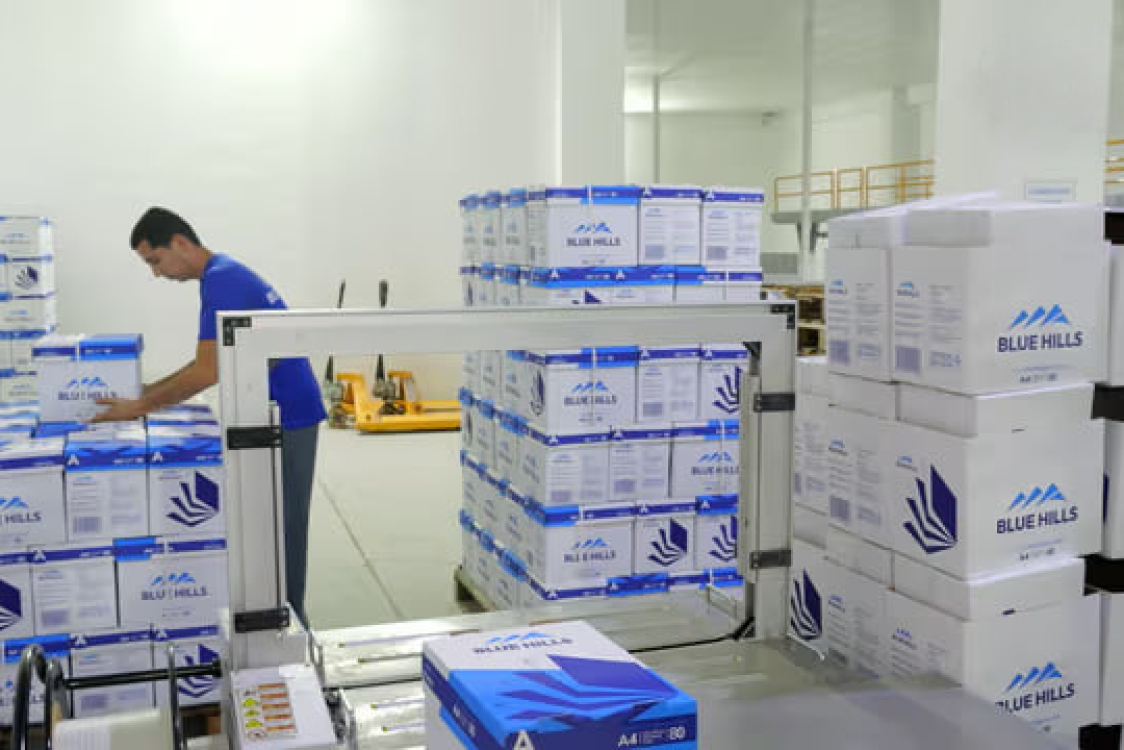
A company in the Ahal velayat has doubled its paper production and is expanding its exports
25.07.2026A company in the Gokdepe etrap of the Ahal velayat has increased its paper production and is expanding its exports. Ahead of the new academic year, a large consignment of products is being sent to Uzbekistan for the production of school textbooks, exercise books and art books. This was reported by the IIC of Turkmenistan. By the start of the academic year, the factory had doubled its output: monthly production rose from 600 to 1,200 tonnes. In August, 135 tonnes of offset paper will be delivered to Uzbekistan. Shipments are also being prepared for Tajikistan (68 tonnes) and Iran (275 tonnes), as well as the first consignment to Kazakhstan comprising 48,000 sheets of A4 paper. The plant, which commenced operations in June 2025, produces A4 and A3 office paper, as well as offset paper of various grammages. The plant’s design capacity is 14,400 tonnes of product per year. Exports currently cover six countries: Uzbekistan, Tajikistan, Iran, Azerbaijan, Pakistan and Armenia. Plans are in place to enter the markets of Kyrgyzstan and Georgia. The production process utilises pulp sourced from overseas suppliers in Portugal, Brazil, Austria, Spain and Turkey, which meets international quality standards. The company has strengthened its control over production processes – from raw material inspection to the assessment of finished products. Optimisation of equipment operation has enabled an increase in output without compromising quality. Deliveries are made by road and rail. Delivery of products to Uzbekistan, including customs clearance, takes around a week. The company plans to further expand its production capacity and develop new export markets.
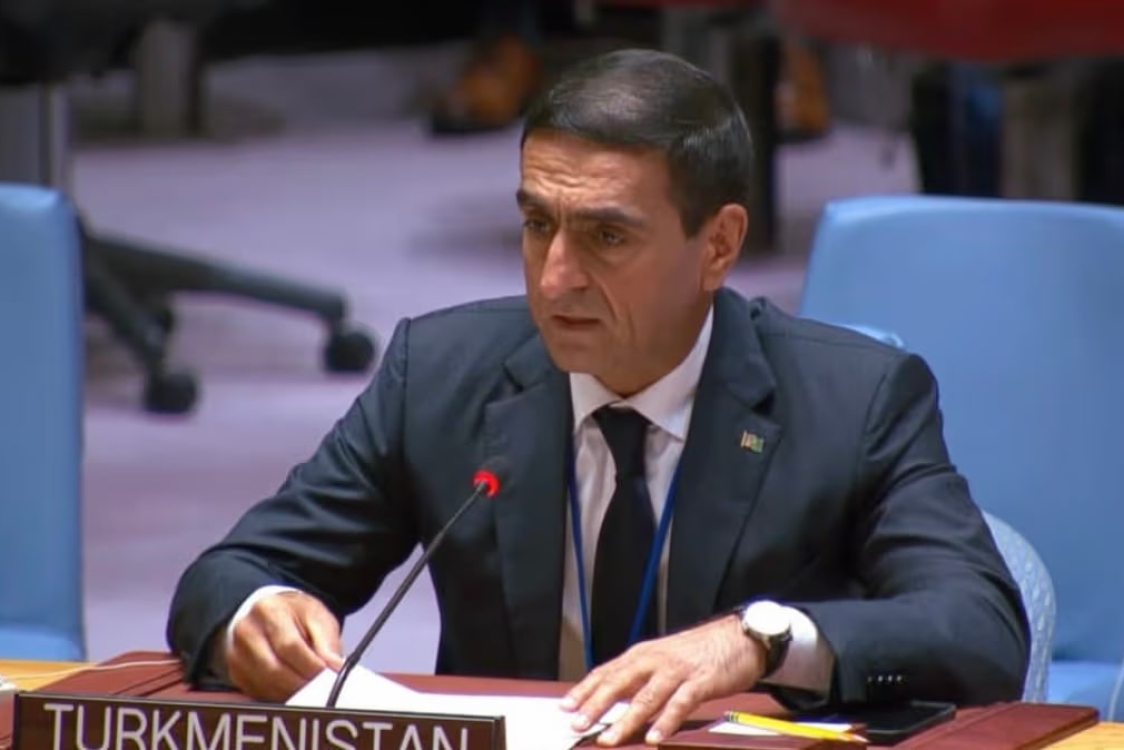
Turkmenistan presented its approaches to resource management to the UN Security Council
25.07.2026On 22 July 2026, Vepa Hajiyev, Turkmenistan’s Permanent Representative to the UN, addressed the open debate of the UN Security Council on ‘Maintenance of International Peace and Security: Managing Natural Resources for Peace, Security and Prosperity’. This was reported by the press service of the Foreign Affairs Ministry of Turkmenistan. The diplomat affirmed his country’s commitment to the equitable and mutually beneficial use of resources to strengthen global security. Vepa Hajiyev also noted that Ashgabat’s international initiatives in the fields of preventive diplomacy, the environment, energy and transport are enshrined in 32 UN General Assembly resolutions. Furthermore, the country’s representative reaffirmed Turkmenistan’s commitment to international cooperation in the context of its candidacy for a non-permanent seat on the UN Security Council for the period 2031–2032. This commitment had previously been endorsed by the Presidium of the Halk Maslahaty of Turkmenistan.
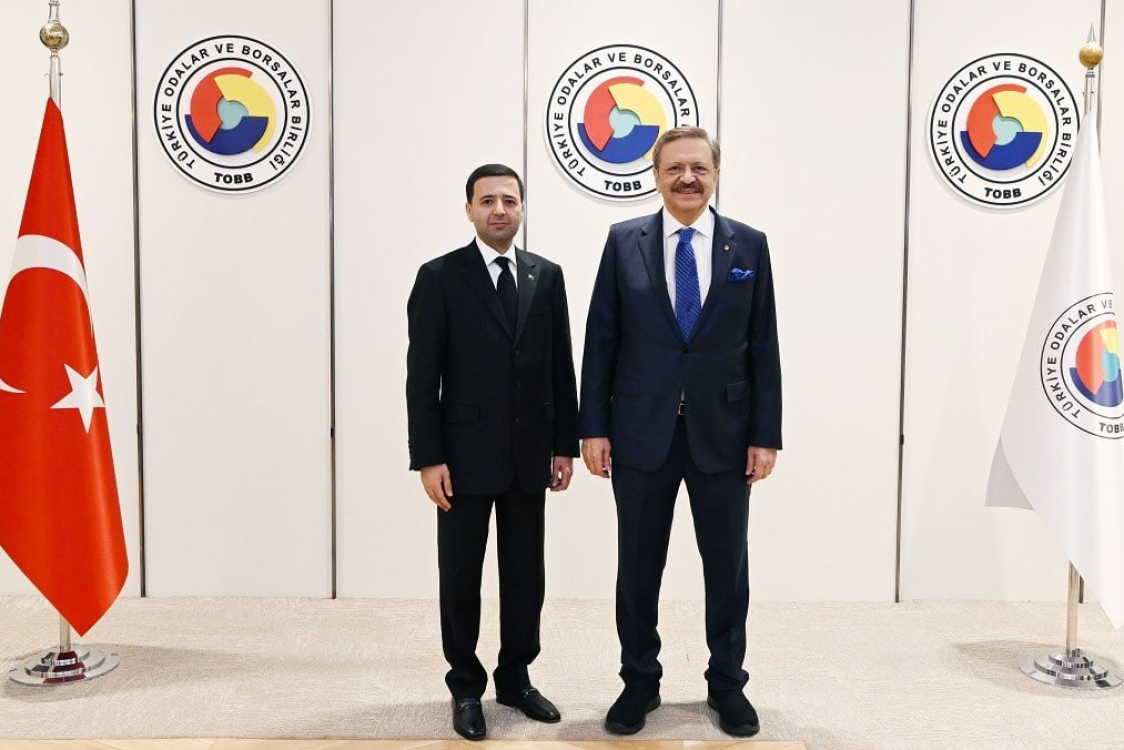
Turkmenistan is studying Turkey’s experience in the digitalisation of stock market trading
25.07.2026Negotiations were held in Ankara between the leadership of the State Commodity and Raw Materials Exchange of Turkmenistan and the Union of Chambers and Commodity Exchanges of Turkey (TOBB). This was reported by the Orient news agency. The parties discussed expanding trade cooperation, developing exchange and interbank links, and creating conditions to foster direct contacts between entrepreneurs from both countries. The Head of TOBB, Mustafa Rifat Hisarcıklıoğlu, confirmed his willingness to support the integration of trading platforms and the exchange of expertise in the digitalisation of exchange trading. During the visit, the Turkmen delegation also familiarised themselves with the work of the Turkish Commodity Exchange (TÜRİB) and its digital systems.

The Turkmenistan National Youth Orchestra is set to make its debut at ‘Young Euro Classic’
25.07.2026The Turkmenistan National Youth Symphony Orchestra, conducted by Maestro Rasul Klychev, is set to perform at the ‘Young Euro Classic’ festival in Berlin. This was reported by the news agency Orient. The orchestra’s concert will take place on 9 August at the renowned Konzerthaus Berlin. The programme will feature outstanding works of Turkmen classical music, including compositions by Chary Nurymov, Veli Muhatov and Nury Halmamedov — composers whose work holds a special place in the nation’s cultural heritage. Two German premieres will be the highlights of the evening. The Turkmen orchestra will present works by contemporary composers Aidan Gold and Pierre Thilloy to a German audience for the first time. The performance by the National Youth Symphony Orchestra will form an important part of the international cultural dialogue and will enable European audiences to discover the distinctiveness and richness of Turkmenistan’s musical tradition.
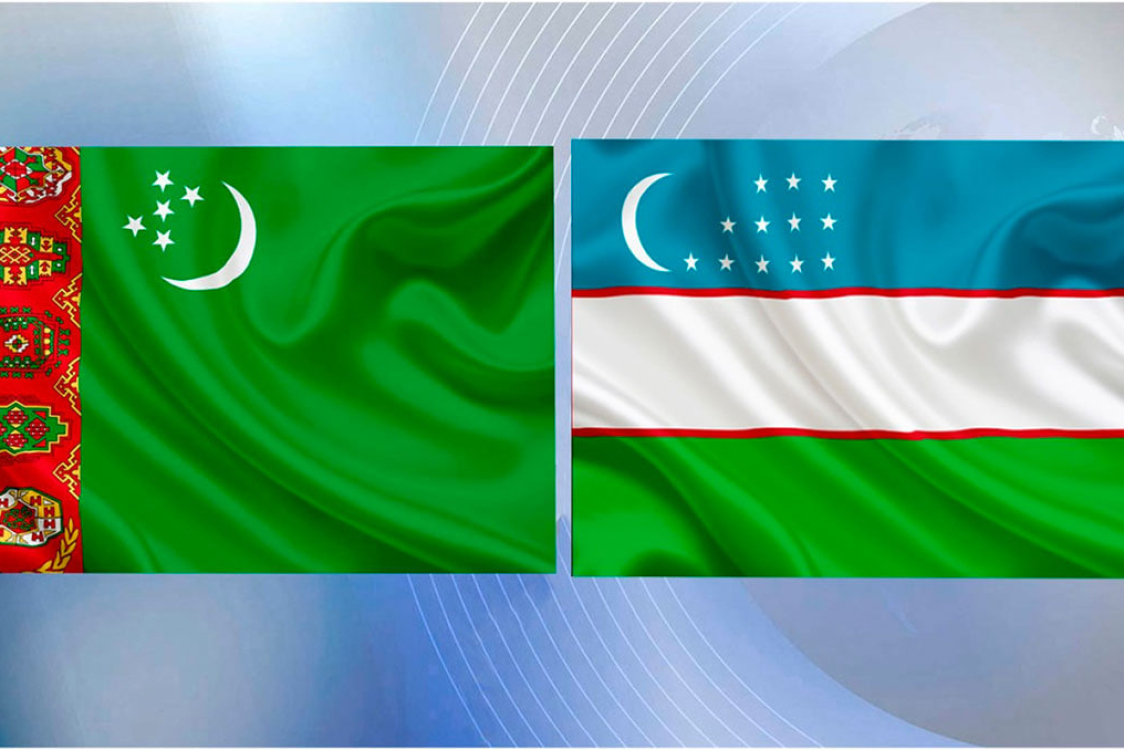
Gurbanguly Berdimuhamedov held a telephone conversation with Shavkat Mirziyoyev
25.07.2026On 24 July, the National Leader of the Turkmen people and Chairman of the Halk Maslahaty of Turkmenistan, Gurbanguly Berdimuhamedov, held a telephone conversation with the President of the Republic of Uzbekistan, Shavkat Mirziyoyev. This was reported by the TDH news agency. Gurbanguly Berdimuhamedov congratulated the Uzbek leader on his birthday, wishing him good health, well-being and success in his state duties. The National Leader of the Turkmen people also conveyed birthday greetings from the President of Turkmenistan, Serdar Berdimuhamedov. Shavkat Mirziyoyev expressed his gratitude for the congratulations and noted the high level of Turkmen-Uzbek cooperation, based on friendship, trust and mutual understanding. The President of Uzbekistan also asked that warm wishes be conveyed to President Serdar Berdimuhamedov. During the conversation, Gurbanguly Berdimuhamedov highlighted the achievements of the state policy pursued by the President of Uzbekistan and wished him further success in implementing his plans.
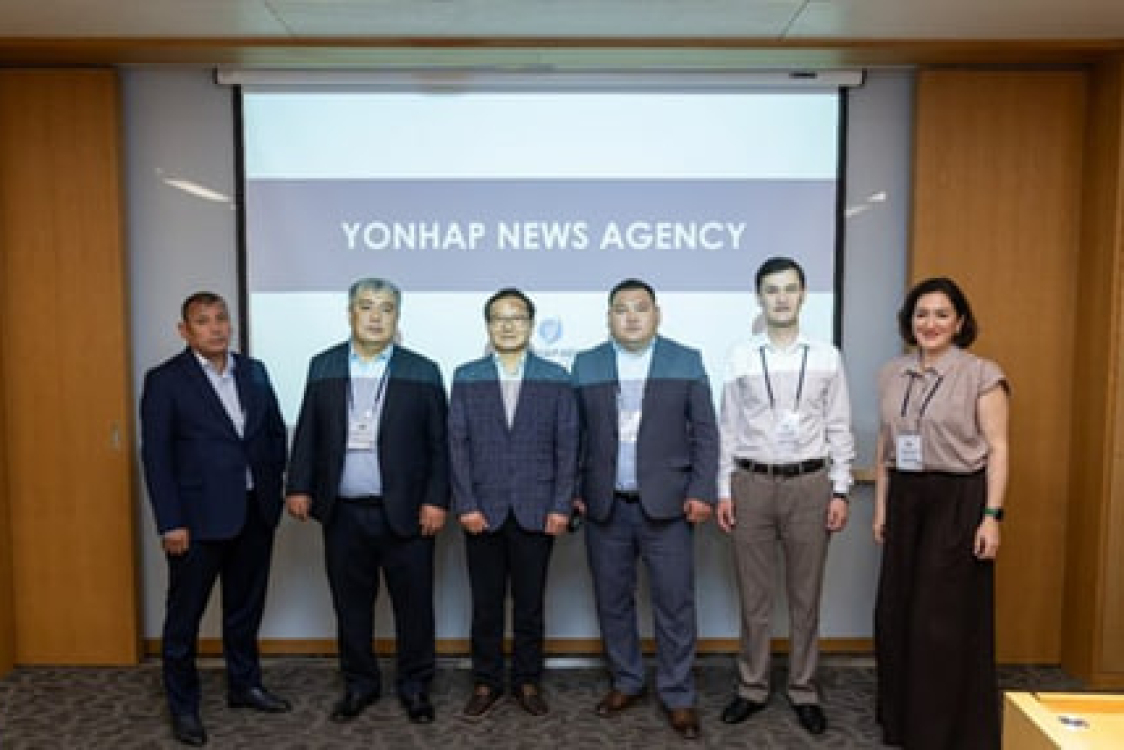
The Yonhap News Agency has expressed an interest in partnering with Turkmenistan
25.07.2026Park Seong-jae, Head of the South Korean news agency Yonhap, has expressed an interest in establishing cooperation with the International Information Centre of Turkmenistan and signing a Memorandum of Understanding. This was reported by the IIC of Turkmenistan. This announcement was made in Seoul during a meeting with a delegation of journalists from Central Asian countries, who had arrived as part of a special programme ahead of the ‘Central Asia–Republic of Korea’ summit. During the meeting, the parties discussed the prospects for developing bilateral relations. The head of Yonhap noted the importance of expanding the exchange of information with the Turkmen media and emphasised that the signing of the agreement could be the next step in strengthening the partnership. Cooperation with one of South Korea’s largest media groups is seen as an opportunity to expand the presence of Turkmen media in the international information sphere.
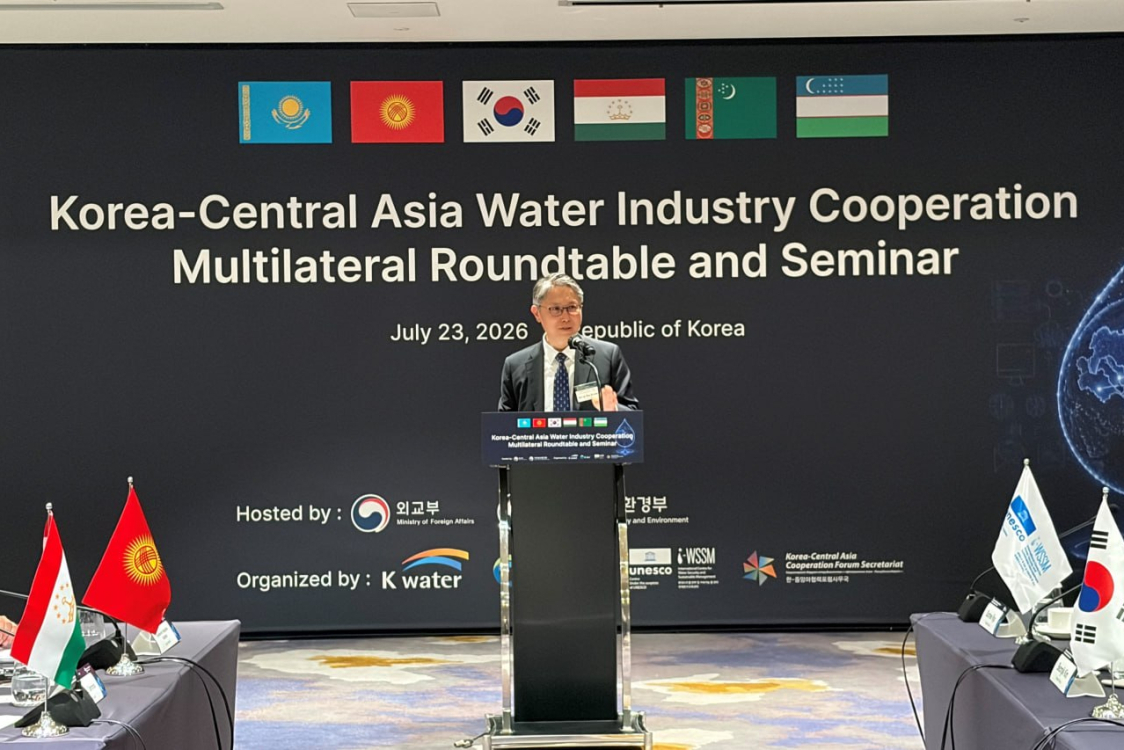
Seoul has presented Ashgabat with digital solutions for water resource management
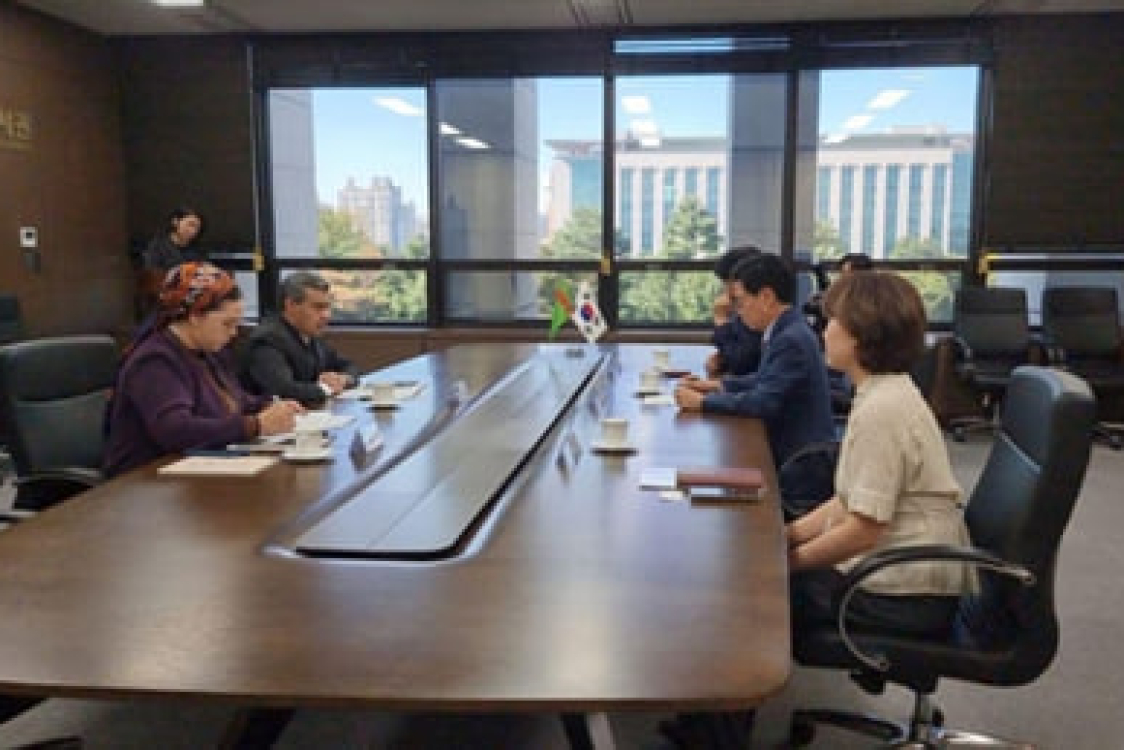
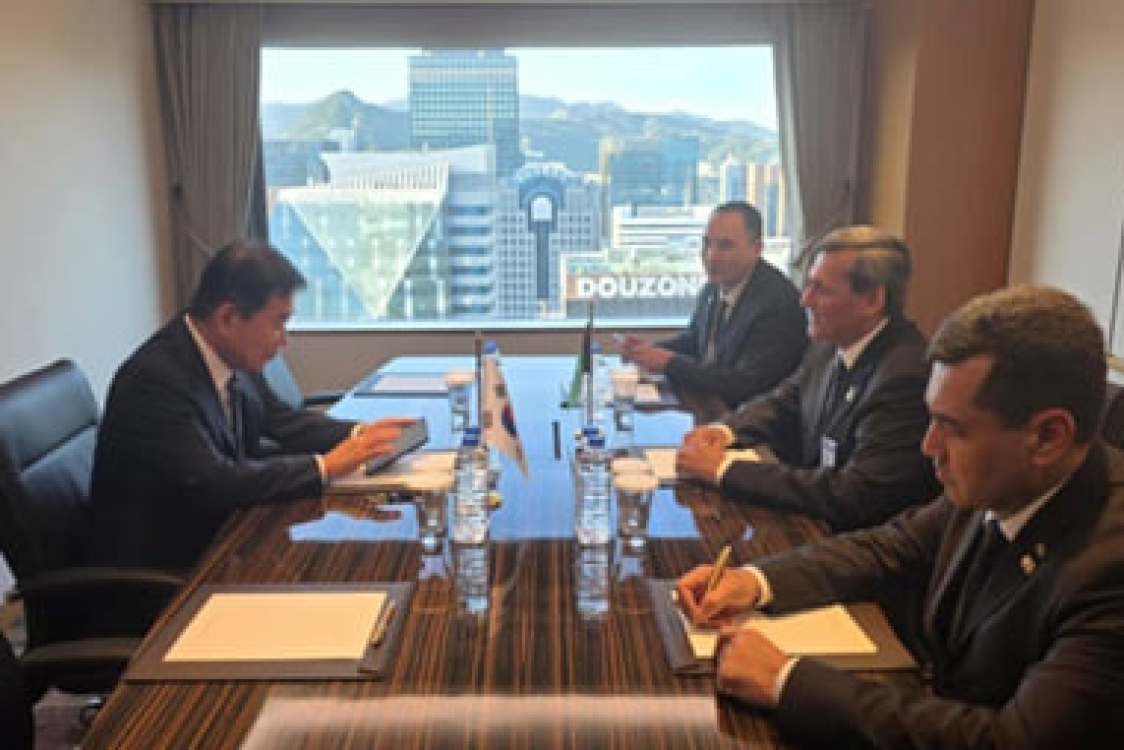
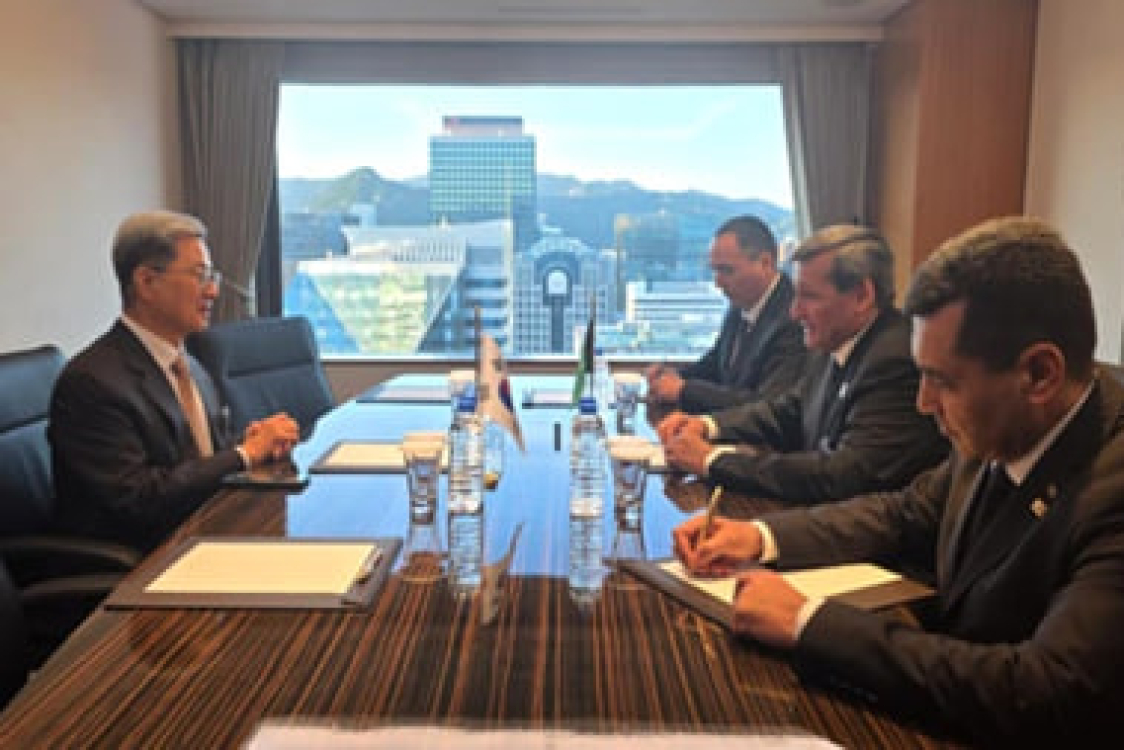
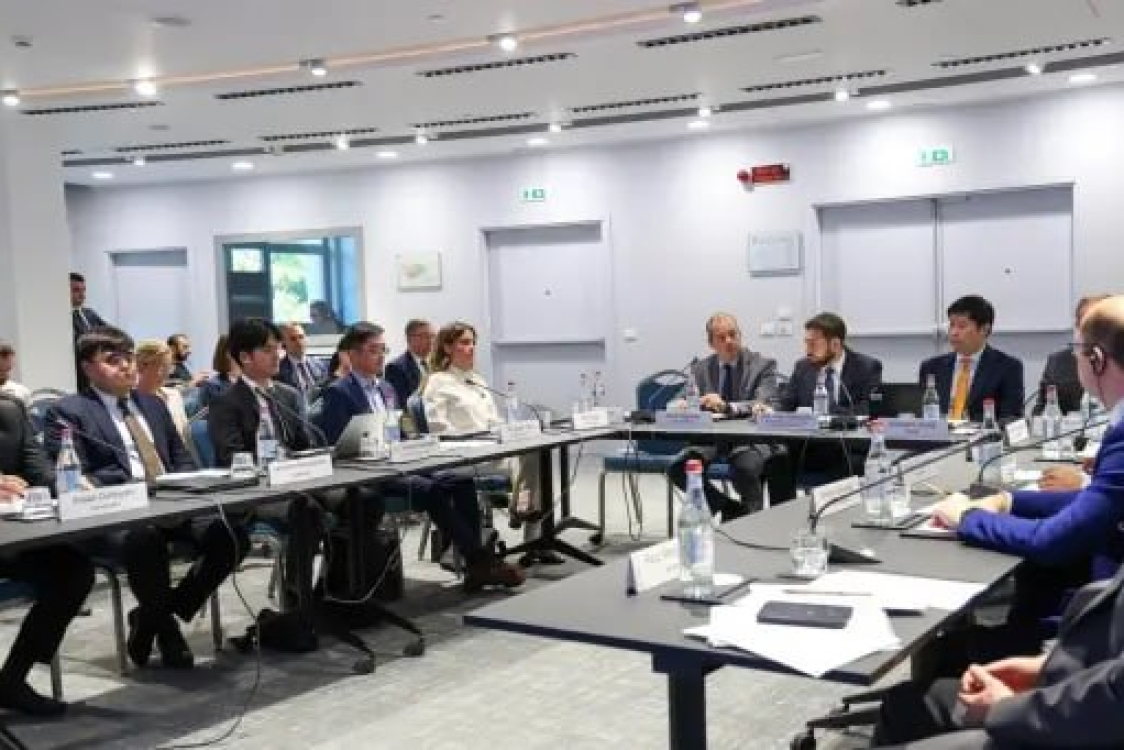
25.07.2026An inter-ministerial visit by a Turkmenistan government delegation to Seoul, focused on developing cooperation with the Republic of Korea in the field of water management, has come to an end. This was reported by the Orient news agency. The main focus was on the introduction of South Korean digital technologies into Turkmenistan’s water resource management and preparations for the ‘Central Asia–Republic of Korea’ Summit in September. The Turkmen delegation familiarised itself with the operations of ‘K-water’ facilities, the modern Hwason water treatment plant and the hydraulic infrastructure of the Gyeongin-Ara Canal, and also examined solutions offered by South Korean companies in the fields of digital monitoring, water loss reduction and automated filtration. The visit took place in parallel with a multilateral meeting on cooperation in the water sector between Korea and the countries of Central Asia. Following the negotiations, the parties confirmed their intention to move towards the implementation of joint projects, including the supply of high-tech equipment and the construction of facilities. The cooperation between Ashgabat and Seoul, launched as part of a public-private partnership, lays the foundation for new investment and environmental initiatives.
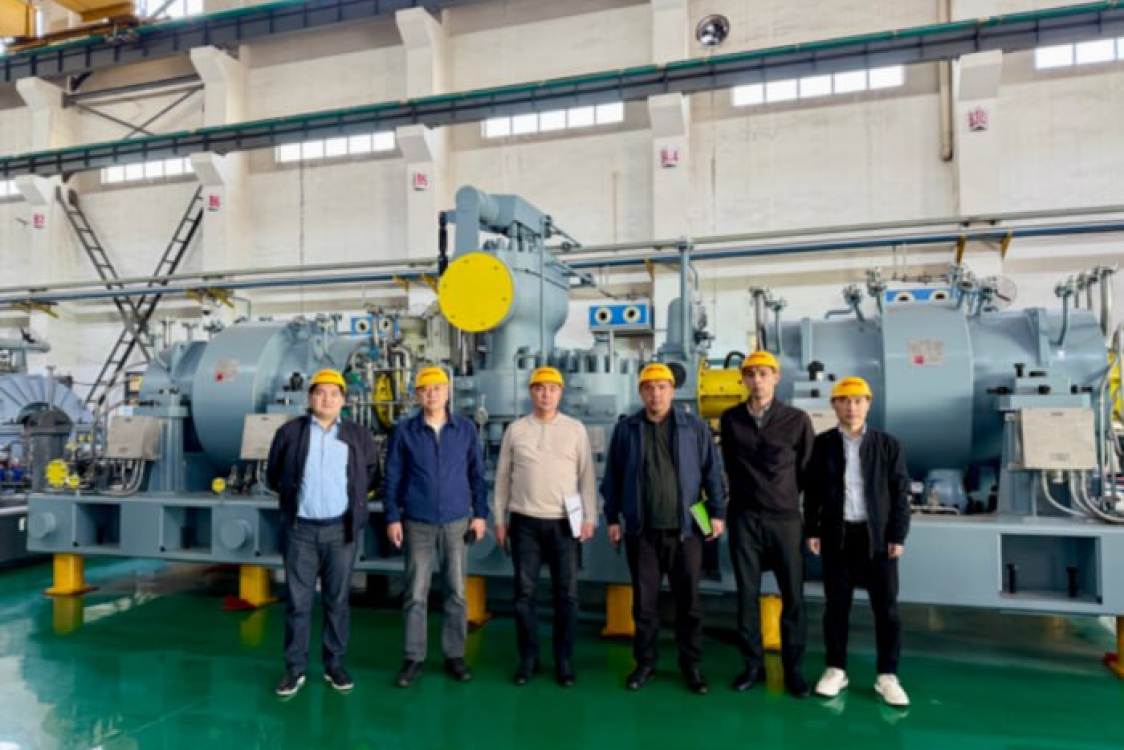
‘NEW JCM’ is to carry out maintenance on gas turbines in Turkmenistan
25.07.2026The Chinese company ‘NEW JCM’ has signed a contract with the State Concern ‘Türkmengaz’ for the maintenance of eight ‘DG-90L2’ gas turbines. This was reported by the online publication ‘Business Turkmenistan’. The work will be carried out at two compressor stations operated by ‘Daşoguzgazakdyryş’. The contract, awarded following an international tender, provides for the restoration of the turbines’ operational performance. To take part in the project, ‘NEW JCM’s specialists developed a bespoke technical solution, whilst representatives of the State Concern ‘Türkmengaz’ visited the company’s production facilities in China. ‘NEW JCM’ noted that the agreement strengthens the company’s position in the Central Asian market. At the same time, the company has secured a contract to service a 15 MW gas turbine in Kazakhstan and is continuing to develop its gas turbine maintenance services.
Read also
Advertising

 Read us in Zen


