

News
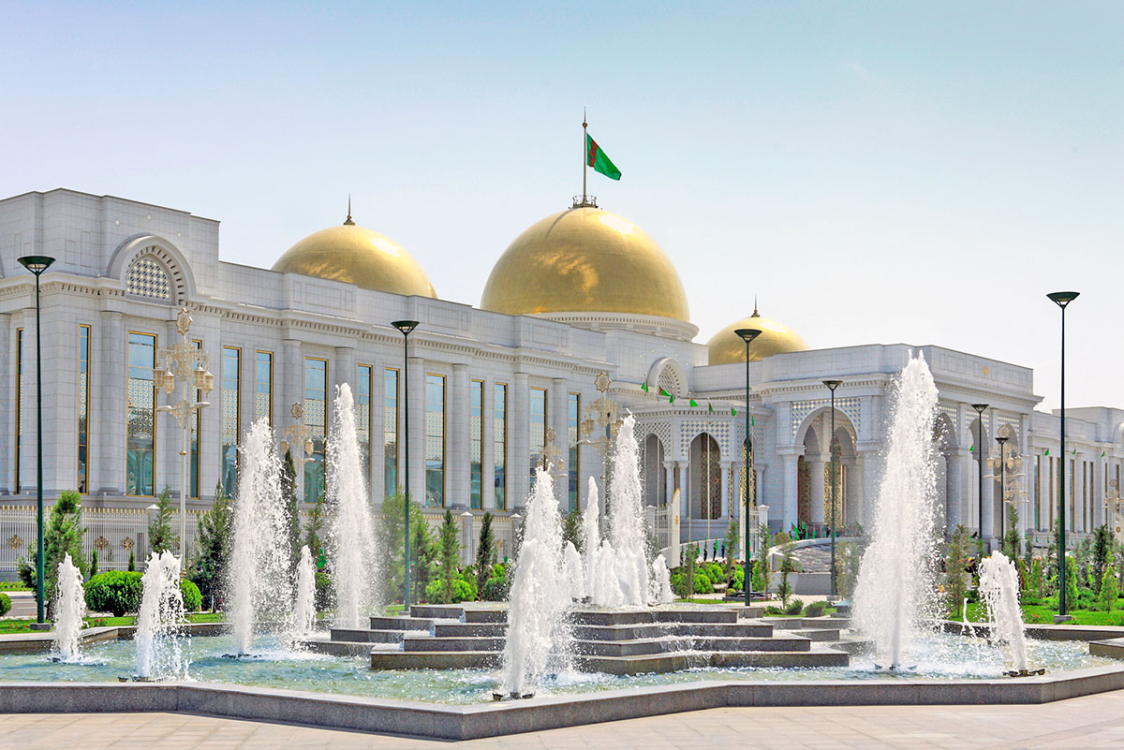
Serdar Berdimuhamedov congratulated the new President of Bangladesh
25.08.2026The President of Turkmenistan, Serdar Berdimuhamedov, has congratulated Mirza Fakhrul Islam Alamgir on his election as President of the People’s Republic of Bangladesh. This was reported by the online news site AsmanNews. The Head of Turkmenistan wished him good health, strength, energy and success in his efforts to promote the progress and prosperity of the people of Bangladesh.
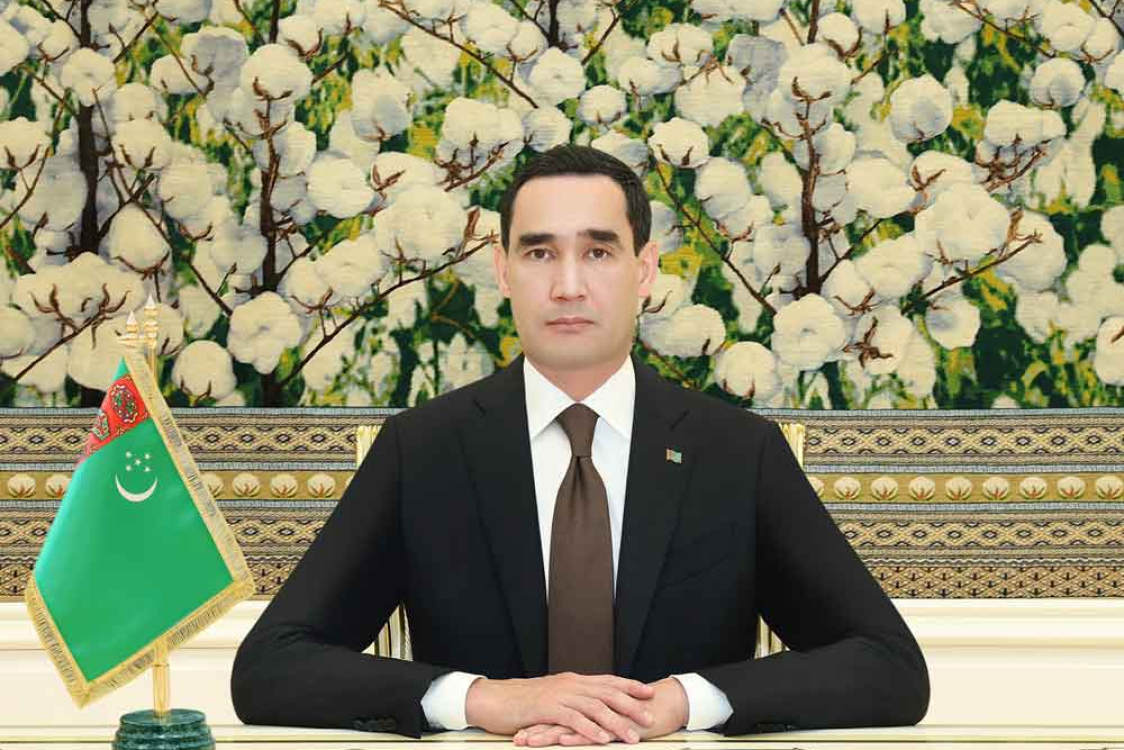
The President of Turkmenistan received the newly appointed German Ambassador
25.08.2026On 24 August, the President of Turkmenistan, Serdar Berdimuhamedov, received Petra Dachtler, the newly appointed Ambassador Extraordinary and Plenipotentiary of the Federal Republic of Germany to Turkmenistan. The German Ambassador presented her credentials to the Head of State, according to the news agency TDH. During the meeting, Petra Dachtler conveyed greetings to the President of Turkmenistan from Federal President Frank-Walter Steinmeier and Federal Chancellor Friedrich Merz, and noted that it was a great honour for her to represent Germany in Turkmenistan. The President of Turkmenistan congratulated the Ambassador on her appointment and wished her every success in her work to further strengthen bilateral relations. The parties discussed the prospects for developing cooperation. It was noted that Germany is one of Turkmenistan’s leading partners among the countries of the European Union. Bilateral cooperation is developing in the political, economic, medical, educational and cultural-humanitarian spheres. Particular attention was paid to cooperation within the ‘Central Asia–Germany’ framework, the expansion of trade and economic ties, and the development of transport connectivity. The role of the Turkmen-German Working Group on Trade and Economic Cooperation and the German Eastern Business Association was also highlighted. Cooperation in the healthcare sector was singled out, including the exchange of expertise between German and Turkmen specialists, the professional development of medical staff and the study of European practices. Educational cooperation is also aimed at staff training and the exchange of knowledge and experience. In conclusion, Petra Dachtler gave her assurance that she would promote the further development of German-Turkmen cooperation across all areas.
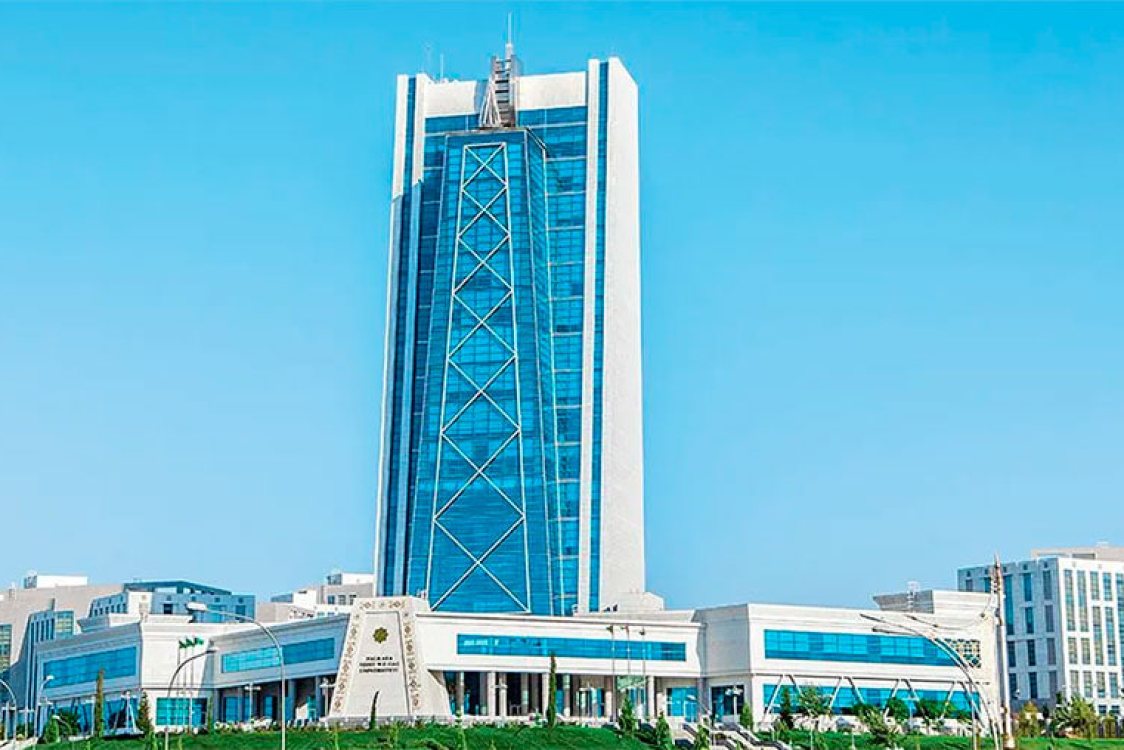
A new Master’s programme has been launched at Turkmenistan’s oil and gas university
25.08.2026The Yagshygeldi Kakayev International University of Oil and Gas has launched a new Master’s programme in ‘Economics and Management of the Oil and Gas Industry’. The programme will commence in the 2026–2027 academic year, according to the press office of the Ministry of Education of Turkmenistan. The programme has been developed taking into account the current requirements of the oil and gas sector and the outcomes of international Erasmus+ educational projects. It is based, in particular, on the ESGCA and GDCAU projects, which focus on ESG, sustainable development and the ‘green’ transition. The programme includes two specialisations: ‘Economics and Management of the Oil and Gas Industry (ESG Strategies)’ and ‘Economics and Management of the Oil and Gas Industry (Sustainable Development of the Oil and Gas Industry)’. The first specialisation trains specialists in the fields of ESG strategies, the assessment of environmental and social risks, corporate governance and sustainable finance. The second specialisation focuses on the rational use of resources, reducing environmental impact, energy efficiency and the development of the ‘green’ economy. The new programme is the practical outcome of the university’s international cooperation under the Erasmus+ programme and aims to train specialists in the economics and management of the oil and gas industry with expertise in ESG and sustainable development.
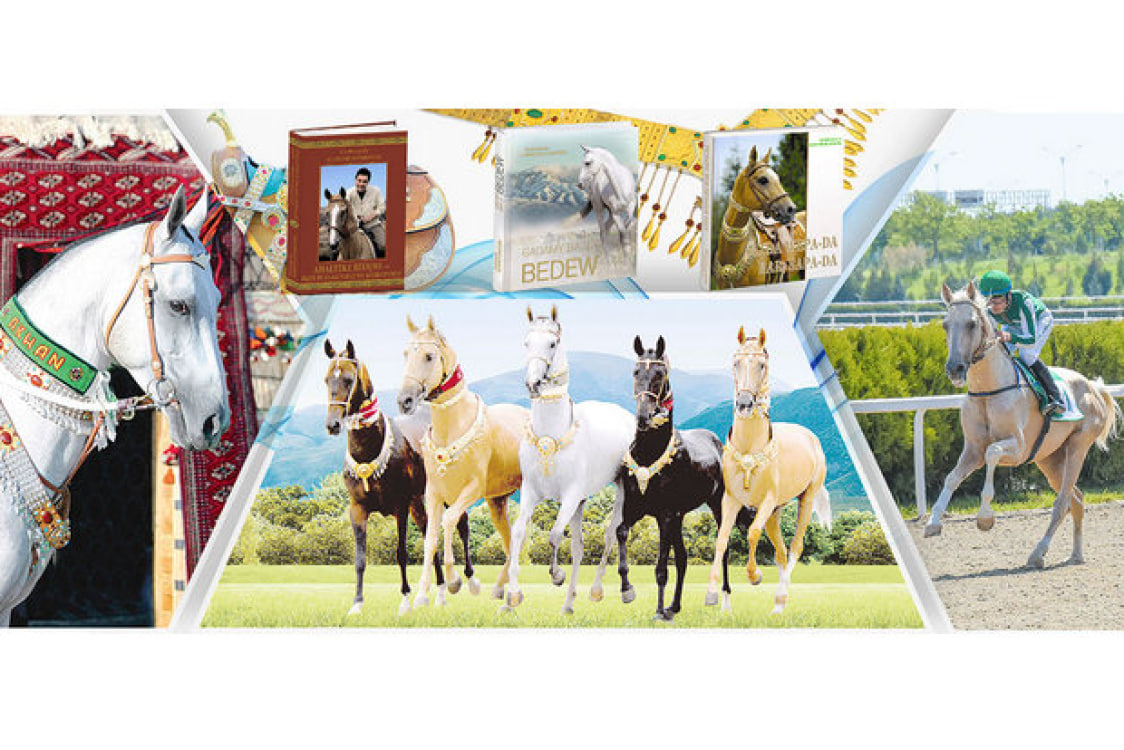
Ahal-Teke racehorses will take centre stage at the World Championships in the Netherlands
25.08.2026The World Championships in dressage and show jumping, as well as the International Ahal-Teke Horse Beauty Contest, will take place in the Netherlands from 4 to 6 September 2026. The event will be held at the Peelbergen International Equestrian Centre in Kronenberg, according to the news agency Orient. Information about the championships is being disseminated by Turkmenistan’s diplomatic missions in Europe, the United States, South Korea and India. Breeders, scientists, experts and connoisseurs of the Ahal-Teke breed from Europe, Asia, the Middle East and the United States are expected to attend. The event is organised by the State Association ‘Türkmen Atlary’, the European Association for Ahal-Teke Horse Breeding (ATHA) and the All-Russian Scientific Research Institute of Horse Breeding. On 4 September, the championship will open and the qualifying rounds will take place. Judges will assess the young horses on their conformation, movement and breed characteristics. Dressage competitions will also begin. On 5 September, there will be a show ring for adult stallions and mares, as well as an open conference of the International Ahal-Teke Horse Breeding Association. Participants will discuss issues relating to genetic purity and the preservation of the breed. On 6 September, the final sporting trials will take place, followed by the announcement of the championship results. As part of the event, there will be an exhibition of Turkmenistan’s cultural heritage, featuring carpets, jewellery, horse harnesses and works of art. The ‘Galkynyş’ national equestrian games troupe will also perform for the European audience, showcasing the traditions of Turkmen horse riding and show jumping.
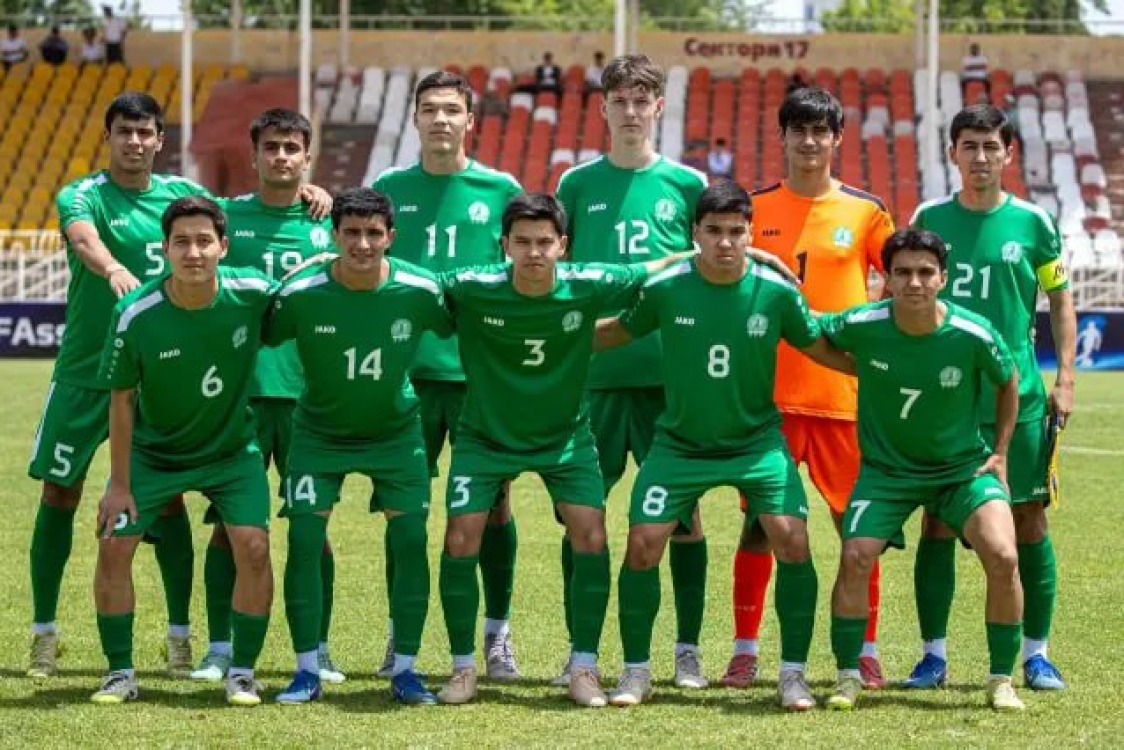
The Turkmenistan U-20 football team have travelled to Thailand for a training camp
25.08.2026The Turkmenistan U-20 national football team, led by head coach Didar Hajiyev, has begun preparations for the 2027 AFC Asian Cup qualifiers. The team is holding a training camp in Thailand, according to the news website Turkmenportal. The qualifying tournament kicks off on 31 August. In the qualifying stage, the 31 teams are divided into eight groups: the group winners, as well as the seven best runners-up, will qualify for the finals. Thus, 15 teams will share places in the finals with the tournament hosts, the Chinese national team. Turkmenistan will compete in Group F alongside Iraq, Thailand and the UAE. The matches will take place in Chonburi (Thailand): 31 August – Iraq vs Turkmenistan, 13:30 3 September – Turkmenistan vs Thailand, 17:30 6 September – UAE vs Turkmenistan, 13:30 The Turkmenistan Under-20s played their last friendly in May 2026 at the Central Asian Football Association (CAFA-2026) Under-20 tournament, hosted by Tajikistan. The Turkmen players beat Afghanistan 3–1 but lost to Tajikistan 1–2, Kyrgyzstan 1–2 and Uzbekistan 0–2, finishing fourth overall. The final stage of the 2027 AFC U-20 Asian Cup will take place in the Chinese city of Hangzhou from 24 March to 10 April.
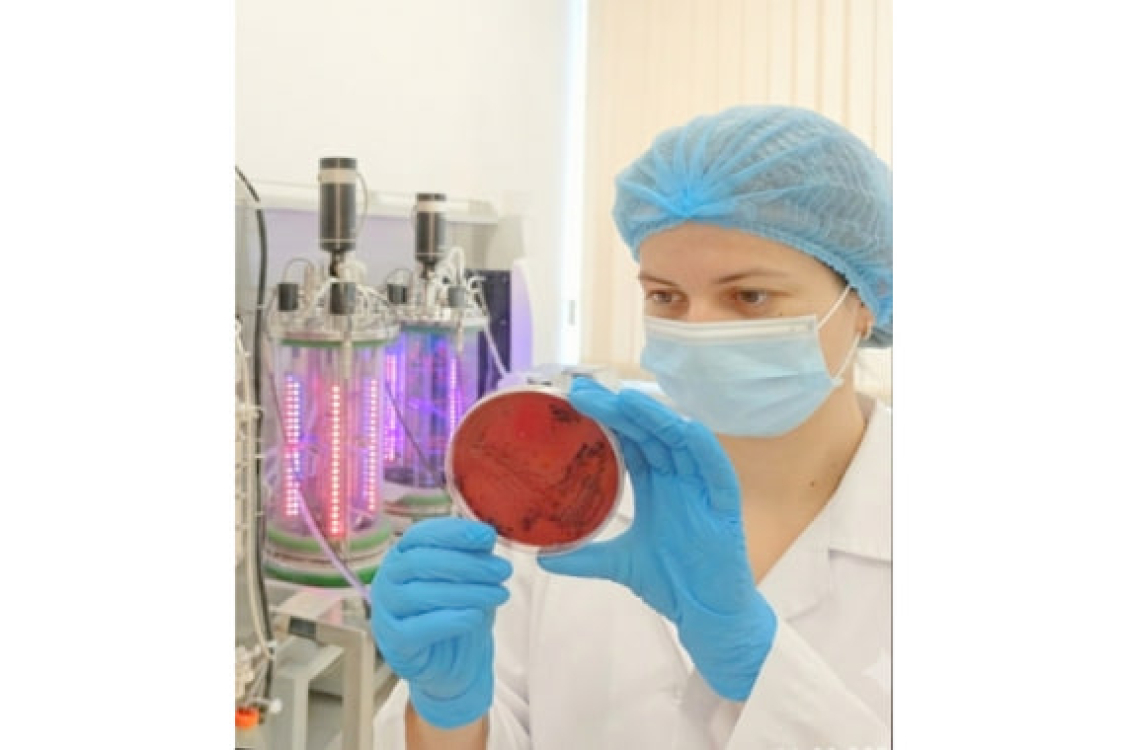
Turkmen scientists have developed a biological agent to neutralise methane
25.08.2026Specialists at the International Science and Technology Park of the Academy of Sciences of Turkmenistan have completed the development of a new-generation biological agent capable of neutralising methane emissions in the soil. The work was led by Corresponding Member and Doctor of Chemical Sciences Durdymyrat Gadamov and Head of the Biotechnology Laboratory Altyn Rahmanova, reports the ‘Turkmenistan: Golden age’ news agency. The preparation is based on natural mechanisms. The scientists used indigenous strains of methane-oxidising bacteria adapted to regional climatic conditions. The bacteria contain the enzyme methane monooxygenase, which converts methane into carbon dioxide and water. For ease of use, the live microbial cultures were combined with readily available local materials to form a protective microenvironment. Methane is considered one of the key drivers of global warming: its short-term impact on the atmosphere is tens of times greater than that of carbon dioxide. Excessive accumulation of this gas destroys ecosystems and poses risks to human health. The advantages of this development include high efficiency in the local neutralisation of methane in areas of industrial activity, cost-effectiveness and independence from imported alternatives through the use of local raw materials, as well as environmental safety and non-toxicity to humans, animals and the environment. This development represents a practical step towards implementing Turkmenistan’s environmental strategy. The country has officially joined the Global Methane Pledge and is implementing environmental control standards in the energy sector.
Young professionals from Turkmenistan can receive scholarships in Switzerland
25.08.2026The Swiss Government has announced that applications are now being accepted for the state scholarship programme for the 2027–2028 academic year. This was reported by the IIC of Turkmenistan. Young professionals from Turkmenistan may apply for grants to carry out research and pursue doctoral studies at leading universities and research institutes in Switzerland. Applicants must hold a master’s degree or an equivalent qualification and must have been born after 31 December 1991. Applicants must also submit a pre-approved research plan and a letter of support from a Swiss academic supervisor. The programme provides a monthly stipend, health insurance, and partial reimbursement of accommodation and travel costs. Research placements last between 6 and 12 months. Doctoral scholarships are awarded for one year, with the possibility of renewal. Applications must be submitted electronically by 27 November 2026. Enquiries regarding participation by citizens of Turkmenistan should be directed to the Swiss Embassy in Baku, and detailed conditions are available on the programme’s official website.
The winners of the mental arithmetic championship have been announced in Turkmenistan
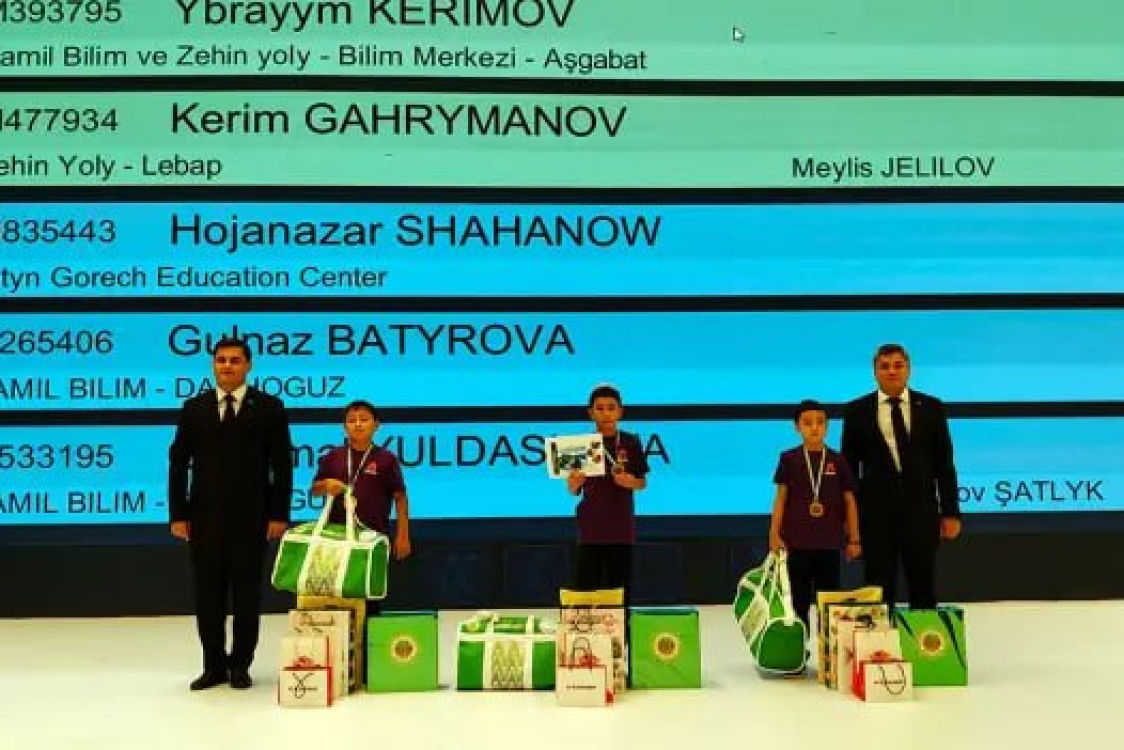
25.08.2026In Turkmenistan, the results have been announced for the ‘Anzan’ mental arithmetic championship, which took place as part of the ‘Kids Expo: Everything for Children’ international exhibition and fair. This was reported by the news website Turkmenportal. Around 120 schoolchildren aged between 6 and 14 from across the country took part in the competition. Twenty-four students won prizes, whilst five students broke national records. First place in the overall standings was won by Emrah Shamuradov, a 7th grade student at the boarding school attached to Secondary School No. 9 in the city of Turkmenabat, Lebap velayat. Second place went to Ybrayym Kerimov, a 5th grade student at Secondary School No. 41 in Ashgabat. Third place was awarded to Kerem Gahrymanov, a 4th grade student at Secondary School No. 3 in the Sayat etrap of the Lebap velayat. A further 21 pupils took first, second and third places in their respective age categories. The Magtymguly Youth Organisation of Turkmenistan presented the winners and record-holders with commemorative gifts and laptops. The participant with the highest score and his teacher received a certificate for a 7-day trip to Vietnam. The students who broke national records were awarded certificates for a 5-day holiday in the ‘Awaza’ tourist resort. The championship was organised by the Ministry of Education of Turkmenistan, the Central Council of the Magtymguly Youth Organisation, the country’s Chamber of Commerce and Industry, and the ‘Kämil bilim’ and ‘Zehin ýoly’ educational centres.
19 trades were concluded on the Turkmenistan Stock Exchange over the course of the week
25.08.2026Over the past week, 19 transactions were recorded on the State Commodity and Raw Materials Exchange of Turkmenistan. This was reported by ‘Turkmenistan: Golden age’. Business representatives from the United Arab Emirates, Turkey and Afghanistan purchased urea and desulphurised diesel fraction produced by the ‘Türkmenhimiýa’ State Concern using foreign currency. Bed linen sets, cotton yarn and flannel fabric were also sold for foreign currency; the buyers were companies from Turkey and Azerbaijan. The total value of foreign currency transactions exceeded 46 million 412 thousand US dollars. On the domestic market, local businesses purchased polypropylene produced by the ‘Türkmennebit’ State Concern, as well as wheat flour and cotton yarn, for a total of over 80,634,000 manats.
A Turkmen delegation is taking part in a media forum in Uzbekistan
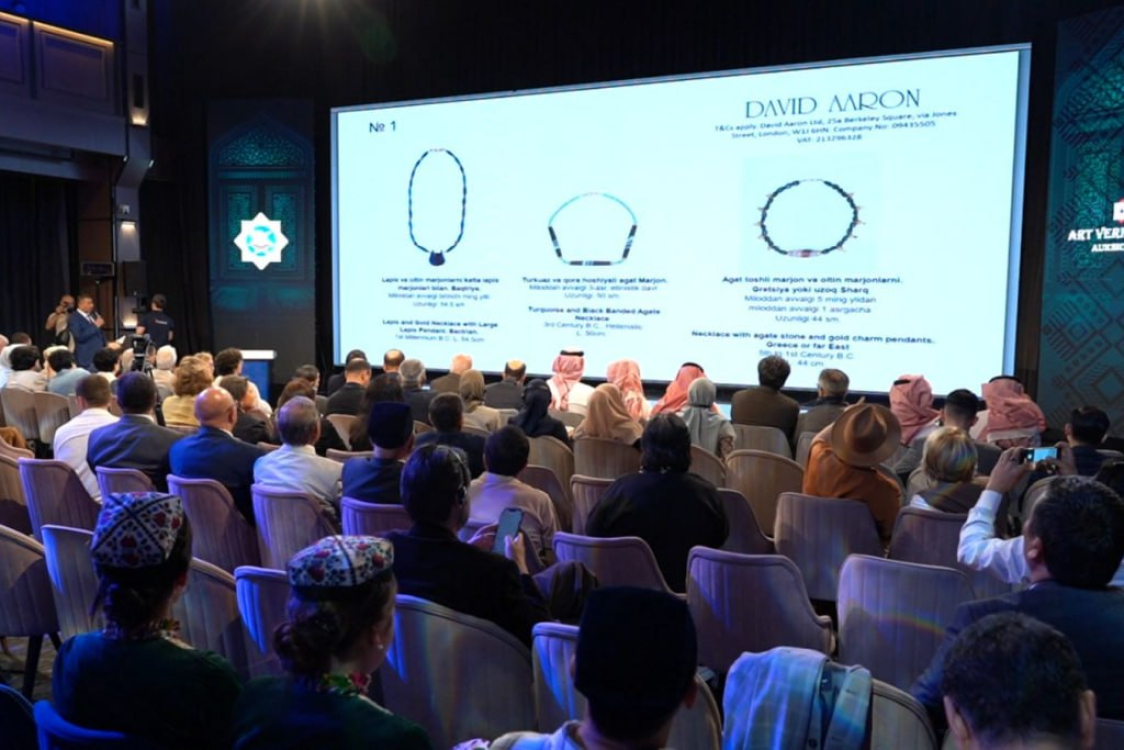
25.08.2026A Turkmen delegation is taking part in the international media forum ‘Islamic Civilisation: New Perspective – New Discoveries’, which is being held from 24 to 29 August in Tashkent and Samarkand. The delegation comprises representatives from the Ministry of Foreign Affairs and the country’s leading media organisations. Journalists, experts and media professionals from dozens of countries are taking part in the forum, according to the news agency ‘Turkmenistan: Golden age’. The opening ceremony took place in Tashkent, at the Centre for Islamic Civilisation in Uzbekistan. Following the ceremony, participants toured a themed exhibition in the Centre’s foyer, which featured museum exhibits, projects in the fields of science and education, digital versions of unique materials and multimedia technologies. The plenary session addressed issues relating to the production of contemporary documentary films, the scholarly study of historical data, publishing, and the integration of digital technologies into the media sector. Particular attention was paid to joint international media projects. Speakers highlighted the key role of modern technologies in the work of media organisations. As emphasised, digital solutions are also being actively introduced in Turkmenistan — particularly in the fields of education and the mass media. The exchange of experience in this area was cited as one of the main prerequisites for the sector’s development. The forum’s programme also includes creative meetings and masterclasses for students from journalism faculties in Uzbekistan. On 27 August, the event will continue in Samarkand, where participants will visit the city’s historical and cultural heritage sites. The final session and the forum’s closing ceremony will take place on 28 August.
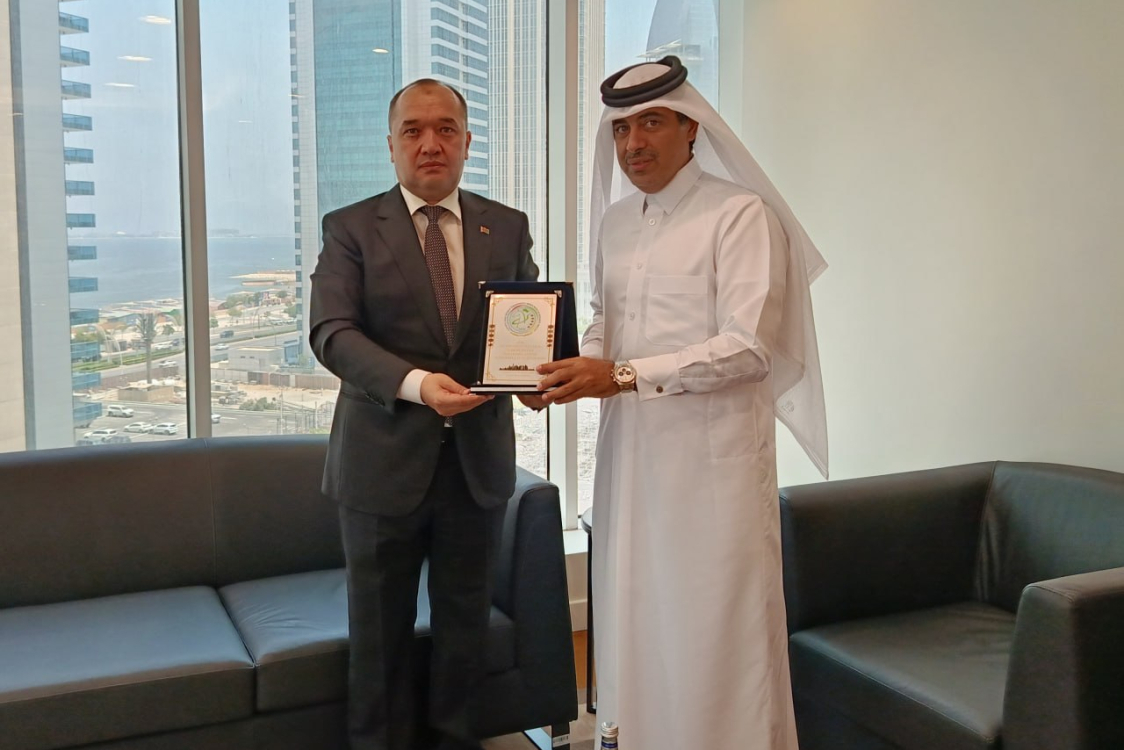
Turkmenistan and Qatar discussed expanding cooperation
24.08.2026On 23 August, the Ambassador of Turkmenistan to Qatar, Myratgeldi Seyitmammedov, met with the Director-General of the Qatar Fund for Development (QFFD), Fahad Hamad Al Sulaiti. The parties discussed strengthening bilateral cooperation and implementing joint initiatives, according to the Orient news agency. The diplomat briefed the Qatari side on events marking the 35th anniversary of Turkmenistan’s independence and the year themed ‘Independent Neutral Turkmenistan − the Homeland of Purposeful Winged Horses’. The participants noted the dynamic development of the partnership and discussed prospects for expanding ties in several areas: - investment and the economy – joint projects with the QFFD; - energy and transport – the development of infrastructure and resource cooperation; - trade and tourism – growth in trade turnover and cultural exchanges. The parties reaffirmed their interest in taking their long-term partnership to a new level.
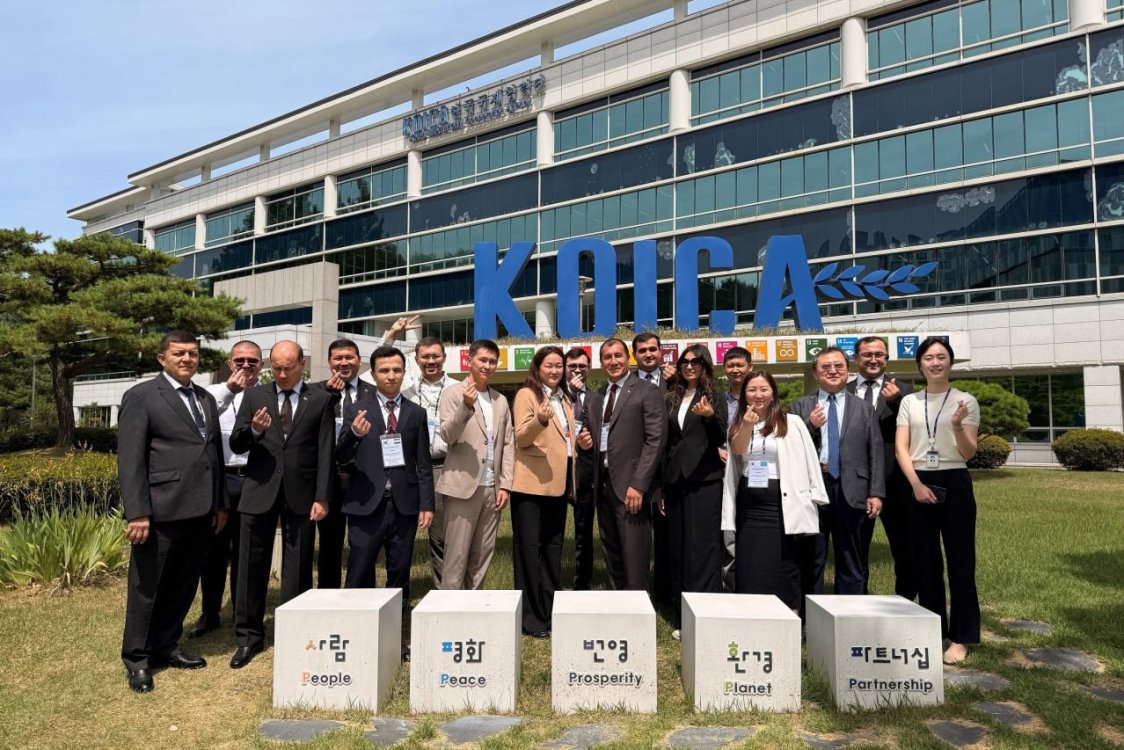
Turkmenistan is drawing on Korea’s experience in the field of ‘smart cities’
24.08.2026Ahead of the first ‘Korea–Central Asia’ summit, scheduled for mid-September, the Korea International Cooperation Agency (KOICA), in collaboration with Kazakhstan’s KazAID, organised a two-week training programme for delegates from the region. This was reported by the news agency Orient. Fourteen senior officials from Turkmenistan, Uzbekistan, Kyrgyzstan and Tajikistan, as well as a representative from KazAID, took part in the course. Participants studied the Korean model of digital government, ‘smart city’ management systems and methods for optimising traffic flows. The programme concluded on 22 August at the KOICA training centre in Sonnam. The participants familiarised themselves with the work of the Seoul Transport Operation & Information Service and interactive digital government platforms. In addition to touring the infrastructure, the delegates developed individual roadmaps for adapting South Korean technologies to the digitalisation needs of their own countries. The region’s interest in South Korean technologies stems from the Republic of Korea’s global leadership in the field of IT transformation: according to the UN e-Government Survey, the country ranks first in the world for the quality of online services for citizens and fourth in the overall global ranking. The organisers of the training programme expect that common digital standards and the exchange of expertise will serve as a catalyst for launching joint technology ventures and expanding scientific cooperation between Korea and Central Asia.
Read also
Advertising
 Read us in Zen


