

Policy
Hero Arkadag proposed setting up a Turkmen-Afghan commission
12.08.2026The National Leader of the Turkmen people and Chairman of the Halk Maslahaty of Turkmenistan, Gurbanguly Berdimuhamedov, has proposed the establishment of a Turkmen-Afghan commission on economic cooperation. This was reported by TDH. The proposal was put forward during negotiations with Abdul Ghani Baradar, Deputy Chairman of the Afghan Cabinet of Ministers for Economic Affairs, as part of a working visit to Afghanistan. The parties discussed joint projects and the strengthening of the legal framework for bilateral cooperation, including the TAPI gas pipeline, the ‘Turkmenistan–Afghanistan–Pakistan’ power transmission line and the fibre-optic communication link. The Afghan side expressed its willingness to consider the proposal.
Turkmenistan is promoting initiatives at the UN
11.08.2026Turkmenistan continues to promote initiatives within the United Nations in the fields of peace and security, preventive diplomacy, international law, transport, energy, the environment and sustainable development. The UN General Assembly has already adopted more than 30 resolutions proposed by Turkmenistan, according to the news agency TDH. The promotion of the principles of neutrality remains one of the key priorities of the country’s foreign policy. In September 2025, at the high-level plenary meeting of the 80th session of the UN General Assembly, President Serdar Berdimuhamedov highlighted the importance of neutrality in maintaining international peace, security and sustainable development. On 20 May 2026, the 82nd plenary meeting of the 80th session of the UN General Assembly unanimously adopted the Resolution ‘The role and importance of a policy of neutrality in maintaining and strengthening international peace, security and sustainable development’, initiated by Turkmenistan and co-sponsored by 47 states. The document became the first UN resolution adopted under a separate agenda item of the General Assembly devoted to issues of neutrality. Turkmenistan also advocates strengthening the central role of the UN and the primacy of international law. In this regard, President Serdar Berdimuhamedov proposed declaring 2028 the Year of International Law. On 24 July 2026, the 106th plenary meeting of the 80th session of the UN General Assembly adopted the Resolution ‘Year of International Law, 2028’. It was co-sponsored by 78 states. The document provides for the promotion of international law as the foundation of peace, security and sustainable development. At a meeting of the Cabinet of Ministers on 1 August, comprehensive proposals for implementing this initiative were presented to the President of Turkmenistan. The Ministry of Foreign Affairs proposed drawing up a National Action Plan for 2026–2028 and establishing an Interdepartmental Working Committee comprising representatives from ministries, departments, higher education institutions and research organisations. As part of the Year of International Law, there are plans to hold regional and international forums, educational courses and lectures; to prepare teaching and information materials; to create digital educational resources; and to organise ‘International Law Week’, model UN sessions and youth competitions. It is proposed to establish the Ashgabat International Platform on ‘International Law’ at the Institute of International Relations of the Foreign Affairs Ministry of Turkmenistan. It is envisaged that this will serve as a platform for academic and diplomatic exchange and for hosting the annual ‘Ashgabat International Legal Dialogue’ and summer schools for young legal scholars. The proposals also provide for the active involvement of the media, the creation of a multilingual internet portal or a dedicated information section on the Year of International Law. Turkmenistan proposes, in collaboration with the UN Secretariat and specialised agencies, to draw up a calendar of international events for 2028. Ashgabat plans to host, under the auspices of the UN, a high-level World Forum on International Law and to consider the possibility of adopting the Ashgabat Declaration. In addition, it is proposed to draw up a National Concept entitled ‘International Law and the Permanent Neutrality of Turkmenistan’ and to circulate it among UN Member States as a United Nations document. It is proposed that the opening of the Year of International Law take place at UN Headquarters in New York, with high-level events also to be held in Geneva, Vienna and other international centres. A separate section is devoted to Turkmenistan’s priorities for the 81st session of the UN General Assembly. The document has been drawn up taking into account the initiatives of President Serdar Berdimuhamedov and the National Leader of the Turkmen people, Chairman of the Halk Maslahaty of Turkmenistan, Gurbanguly Berdimuhamedov. In the field of peace and security, Turkmenistan intends to propose the holding, under the auspices of the UN, of inter-state consultations on the preparation of a Strategy for Universal Peace. An initiative is also being put forward to declare the years 2027–2037 the United Nations Decade of Dialogue and Preventive Diplomacy and to establish, within the framework of the UN, a Group of Friends of Multilateralism and the Sovereign Equality of States. Following on from President Serdar Berdimuhamedov’s initiative to establish the University of Peace and Neutrality, there are plans to discuss the creation of an Academic Centre for Peace, Neutrality and Preventive Diplomacy within the Department of Peace and Neutrality at the Institute of International Relations of the Ministry of Foreign Affairs. In the digital sphere, Turkmenistan proposes to develop, under the auspices of the UN, an International Code on the Peaceful Use of Artificial Intelligence in International Relations and Diplomacy. A dialogue among international experts on digital trust and the responsible use of artificial intelligence is also planned to be held in Ashgabat. In the field of transport, Turkmenistan will continue its work on creating a Global Atlas of Sustainable Transport Connectivity within the framework of the resolution on the ‘UN Decade of Sustainable Transport 2026–2035’. The country also intends to participate in the implementation of the Awaza Programme of Action for 2024–2034 and the Awaza Political Declaration. Among the new initiatives are the establishment in Turkmenistan, under the auspices of the UN, of an International Centre for Sustainable Trade Logistics and Customs Cooperation, as well as the creation of a trans-regional transport corridor linking South and Central Asia with Europe via the Caspian Sea. In the environmental sphere, it is proposed to establish the Ashgabat Climate Dialogue as a multilateral platform for climate change and international cooperation. Turkmenistan also intends to advocate for strengthening the climate resilience of regions facing drought and water scarcity. In the energy sector, consultations are planned to prepare for the high-level forum ‘Stable Energy for All’, in accordance with the resolution ‘The pivotal role of reliable and stable energy connectivity in driving sustainable development’. The humanitarian agenda includes the further development of the Central Asian Women’s Dialogue and cooperation with the UN Peacebuilding Commission and UN Women within the framework of the ‘Women, Peace and Security’ agenda. Work will also continue to expand youth participation in international and regional initiatives and to support the Central Asian Youth Dialogue. Turkmenistan will continue its cooperation with the UN in the field of international law and its activities as a member of the United Nations Economic and Social Council (ECOSOC) for the period 2026–2028. At the same time, the country is preparing for elections to UN bodies. During the 81st session of the United Nations General Assembly, it is planned to nominate Turkmenistan for election as a non-permanent member of the UN Security Council for the period 2031–2032, as well as to other elected UN bodies.
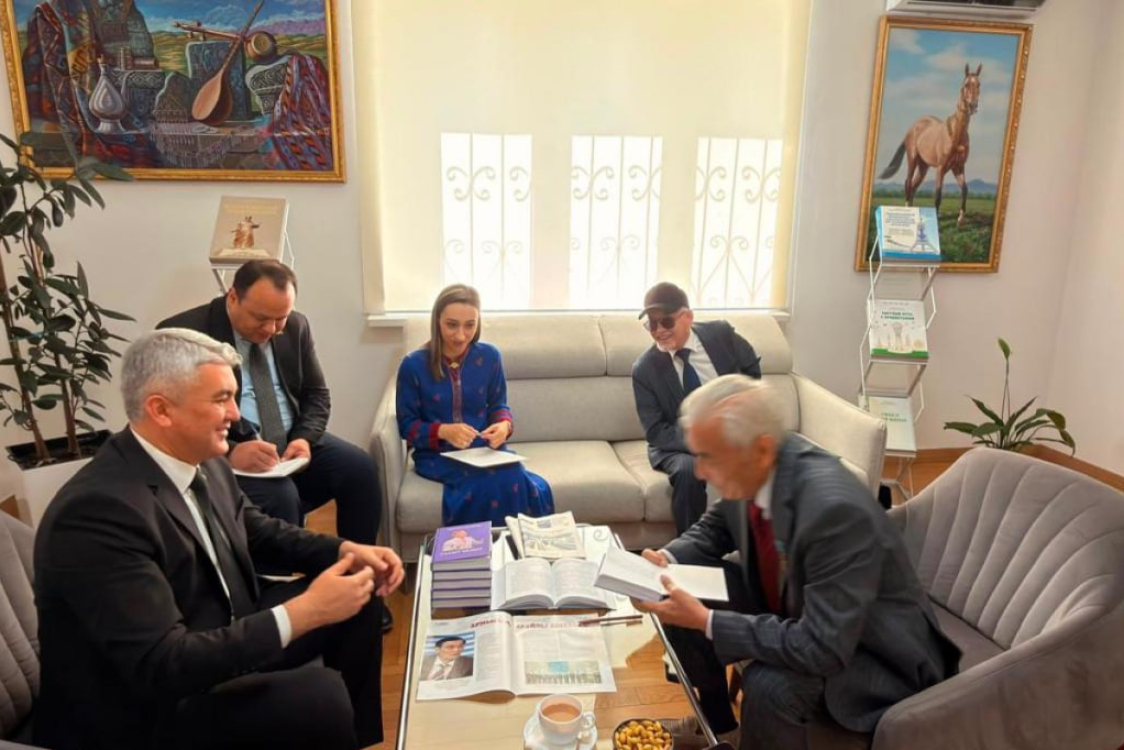
The Turkmenistan Embassy in Kazakhstan held discussions on the Halk Maslahaty of Turkmenistan meeting
11.08.2026A meeting was held at the Embassy of Turkmenistan in the Republic of Kazakhstan with Omurzak Ozganbayev, a member of the Council of Senators and an honourable elder (aksakal). The parties exchanged views on the forthcoming session of the Halk Maslahaty of Turkmenistan, to be held on 23 September 2026 in Ashgabat, according to the press service of the Foreign Affairs Ministry of Turkmenistan. Omurzak Ozganbayev recalled his visit to Ashgabat to take part in the 15th session of the Council of Elders of the Organisation of Turkic States (OTS), held from 11 to 13 March 2024 under Turkmenistan’s chairmanship. He noted the high standard of organisation of the event and the Turkmen hospitality. The meeting also discussed the elections to the Kurultay in the Republic of Kazakhstan, which are due to take place on 23 August 2026. The participants highlighted the historical and cultural common ground between the Halk Maslahaty of Turkmenistan and the new state body, the Halyk Kengesi (People’s Council of Kazakhstan), based on the traditions of the Turkic peoples. According to Omurzak Ozganbayev, the forthcoming session of the Halk Maslahaty of Turkmenistan will mark an important stage in the implementation of strategic objectives, the strengthening of national unity and the further development of the country.
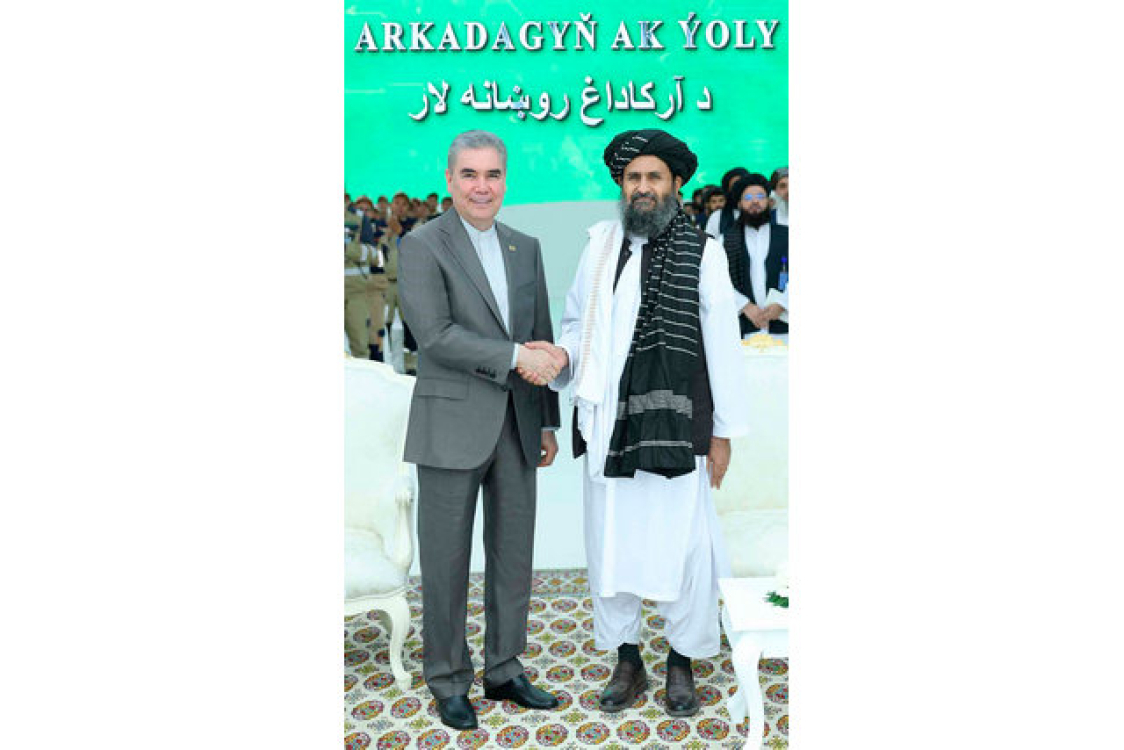
Turkmenistan and Afghanistan are strengthening their energy cooperation
11.08.2026On 10 August, the National Leader of the Turkmen people and Chairman of the Halk Maslahaty of Turkmenistan, Gurbanguly Berdimuhamedov, undertook a working visit to the Mary velayat and visited Afghanistan. This was reported by the news agency TDH. From Ashgabat International Airport, Hero Arkadag travelled to Mary International Airport. The National Leader of the Turkmen people then arrived at the Islam-Cheshme border zone in the town of Serhetabat, Tagtabazar etrap, and travelled to Afghanistan. During the visit, negotiations were held with Abdul Ghani Baradar, Deputy Chairman of the Afghan Cabinet of Ministers for Economic Affairs. The parties discussed the development of bilateral cooperation in the fuel and energy, transport and logistics, electricity, education and other sectors. Particular attention was paid to the ‘Turkmenistan–Afghanistan–Pakistan–India’ (TAPI) gas pipeline project and its ‘Serhetabat–Herat’ section, known as ‘Arkadagyň ak ýoly’. The project’s role in developing energy cooperation and expanding economic ties between the countries was highlighted. The parties also considered issues relating to the implementation of the ‘Turkmenistan–Afghanistan–Pakistan’ power transmission line and the fibre-optic communication line. Discussions centred on the development of the ‘Lapis Lazuli’ transport corridor, the creation of logistics infrastructure and the simplification of freight transport procedures. In the field of education, attention was drawn to the possibility of increasing the number of Afghan students at higher education institutions in Turkmenistan and training specialists for the gas sector, including for the TAPI project. The National Leader of the Turkmen people proposed establishing a Turkmen-Afghan commission on economic cooperation to further promote joint projects and strengthen the legal framework for cooperation. During the visit, a signing ceremony was held for a Memorandum of Understanding between the State Concern ‘Türkmengaz’ and the State Corporation ‘Afghan Gas’ of Afghanistan. The document provides for joint work on the creation of specialised infrastructure in Herat Province, as well as the supply of Turkmen gas to industrial enterprises, power stations and the general public. As part of the trip, video footage was presented showing the progress of construction on the ‘Serhetabat–Herat’ gas pipeline. Around 300 units of modern specialised machinery are being used to carry out the work. At the end of the visit, Hero Arkadag returned to Mary International Airport, from where he flew to Ashgabat.
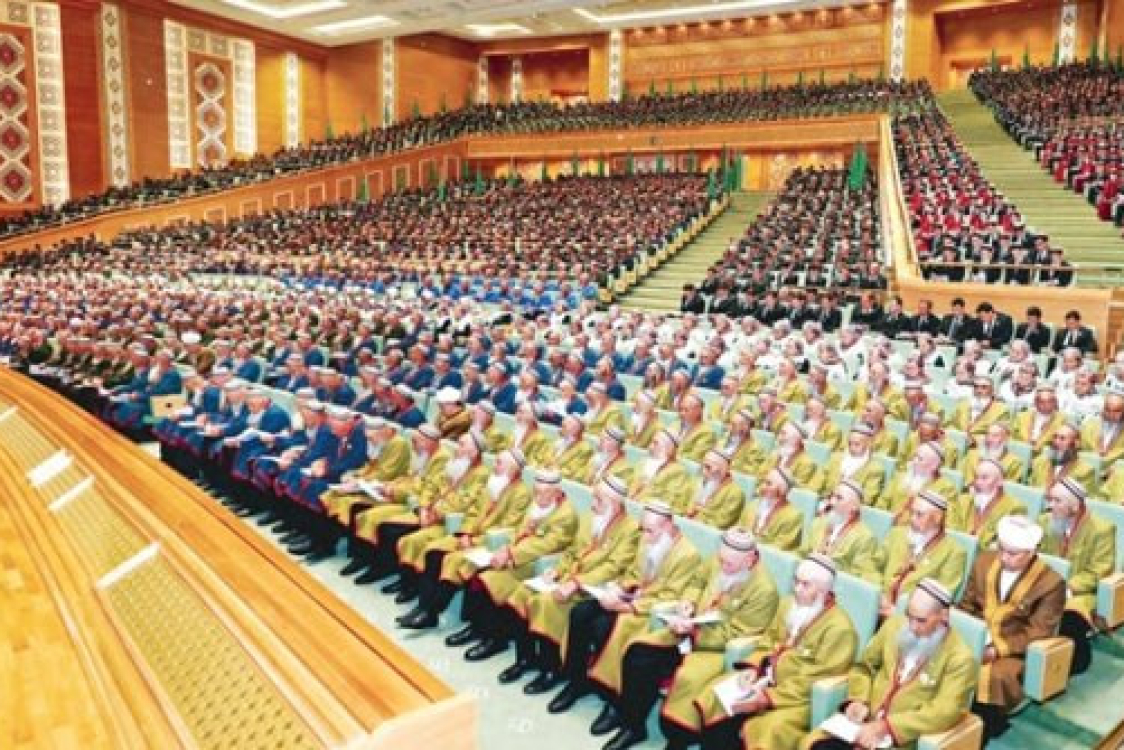
Halk Maslahaty is carrying on the traditions of national unity
10.08.2026This year, under the motto ‘Independent Neutral Turkmenistan − the Homeland of Purposeful Winged Horses’, the country continues to pursue its socio-economic development objectives. This is reported by the online news site AsmanNews. The unity of the people remains one of the key principles of Turkmen society. The traditions of harmony, peace and mutual understanding are regarded as an important part of the national heritage. The Halk Maslahaty of Turkmenistan plays a special role in this process. At a meeting of its Presidium, the main focus was on preparations for the national forum, which is to take place on 23 September at the ‘Maslahat Köşgi’ Palace in Ashgabat. Participants will review the country’s socio-economic development and set out objectives for the future. The activities of the Halk Maslahaty are aimed at strengthening the unity, cohesion and well-being of the people, as well as the country’s further development. The tradition of collegial discussion of issues of importance to the family, society and the state has its roots in the history of the Turkmen people. Today, this tradition is being further developed through the work of the Halk Maslahaty of Turkmenistan as a modern platform for strengthening national unity. Peacefulness, good neighbourliness and open dialogue remain key pillars of Turkmenistan’s domestic and foreign policy. At the same time, the preservation of national values and social harmony is regarded as the foundation for the country’s further development.
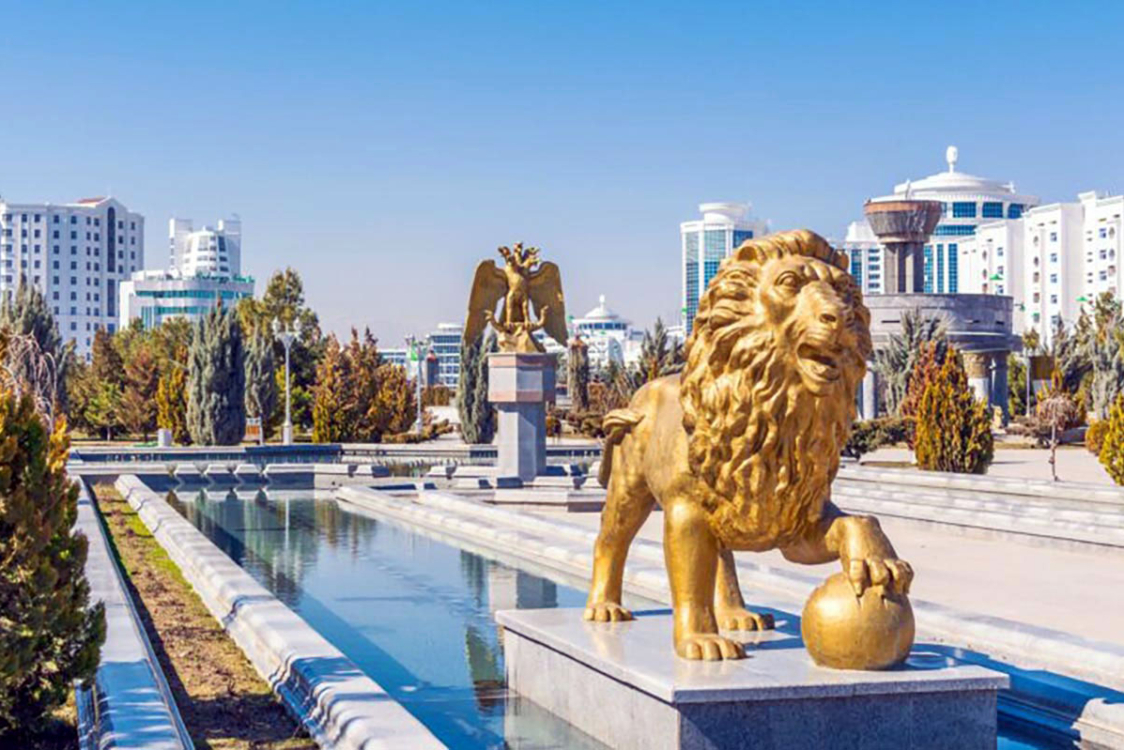
Turkmenistan is developing international cooperation and social projects
10.08.2026The past week in Turkmenistan was marked by international engagements, the development of cooperation with foreign partners, and initiatives in the field of maternal and child health. This was reported by the news agency TDH. On 5 August, at the ‘Awaza’ National Tourist Zone, President Serdar Berdimuhamedov met with Ignazio Cassis, Vice-President of the Swiss Confederation, Chairperson-in-Office of the Organisation for Security and Co-operation in Europe (OSCE) and Head of the Federal Department of Foreign Affairs. The parties discussed the development of Turkmenistan’s cooperation with the OSCE and Switzerland. The President of Turkmenistan emphasised Turkmenistan’s interest in expanding international dialogue in the interests of peace and sustainable development. Among the promising areas for cooperation mentioned were energy, transport, economic growth, environmental protection and the rational use of water resources. On the same day, a high-level national round table entitled ‘Strengthening Systems to Support Exclusive Breastfeeding’ took place in Ashgabat. It was organised by the Gurbanguly Berdimuhamedov Charitable Foundation for Assistance to Children in Need of Guardianship and the United Nations Children’s Fund (UNICEF) Country Office in Turkmenistan. The event was attended by representatives of the Mejlis, the Ministry of Health and Medical Industry, relevant institutions, higher education establishments, civil society organisations, international bodies and diplomatic missions. Participants discussed maternal and child health, support for breastfeeding and the further development of relevant national programmes. The event took place as part of World Breastfeeding Week, which runs from 1 to 7 August. It was noted that Turkmenistan is implementing the National Programme for Maternal and Child Health for 2026–2030, entitled ‘Healthy Mother – Healthy Child – Healthy Future’. The Law of Turkmenistan ‘On the Promotion and Support of Breastfeeding’ is also in force. As part of cooperation with UNICEF, programmes are being implemented on immunisation, proper nutrition for children, improving legislation in the field of child rights protection, and enhancing the professional skills of healthcare workers and teachers. The Gurbanguly Berdimuhamedov Charitable Foundation for Assistance to Children in Need of Guardianship funds the treatment of children, including complex operations, and supports medical institutions by equipping them with modern equipment and ambulances. On 7 August, Serdar Berdimuhamedov, whilst on annual leave, went for a cycle ride along the coast of the Caspian Sea in the ‘Awaza’ National Tourist Zone. The ‘Awaza’ National Tourist Zone continues to develop as a tourist and health resort. The area is home to sanatoriums, hotels with medical and rehabilitation departments, children’s health centres and sports complexes. Work is also being carried out in ‘Awaza’ to maintain cleanliness and preserve a favourable environmental situation. The tree-lined avenues and parks that have been created complement the tourist infrastructure of the Caspian coast. The development of the physical culture and health movement remains one of the priorities of state policy. Mass sporting events, including cycle races, are held regularly throughout the country. On the initiative of Turkmenistan, World Bicycle Day, established by a UN General Assembly resolution, is celebrated annually on 3 June.
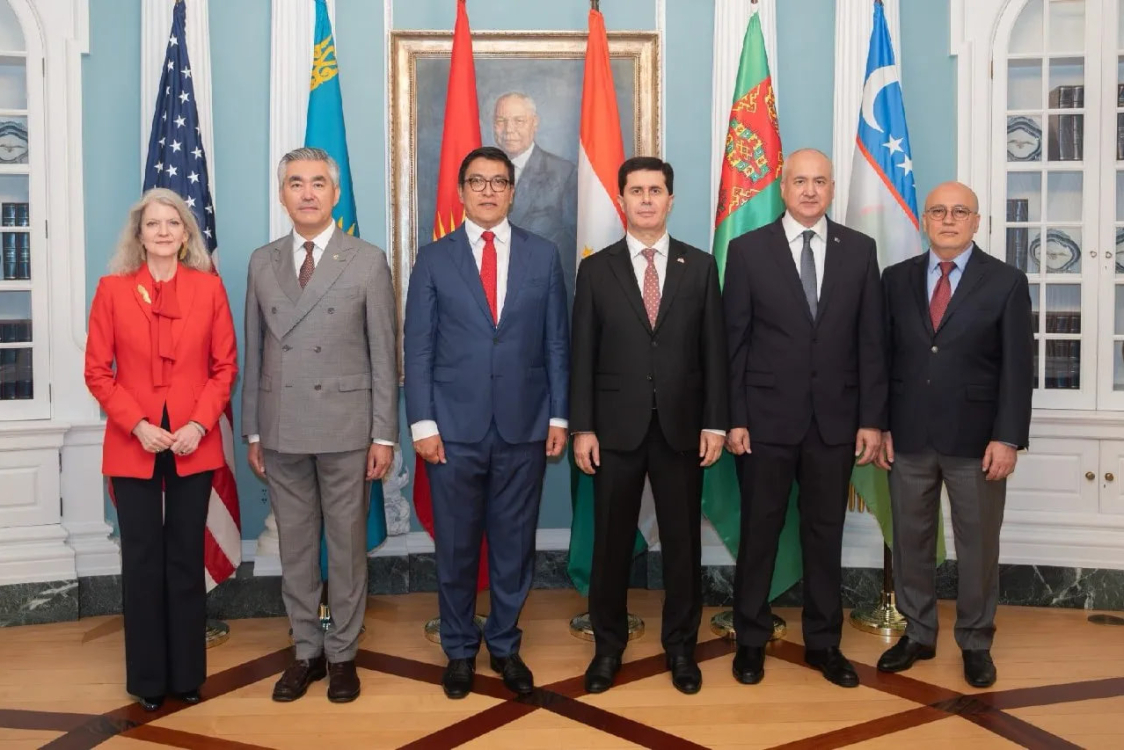
The Ambassador of Turkmenistan took part in the dialogue between the US and the countries of Central Asia
09.08.2026On 7 August, Ambassador of Turkmenistan to the US, Esen Aydogdyev, took part in a meeting between US Under-Secretary of State for Political Affairs Allison Hooker and the ambassadors of Central Asian countries. This was reported by the news website Turkmenportal. The parties discussed expanding cooperation in the fields of business, critical minerals, artificial intelligence and digitalisation. They also exchanged views on upcoming bilateral and regional contacts and key issues on the shared agenda. Following the meeting, the importance of continued dialogue and practical cooperation between the US and the countries of Central Asia was emphasised.
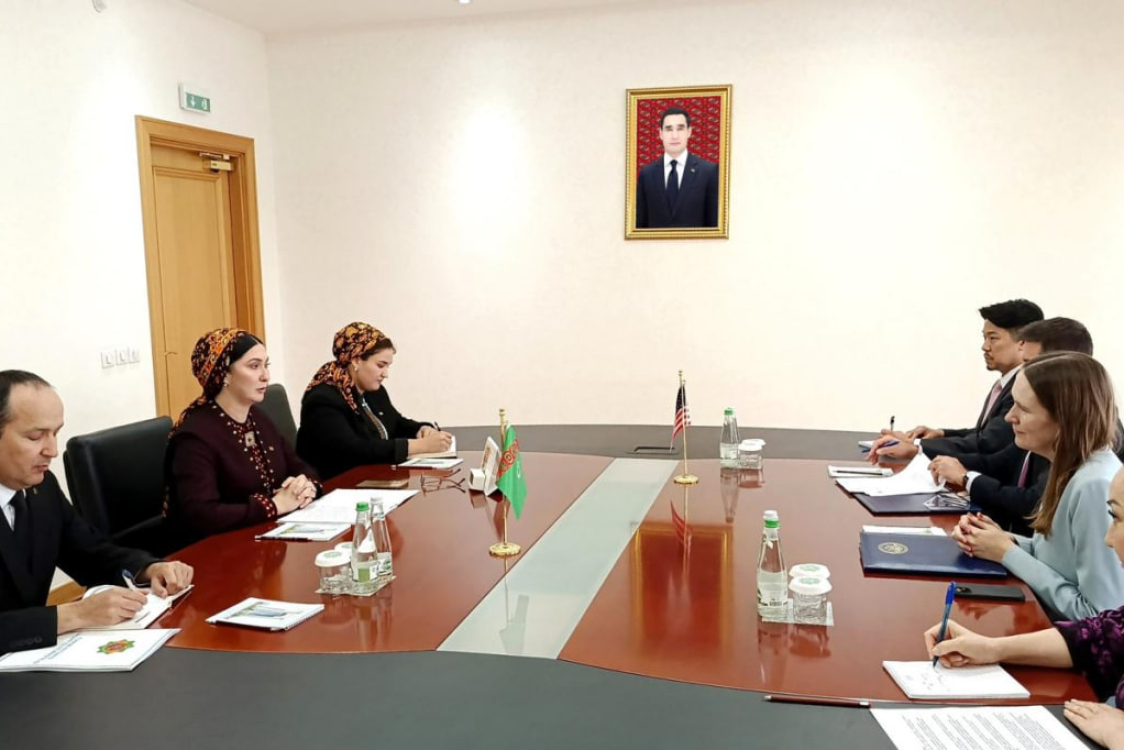
Turkmenistan and the US discussed prospects for cooperation
08.08.2026On 7 August, Myahri Byashimova, Deputy Foreign Affairs Minister of Turkmenistan, held a meeting with Kristin Hawkins, Chargé d’Affaires ad interim of the United States of America in Turkmenistan. This was reported by the press service of the Foreign Affairs Ministry of Turkmenistan. The parties discussed the current state of Turkmen-American cooperation, prospects for further collaboration and issues of mutual interest. Particular attention was paid to cooperation within the framework of international organisations, primarily the UN. Priority areas of humanitarian cooperation were also considered, including educational and sporting exchanges, as well as the implementation of joint projects and programmes. In addition, the participants discussed preparations for upcoming joint events and reaffirmed their readiness to continue regular dialogue on issues relating to the bilateral and multilateral agenda.
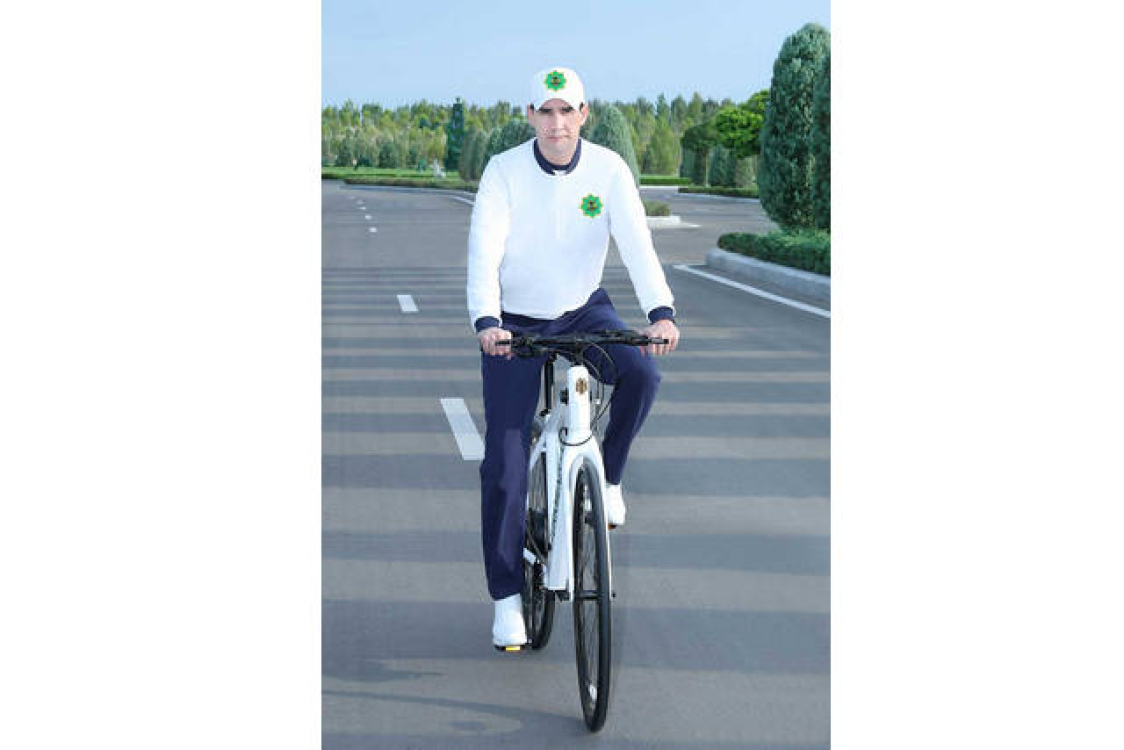
The President of Turkmenistan went for a cycle ride along the Caspian coast
08.08.2026On 7 August, President Serdar Berdimuhamedov, who is currently on working holiday, went for a morning cycle ride along the Caspian Sea coast in the ‘Awaza’ National Tourist Zone. This was reported by the TDH news agency. During the trip, the Head of State familiarised himself with the natural landscapes and infrastructure of the resort area. In recent years, ‘Awaza’ has been transformed into a major tourist, sports and international conference centre. Work is continuing in the ‘Awaza’ National Tourist Zone to preserve its environmental well-being. Green spaces are being expanded, and forest strips and parks are being created. In Turkmenistan, particular attention is paid to the development of the physical culture and health movement and mass sport. Cycling is regarded as one of the ways to maintain physical activity and improve health. The tradition of mass cycle rides has become widespread across the country. Turkmenistan also initiated the establishment of World Bicycle Day, which is celebrated annually on 3 June in accordance with a United Nations General Assembly resolution. The infrastructure of ‘Awaza’ includes sanatoriums, hotels with medical and rehabilitation facilities, children’s health centres, holiday cottage complexes, sports grounds and multi-purpose sports centres. The development of sports and tourism infrastructure, as well as environmental conservation measures, are aimed at improving public health and enhancing the tourist appeal of the ‘Awaza’ National Tourist Zone.
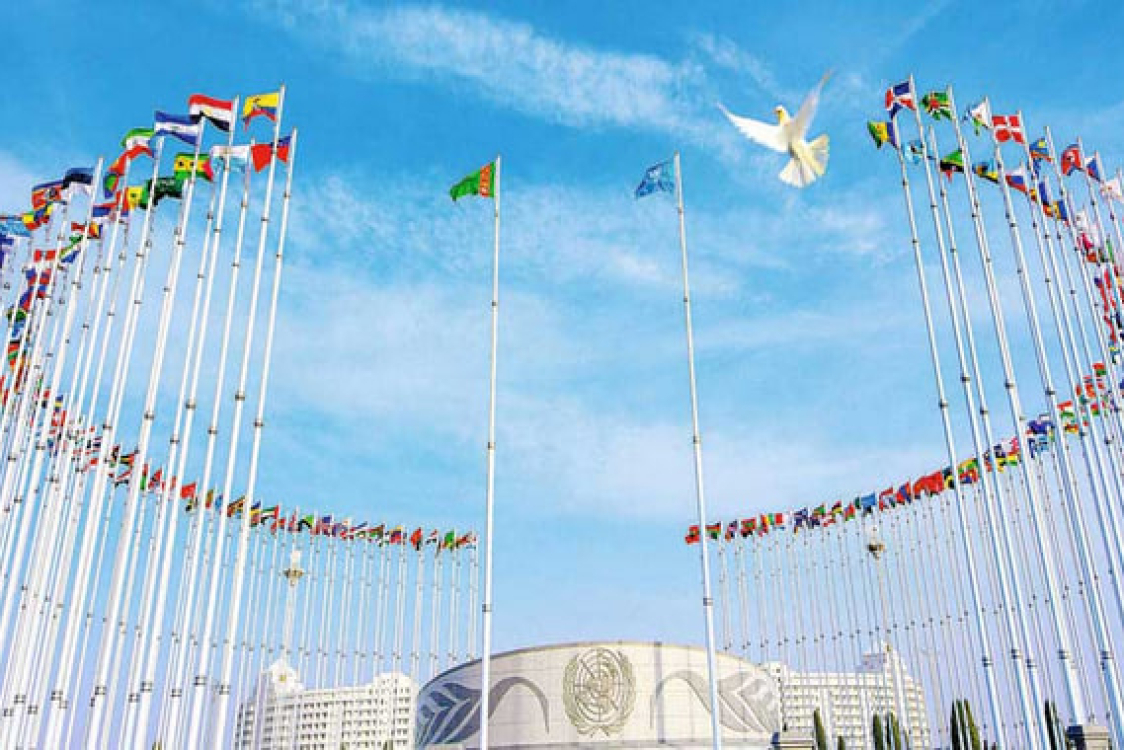
Turkmenistan has continued to pursue a policy of strengthening international partnerships
07.08.2026In July, Turkmenistan continued to develop bilateral and multilateral cooperation with states and international organisations as part of its foreign policy. This was reported by the TDH news agency. Meetings were held at the Foreign Affairs Ministry with the Ambassadors Extraordinary and Plenipotentiary of the Republic of Kenya and the People’s Democratic Republic of Algeria, who presented their letters of credence. Negotiations were also held with representatives from Kazakhstan, Uzbekistan, Japan, the United States, the Republic of Turkey, the Islamic Republic of Iran and New Zealand. Following a series of meetings, documents aimed at developing bilateral cooperation were signed. In July, a delegation from Turkmenistan visited the Republic of Indonesia, where the first political consultations between the Foreign Affairs Ministries of the two countries took place. The parties also discussed prospects for cooperation with the Association of Southeast Asian Nations (ASEAN) and the development of the ‘Central Asia + ASEAN’ format. Particular attention was paid to cooperation with the Republic of Korea. A meeting was held at the Mejlis of Turkmenistan with a delegation led by Choi Hyung Du, Head of the Korea–Turkmenistan Inter-Parliamentary Friendship Group. In addition, the Turkmen delegation took part in the third meeting of senior officials of the ‘Central Asia–Republic of Korea’ Cooperation Forum. The 9th meeting of the Inter-governmental Commission on Economic Cooperation between Turkmenistan and Azerbaijan took place in Ashgabat. Participants discussed the implementation of previously reached agreements and further joint projects. Cooperation with the United Nations and its specialised agencies continued. Meetings were held at the Foreign Affairs Ministry with representatives of the International Labour Organisation, the UN Regional Centre for Preventive Diplomacy for Central Asia, and the new UN Resident Coordinator in Turkmenistan, Xiaojun Grace Wang. A delegation from Turkmenistan also took part in the High-Level Political Forum of the Economic and Social Council (ECOSOC) in New York, where it presented the country’s experience in implementing the Sustainable Development Goals. At a meeting of the National Commission of Turkmenistan for UNESCO, the results of work for the first half of the year and plans for further cooperation with UNESCO and ICESCO were reviewed. On 22 July, Turkmenistan’s Permanent Representative to the UN addressed the open debate of the UN Security Council on issues of international peace and security. On 24 July, the UN General Assembly adopted the resolution ‘International Year of Law, 2028’, initiated by Turkmenistan and co-sponsored by 78 states. In July, a delegation from Turkmenistan took part in the 13th meeting of the High-Level Dialogue ‘European Union–Central Asia’ in Brussels. Negotiations were also held with Michael Harms, Executive Director of the German Committee on Eastern European Economic Relations, and Odile Renaud-Basso, President of the European Bank for Reconstruction and Development. Following the meeting with the EBRD, cooperation agreements were signed. The Foreign Affairs Ministry hosted the 65th meeting of Turkmenistan’s Interdepartmental Commission on Caspian Sea Issues, at which preparations for the Caspian Environmental Summit, scheduled for October in the ‘Awaza’ National Tourist Zone, were discussed. Over the course of the month, negotiations were held with representatives of the Russian Federation and the Republic of Tatarstan, as well as a Turkmen-Chinese dialogue in Beijing dedicated to the further development of bilateral relations. The meetings, negotiations and international events held in July confirmed the continuation of Turkmenistan’s active cooperation with foreign partners in the political, economic and humanitarian spheres.
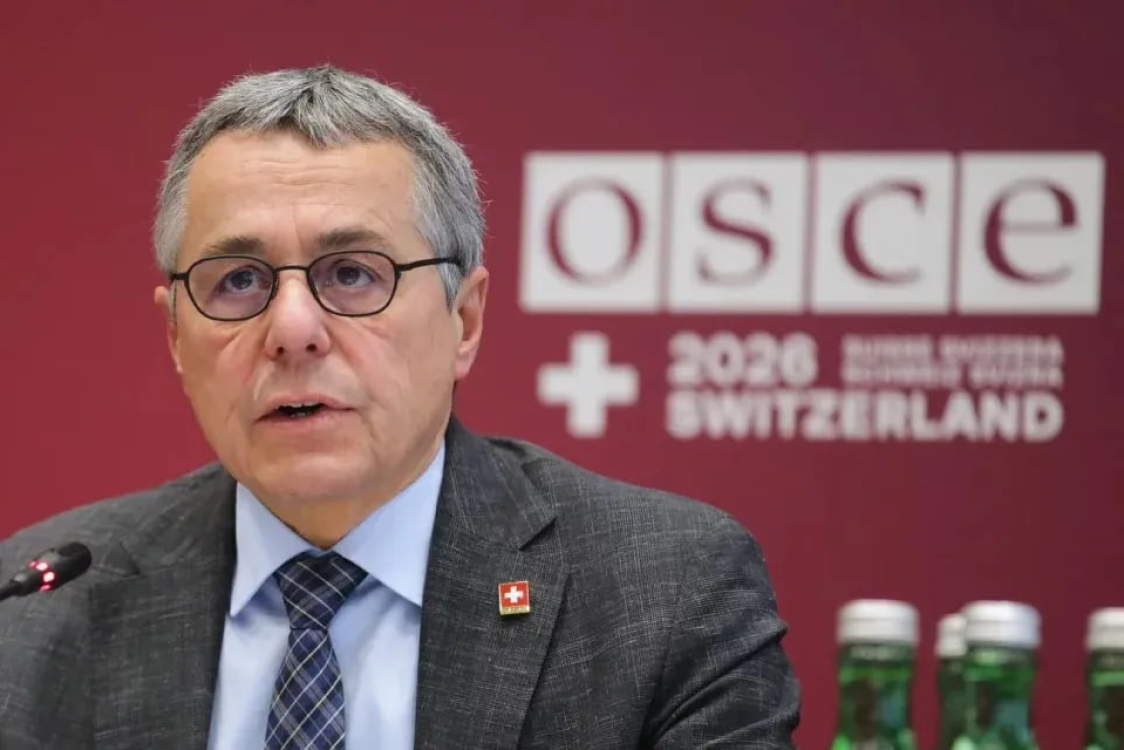
The OSCE Head highlighted Turkmenistan’s role in strengthening dialogue and stability
07.08.2026The current Chairperson-in-Office of the OSCE and Head of the Swiss Federal Department of Foreign Affairs, Ignazio Cassis, described Turkmenistan as a valuable partner for the organisation in strengthening dialogue, stability and cooperation. He made this statement following an official visit to the country, according to the news website Turkmenportal. During his visit, Ignazio Cassis held meetings with the President of Turkmenistan, Serdar Berdimuhamedov, and the Deputy Chairman of the Cabinet of Ministers and Foreign Affairs Minister, Rashid Meredov. The parties discussed cooperation between the OSCE and Turkmenistan, as well as prospects for expanding cooperation across the organisation’s three security pillars. The Head of the Swiss Federal Department of Foreign Affairs also highlighted the role of the OSCE Centre in Ashgabat in fostering constructive dialogue with Turkmenistan. He met with staff at the centre and expressed his appreciation for their work in implementing the organisation’s mandate and developing engagement with state institutions and civil society. The visit to Turkmenistan formed part of Ignazio Cassis’s regional tour. He had previously visited Azerbaijan and plans to visit Armenia and Georgia in the autumn.
Turkmenistan has reaffirmed its commitment to developing its partnership with the OSCE
07.08.2026During a meeting with the Vice-President of the Swiss Confederation, which currently holds the Chairmanship-in-Office of the Organisation for Security and Co-operation in Europe (OSCE), and Head of the Federal Department of Foreign Affairs Ignazio Cassis, President Serdar Berdimuhamedov noted that the visit marked an important stage in the development of Turkmenistan’s cooperation with the OSCE and the Swiss Confederation. This was reported by the news agency ‘Turkmenistan: Golden age’. The parties discussed issues of international cooperation, the maintenance of peace, stability and sustainable development. President Serdar Berdimuhamedov emphasised Turkmenistan’s readiness to expand cooperation in the fields of energy, transport, environmental protection and the rational use of water resources. Particular attention was paid to bilateral relations. The Head of State reaffirmed his interest in the further development of cooperation between Turkmenistan and Switzerland in the political, diplomatic, trade, economic, cultural and humanitarian spheres.
Read also
Advertising
 Read us in Zen


