
Policy
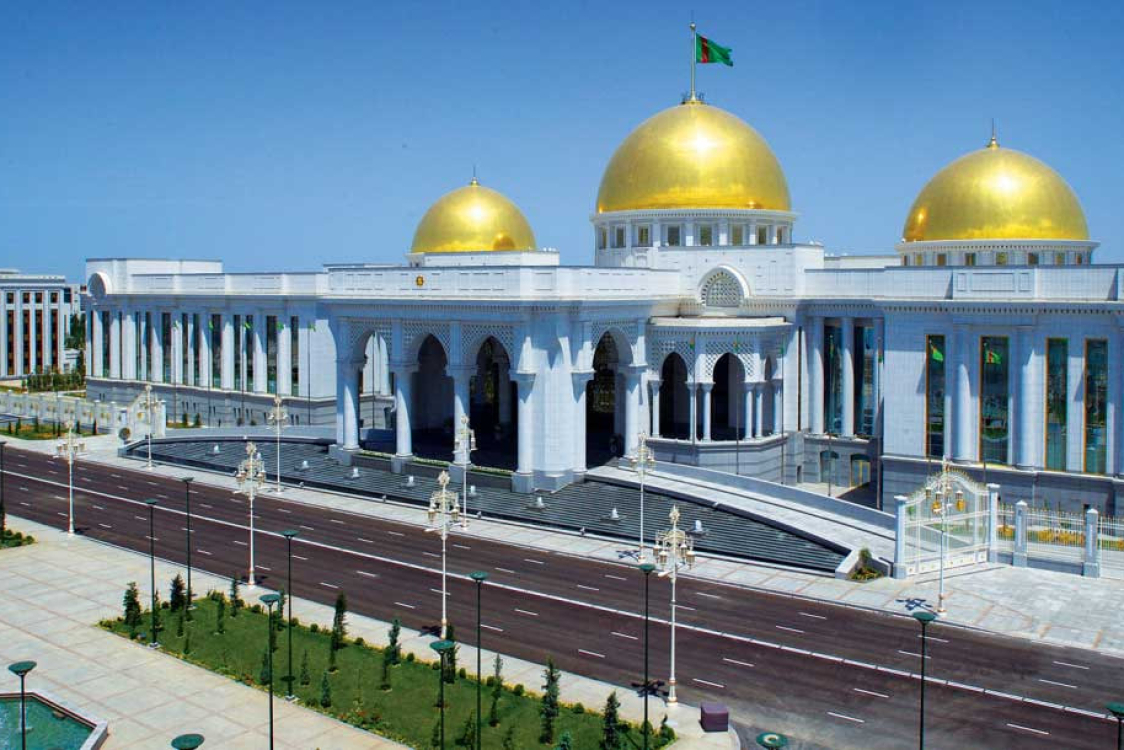
Serdar Berdimuhamedov sent his congratulations to the President of Kazakhstan
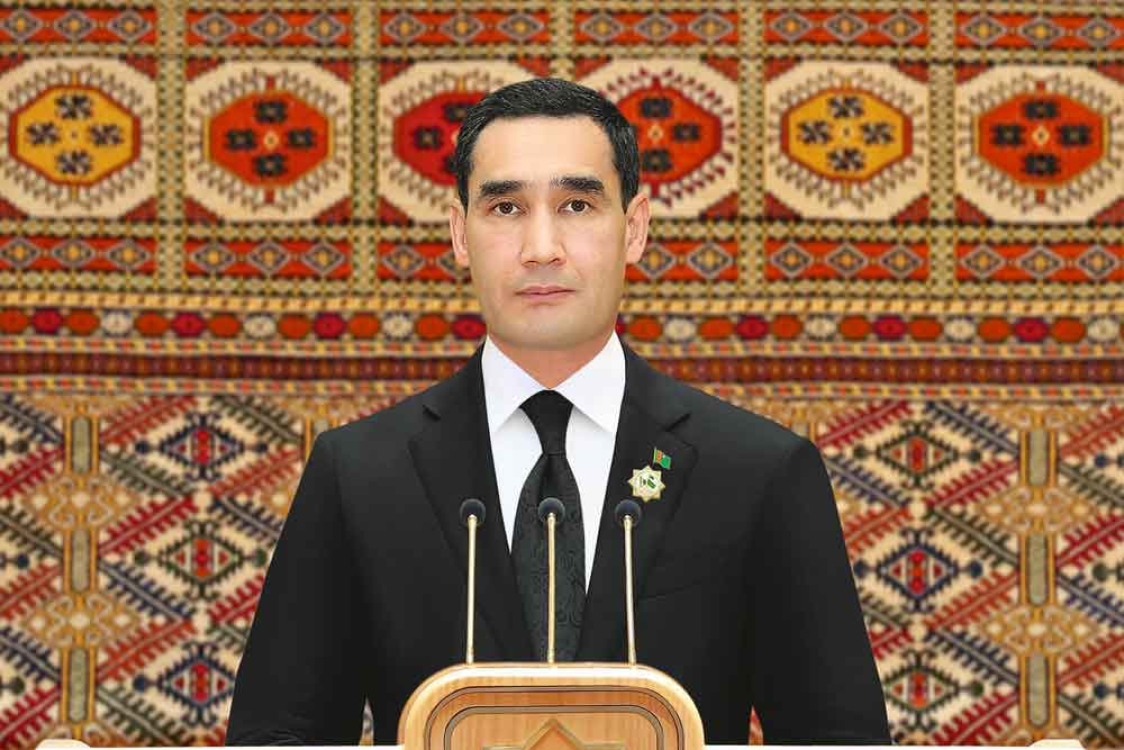
27.08.2026The President of Turkmenistan, Serdar Berdimuhamedov, has sent his congratulations to the President of the Republic of Kazakhstan, Kassym-Jomart Tokayev, on the successful holding of the elections to the Kurultai of the Republic of Kazakhstan. This was reported by the news agency TDH. The Head of State noted that the reforms being carried out in Kazakhstan are laying the foundations for the country’s long-term prosperity. Serdar Berdimuhamedov emphasised that the first elections to the Kurultai, which received widespread public support, marked an important stage in the reforms aimed at improving the system of state power and governance. The President of Turkmenistan expressed his confidence in the further development of friendly relations between Turkmenistan and the Republic of Kazakhstan. Wishes were extended to President Kassym-Jomart Tokayev for good health, well-being and success in his state duties, and to the people of Kazakhstan for peace, prosperity and progress.
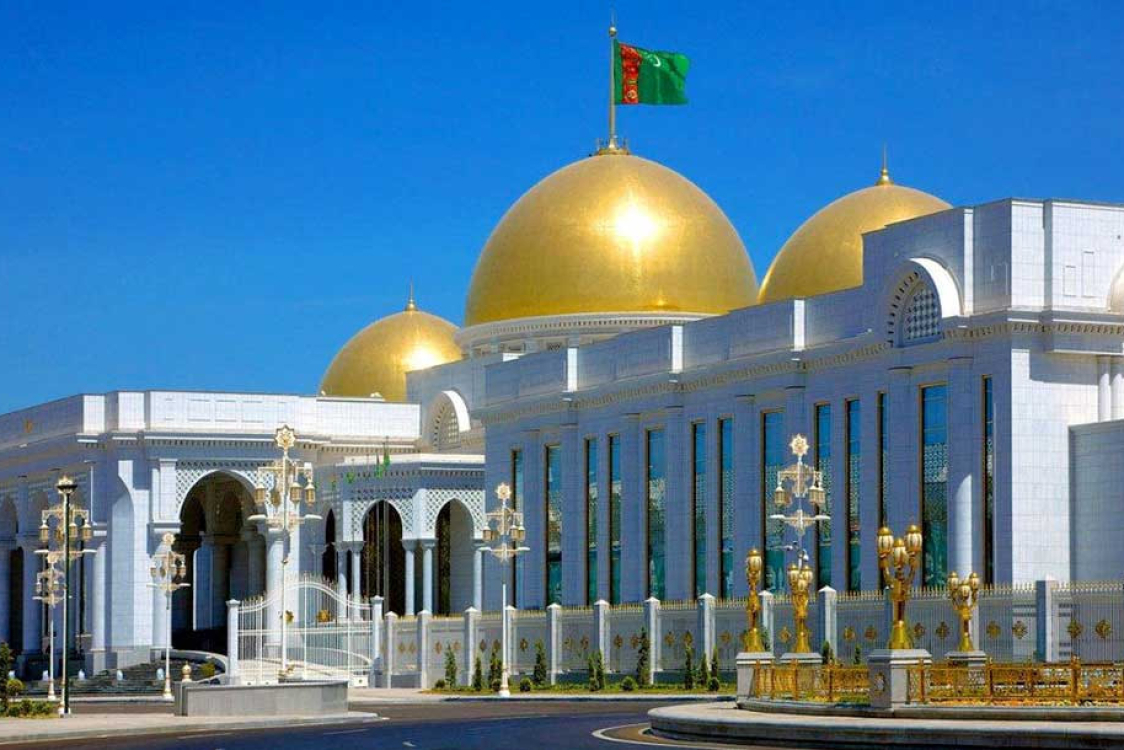
The President of Turkmenistan congratulated the President of Moldova on the 35th anniversary of independence
27.08.2026The President of Turkmenistan, Serdar Berdimuhamedov, has congratulated the President of the Republic of Moldova, Maia Sandu, and the people of the country on the 35th anniversary of the Republic of Moldova’s independence. This was reported by the online news site TerraNews. In his message of congratulations, the Head of State wished Maia Sandu good health and happiness, and the people of Moldova peace, progress and prosperity.
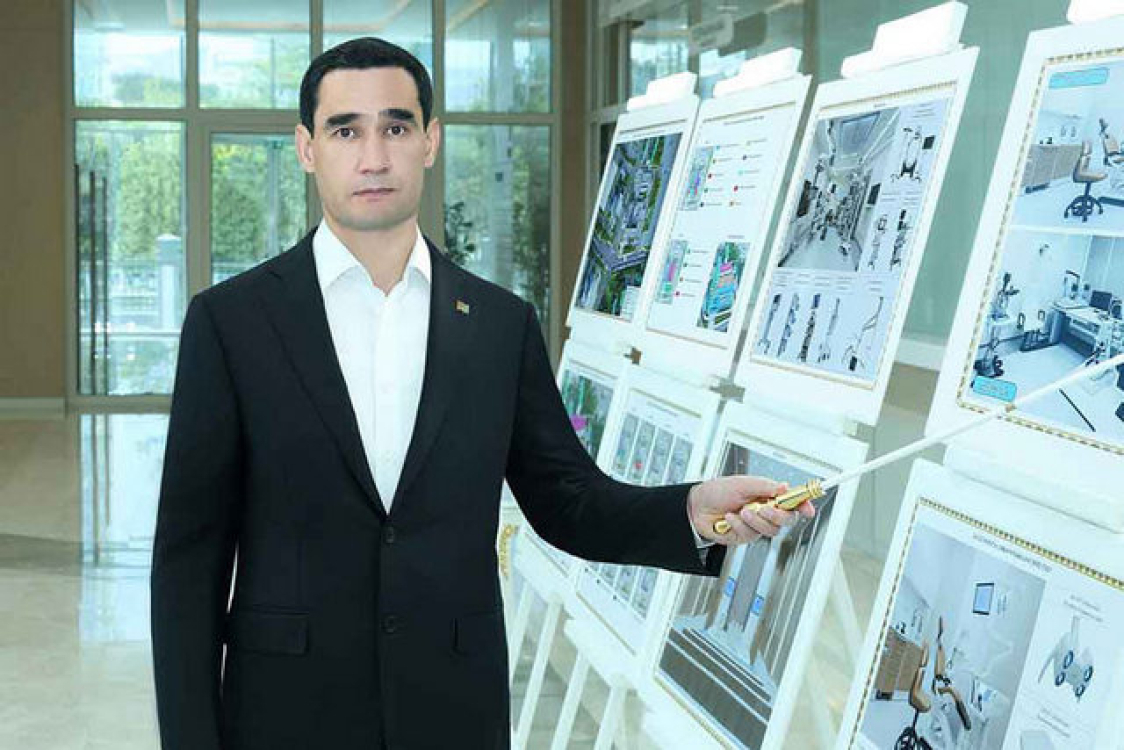
The President of Turkmenistan inspected the readiness of the Dental Centre
27.08.2026On 26 August, the President of Turkmenistan, Serdar Berdimuhamedov, inspected the progress of construction work on the new Dental Centre, which is in its final stages. The Minister of Health and Medical Industry, M. Gayipov, presented a report on the facility’s readiness, its structure, equipment and fittings, according to the TDH news agency. The centre will specialise in dental services and maxillofacial surgery. It will comprise outpatient and inpatient wards, diagnostic and laboratory facilities, operating theatres, anaesthesiology and intensive care units, physiotherapy and emergency departments. The medical facility is equipped with apparatus from leading manufacturers in Germany, Japan and the USA. Digital technologies and artificial intelligence will be used for diagnosis and treatment planning. Patient data will be stored and transmitted in digital format via an electronic document management system. The general dentistry and other specialist departments are fitted with digital dental microscopes, 3D scanning systems and other state-of-the-art equipment. These technologies will enable diagnosis, treatment, prosthetics, implantology and reconstructive surgery. A dental laboratory with capacity for 45 specialists has also been established at the centre. It is equipped with CAD/CAM systems, software packages for digital design and manufacturing, as well as 3D printing equipment. The President of Turkmenistan has instructed that the training of qualified specialists be ensured and that the Centre’s work be coordinated with the Myrat Garryev State Medical University of Turkmenistan. The Head of State also emphasised the need for the effective use of the installed equipment and its digital capabilities. Particular attention has been paid to preparing the facility for its opening to coincide with Healthcare and Medical Industry Workers’ Day, marking the 35th anniversary of Turkmenistan’s independence. The President of Turkmenistan has also instructed that the surrounding area and the Centre’s internal grounds be landscaped and planted with greenery.
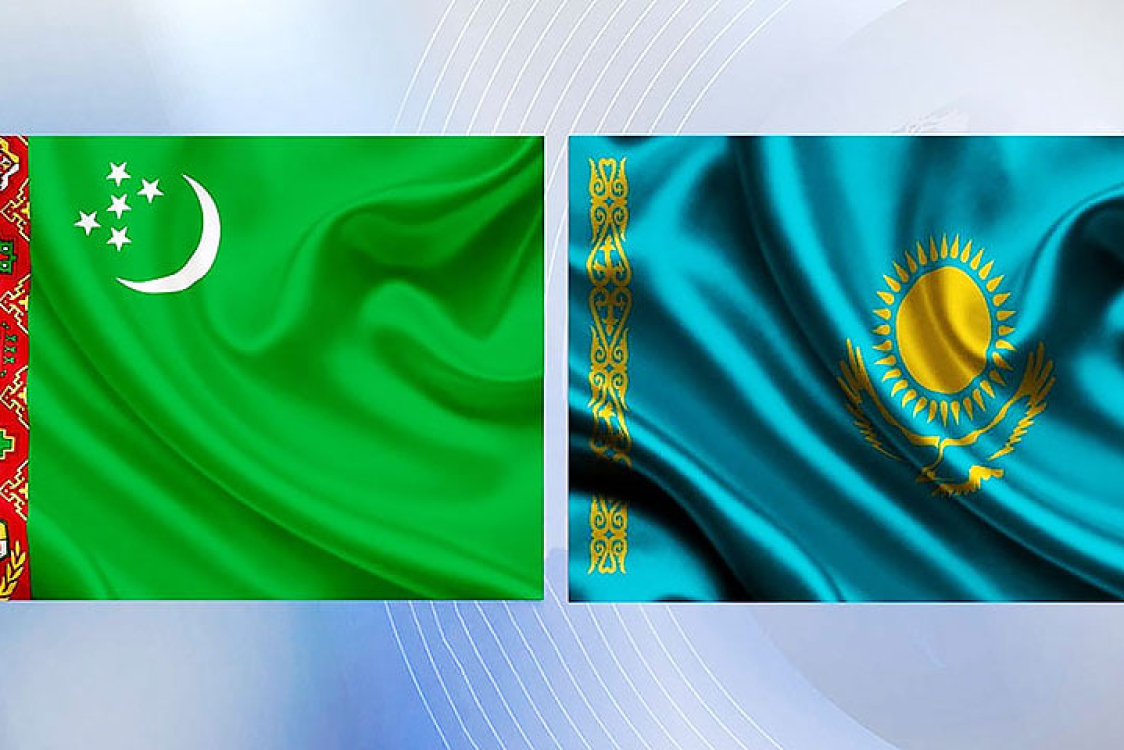
Kassym-Jomart Tokayev commended the effective work of the Turkmen observers
27.08.2026On 25 August, during a telephone conversation with the National Leader of the Turkmen people and Chairman of the Halk Maslahaty of Turkmenistan, Gurbanguly Berdimuhamedov, the President of the Republic of Kazakhstan, Kassym-Jomart Tokayev, noted the effective work of the Turkmen observers during the elections for deputies to the Kurultai of the Republic of Kazakhstan. This was reported by the news agency ‘Turkmenistan: Golden age’. The President of Kazakhstan emphasised that the Turkmen observers had actively participated in the preparation and conduct of the elections to the Kurultai of the Republic of Kazakhstan and had objectively assessed the results. According to Kassym-Jomart Tokayev, the election results fully comply with national legislation and international standards. The President of Kazakhstan also expressed particular gratitude for the Turkmen side’s participation in observing the electoral process and noted the significance of Gurbanguly Berdimuhamedov’s congratulations on the occasion of the elections. During the conversation, confidence was also expressed in the further strengthening of inter-parliamentary ties and Kazakhstani-Turkmen relations.
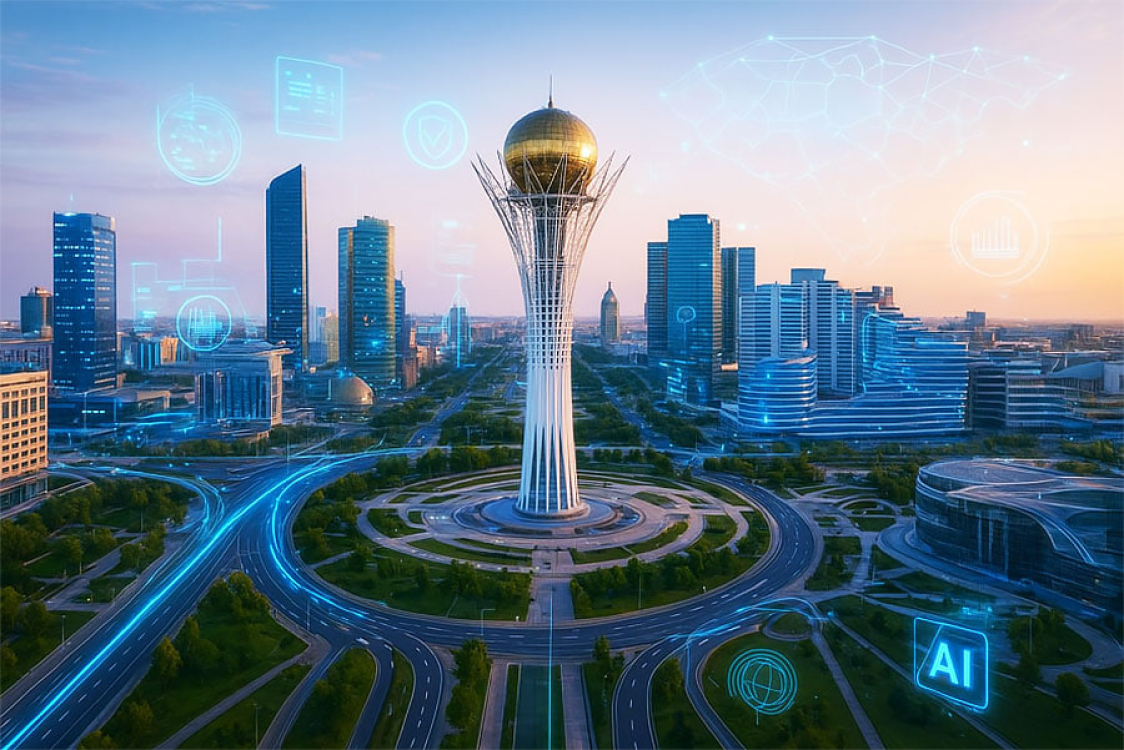
The President of Turkmenistan has been invited to an AI security summit in Astana
27.08.2026The President of the Republic of Kazakhstan, Kassym-Jomart Tokayev, stated that he looks forward with great respect to the participation of the President of Turkmenistan, Serdar Berdimuhamedov, in the Aqaba Process meeting on ‘"Security in the Sphere of Artificial Intelligence’. The President of Kazakhstan made this announcement during a telephone conversation with the National Leader of the Turkmen people and Chairman of the Halk Maslahaty of Turkmenistan, Gurbanguly Berdimuhamedov, according to the news agency ‘Turkmenistan: Golden age’. The event will take place in early November in Astana. Kassym-Jomart Tokayev also emphasised the importance of the two heads of state participating in multilateral forums. Gurbanguly Berdimuhamedov noted the joint efforts to strengthen regional cooperation and the closeness of Turkmenistan’s and Kazakhstan’s positions on key issues.
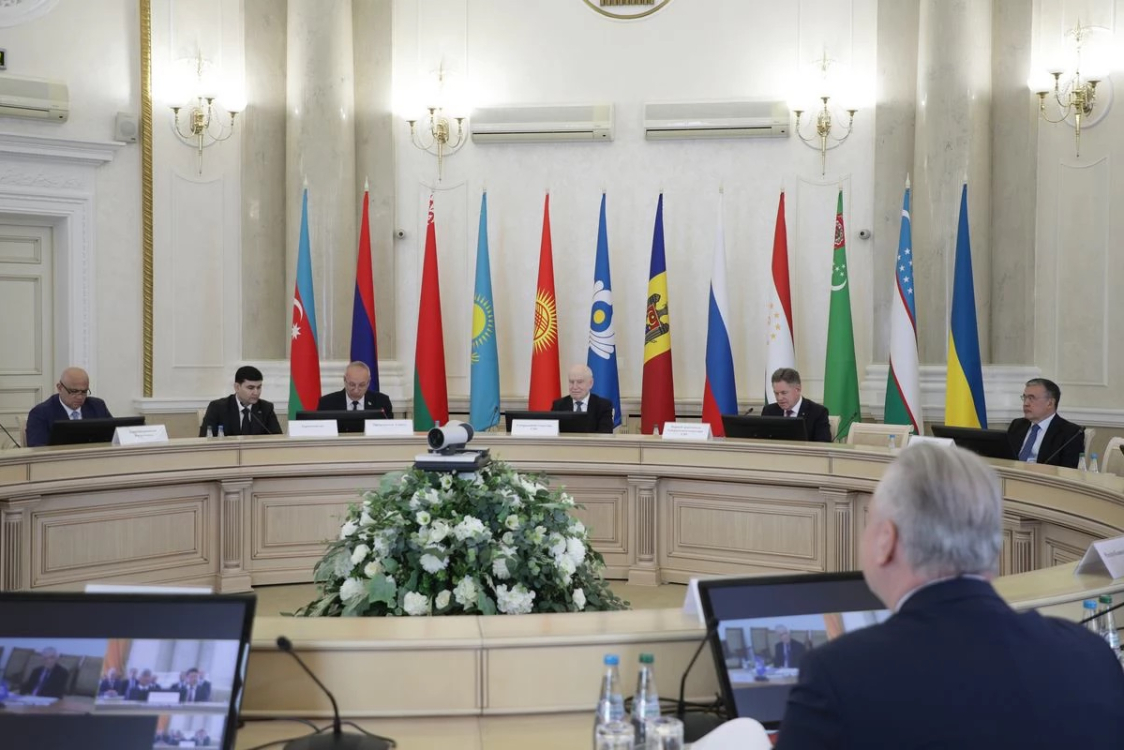
Turkmenistan has presented the agenda for the forthcoming session of the Halk Maslahaty
26.08.2026On 25 August, a meeting of the Council of Permanent Representatives of the CIS Member States was held in Minsk, attended by the Commonwealth’s Secretary-General, Sergey Lebedev. This was reported by the news agency Orient. At the suggestion of the Embassy of Turkmenistan, the participants discussed key events on Ashgabat’s domestic political calendar. Turkmenistan’s Permanent Representative, Ambassador Nazarguly Shagulyev, spoke about preparations for the 35th anniversary of the country’s independence and the forthcoming meeting of the Halk Maslahaty on 23 September. The diplomats also drew up the agenda for the meeting of the Council of Heads of Government of the CIS, which is to be held in Moscow in December. This will include issues relating to cooperation in industry, innovation, fundamental science, the environment and the humanitarian sphere, including tourism and the ‘Sodruzhestvo’ film festival. Separate discussions were held on the development of the CIS’s external relations within the framework of Observer and Partner statuses, as well as the further promotion of the ‘CIS Plus’ format.
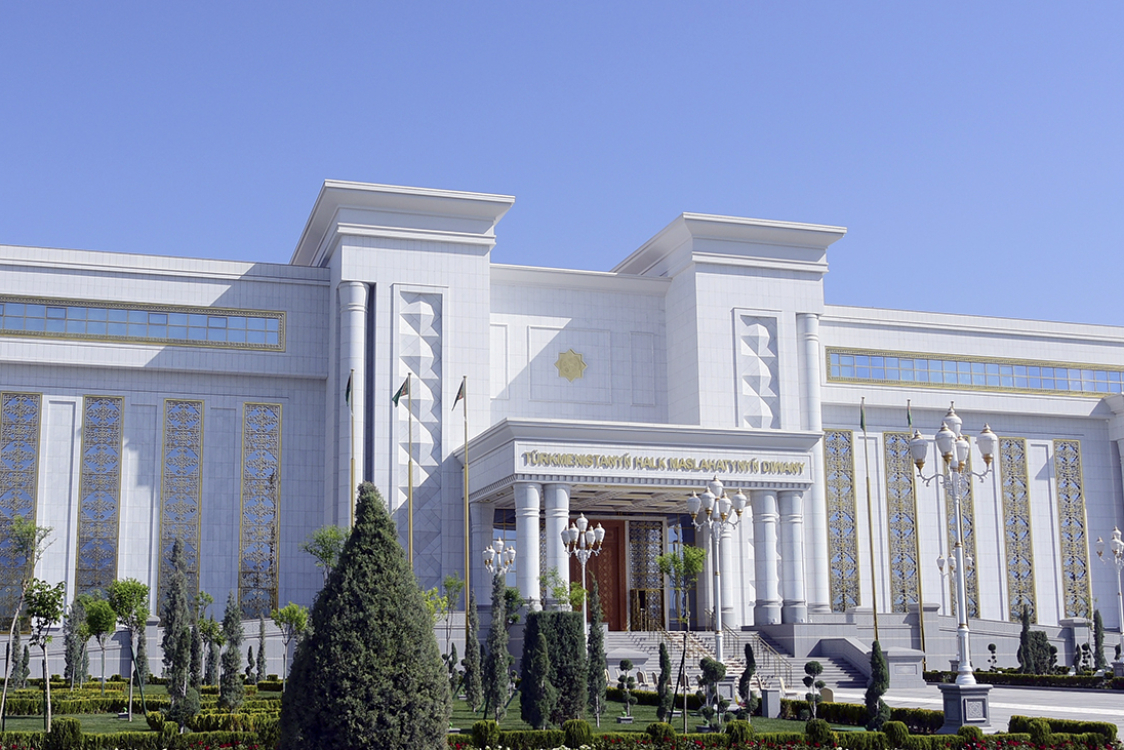
Turkmenistan and Kazakhstan have reaffirmed their commitment to strengthening bilateral ties
26.08.2026On 25 August, a telephone conversation took place between the National Leader of the Turkmen people and Chairman of the Halk Maslahaty of Turkmenistan, Gurbanguly Berdimuhamedov, and the President of the Republic of Kazakhstan, Kassym-Jomart Tokayev. This was reported by AsmanNews. The parties noted the high level of Turkmen-Kazakh relations and congratulated one another on important events. Hero Arkadag congratulated Kassym-Jomart Tokayev on the first elections to the Kurultai of the Republic of Kazakhstan, noting their significance for the country and the reforms being carried out. The President of Kazakhstan thanked the National Leader of the Turkmen people for his congratulations and spoke highly of Turkmenistan’s support. Kassym-Jomart Tokayev made a special mention of the work carried out by the Turkmen observers during the elections. During the conversation, the parties discussed the development of bilateral cooperation in the political, diplomatic, trade, economic, cultural, humanitarian and other spheres. The importance of regular dialogue at the highest level and the work of the inter-governmental commission and relevant working groups was emphasised. Particular attention was paid to cooperation on international and regional platforms. Hero Arkadag thanked Kazakhstan for its support for Turkmenistan’s neutral foreign policy and the country’s initiatives within the United Nations. Kassym-Jomart Tokayev noted the dynamic development of strategic cooperation. The President of Kazakhstan emphasised the significance of the state visit by the President of Turkmenistan, Serdar Berdimuhamedov, to Kazakhstan last November and the meeting with Gurbanguly Berdimuhamedov in Ashgabat in December. The parties also discussed the upcoming international events in the ‘Awaza’ National Tourist Zone on 7–9 October. Kassym-Jomart Tokayev confirmed his participation in the Consultative Meeting of the Heads of State of Central Asia and the Republic of Azerbaijan, the meeting of the Council of Heads of State of the CIS, and the Caspian Environmental Summit. The President of the Republic of Kazakhstan also emphasised that he looks forward to the participation of the President of Turkmenistan, Serdar Berdimuhamedov, in the Aqaba Process meeting on ‘Security in the Sphere of Artificial Intelligence’, which will take place in early November in Astana. At the conclusion of the conversation, the parties expressed their readiness to further strengthen the traditionally friendly relations between the two countries and wished the peoples of Turkmenistan and Kazakhstan peace, well-being and prosperity.
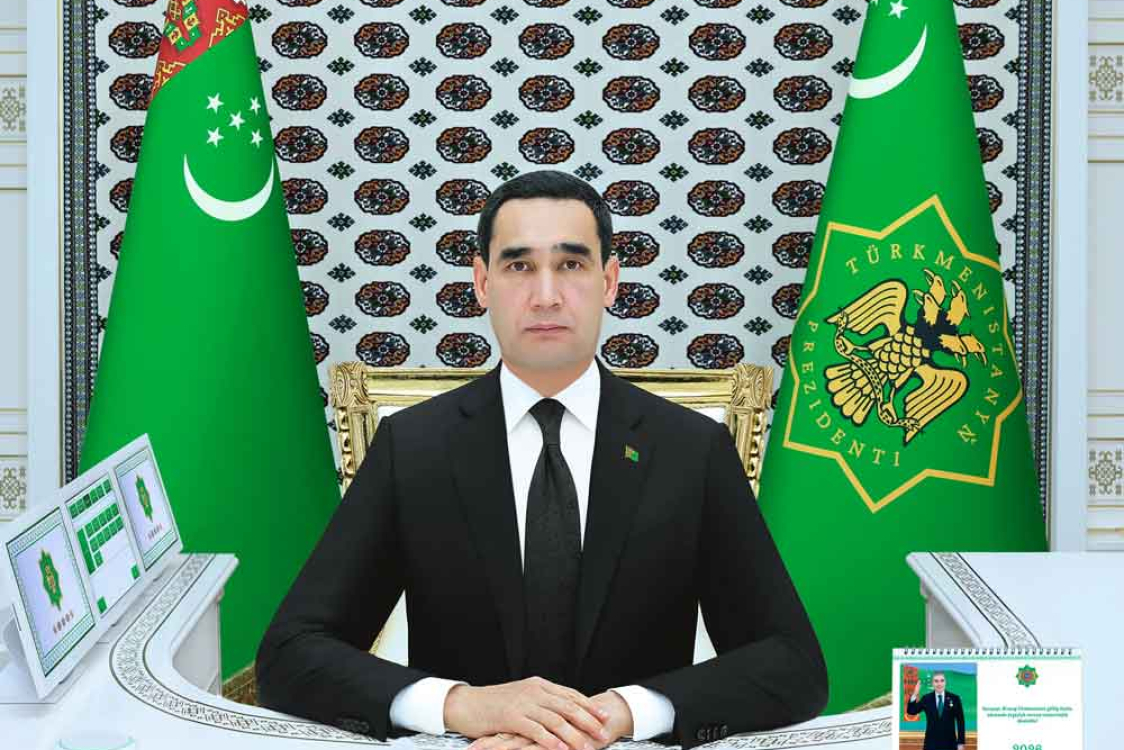
The President of Turkmenistan has sent a message of congratulations to the President of Serbia
26.08.2026The President of Turkmenistan, Serdar Berdimuhamedov, has congratulated the President of the Republic of Serbia, Aleksandar Vučić, and the people of Serbia on the 30th anniversary of the establishment of diplomatic relations between Turkmenistan and the Republic of Serbia. This was reported by the TDH news agency. The Head of State highlighted the development of bilateral ties based on mutual respect and equality. The President of Turkmenistan emphasised Turkmenistan’s interest in further expanding cooperation and expressed his confidence that it would develop in the interests of both nations. Serdar Berdimuhamedov wished Aleksandar Vučić good health, happiness and well-being, and the people of Serbia peace, progress and prosperity.
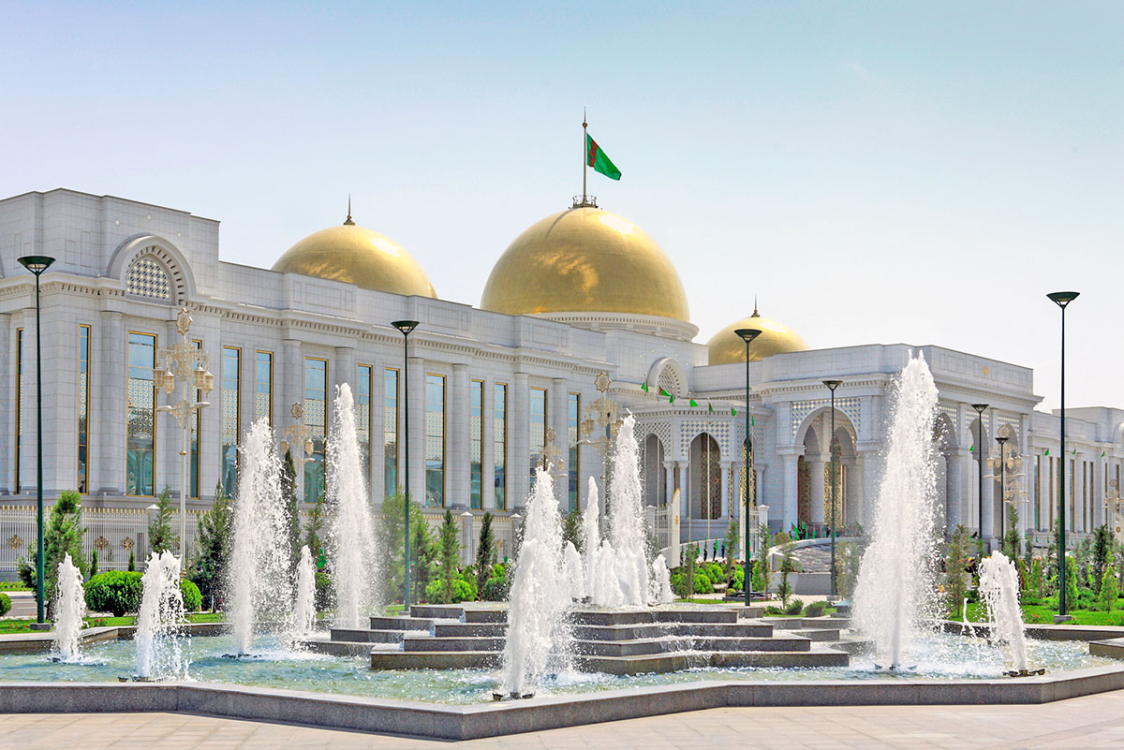
Serdar Berdimuhamedov congratulated the new President of Bangladesh
25.08.2026The President of Turkmenistan, Serdar Berdimuhamedov, has congratulated Mirza Fakhrul Islam Alamgir on his election as President of the People’s Republic of Bangladesh. This was reported by the online news site AsmanNews. The Head of Turkmenistan wished him good health, strength, energy and success in his efforts to promote the progress and prosperity of the people of Bangladesh.
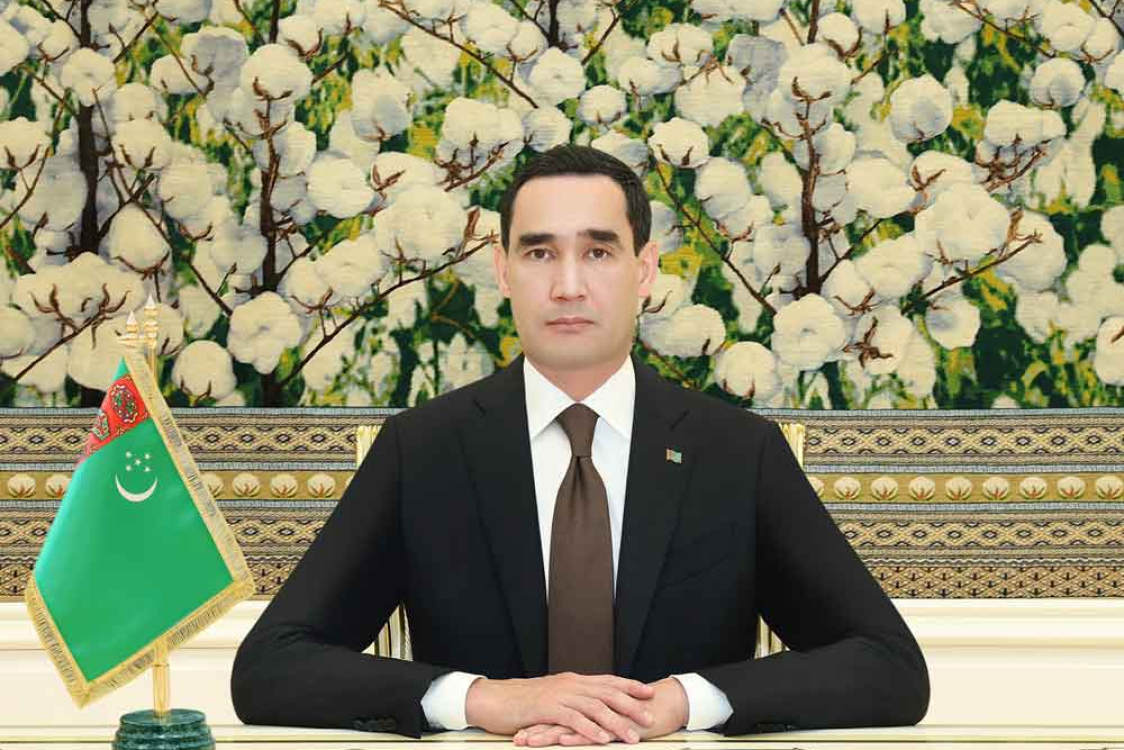
The President of Turkmenistan received the newly appointed German Ambassador
25.08.2026On 24 August, the President of Turkmenistan, Serdar Berdimuhamedov, received Petra Dachtler, the newly appointed Ambassador Extraordinary and Plenipotentiary of the Federal Republic of Germany to Turkmenistan. The German Ambassador presented her credentials to the Head of State, according to the news agency TDH. During the meeting, Petra Dachtler conveyed greetings to the President of Turkmenistan from Federal President Frank-Walter Steinmeier and Federal Chancellor Friedrich Merz, and noted that it was a great honour for her to represent Germany in Turkmenistan. The President of Turkmenistan congratulated the Ambassador on her appointment and wished her every success in her work to further strengthen bilateral relations. The parties discussed the prospects for developing cooperation. It was noted that Germany is one of Turkmenistan’s leading partners among the countries of the European Union. Bilateral cooperation is developing in the political, economic, medical, educational and cultural-humanitarian spheres. Particular attention was paid to cooperation within the ‘Central Asia–Germany’ framework, the expansion of trade and economic ties, and the development of transport connectivity. The role of the Turkmen-German Working Group on Trade and Economic Cooperation and the German Eastern Business Association was also highlighted. Cooperation in the healthcare sector was singled out, including the exchange of expertise between German and Turkmen specialists, the professional development of medical staff and the study of European practices. Educational cooperation is also aimed at staff training and the exchange of knowledge and experience. In conclusion, Petra Dachtler gave her assurance that she would promote the further development of German-Turkmen cooperation across all areas.
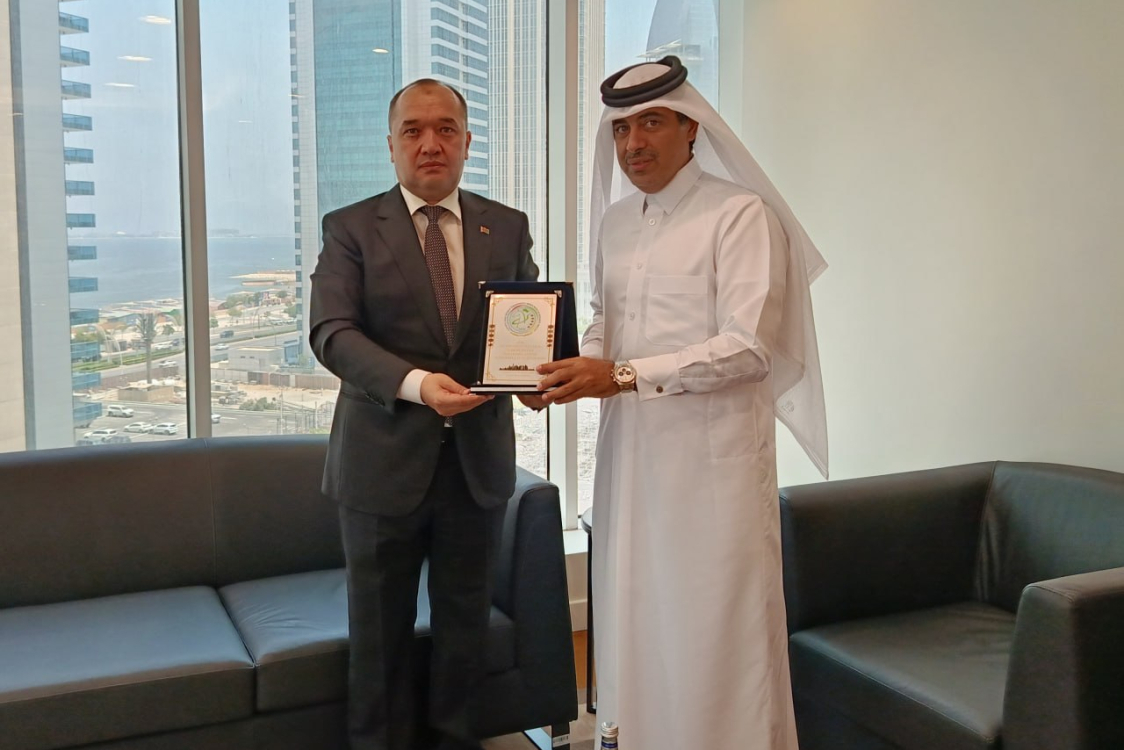
Turkmenistan and Qatar discussed expanding cooperation
24.08.2026On 23 August, the Ambassador of Turkmenistan to Qatar, Myratgeldi Seyitmammedov, met with the Director-General of the Qatar Fund for Development (QFFD), Fahad Hamad Al Sulaiti. The parties discussed strengthening bilateral cooperation and implementing joint initiatives, according to the Orient news agency. The diplomat briefed the Qatari side on events marking the 35th anniversary of Turkmenistan’s independence and the year themed ‘Independent Neutral Turkmenistan − the Homeland of Purposeful Winged Horses’. The participants noted the dynamic development of the partnership and discussed prospects for expanding ties in several areas: - investment and the economy – joint projects with the QFFD; - energy and transport – the development of infrastructure and resource cooperation; - trade and tourism – growth in trade turnover and cultural exchanges. The parties reaffirmed their interest in taking their long-term partnership to a new level.
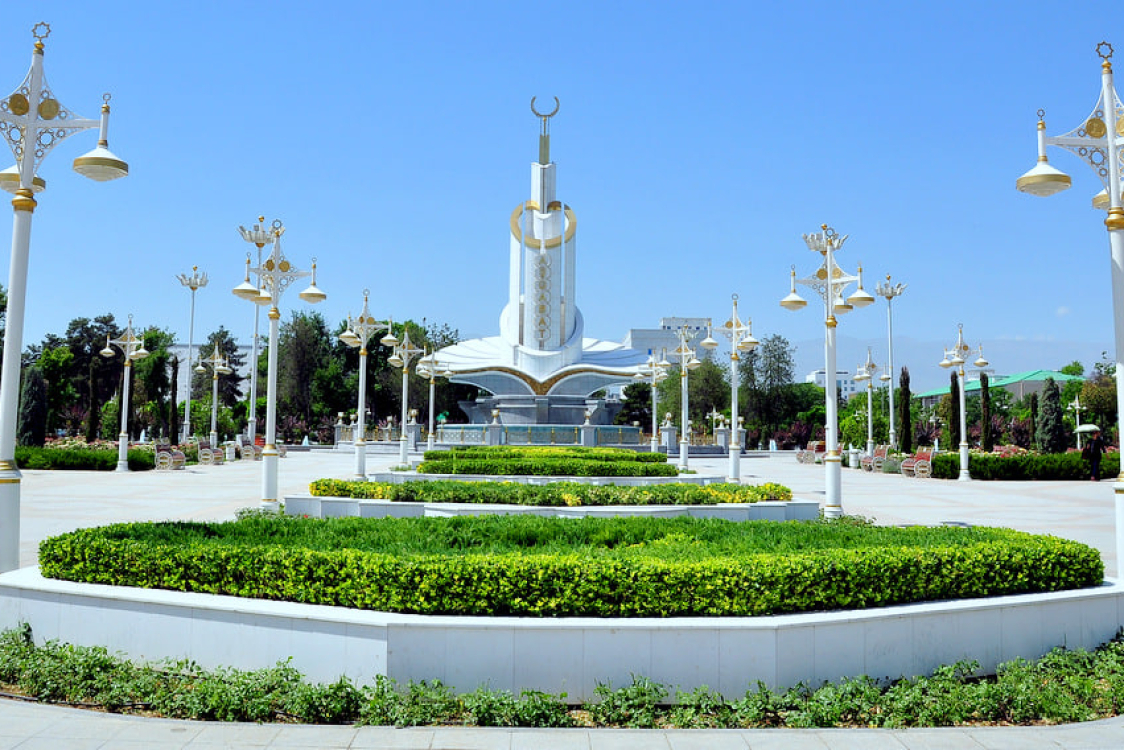
Halk Maslahaty of Turkmenistan will set out Turkmenistan’s development priorities
24.08.2026In the run-up to Turkmenistan’s Independence Day, a session of the Halk Maslahaty — the country’s highest representative body — is to be held. The session is scheduled to review the results of the country’s work and set priorities in the political, economic and social spheres, reports AsmanNews. Particular attention is being paid to measures aimed at raising the standard of living, and modernising education, healthcare and infrastructure. The agenda also includes issues relating to economic diversification, digitalisation, attracting investment, and the development of the energy, transport and environmental sectors. A separate area of focus for the Halk Maslahaty of Turkmenistan is the strengthening of Turkmenistan’s permanent neutrality, the development of inter-parliamentary cooperation and the promotion of a peace-loving foreign policy.
Read also
Advertising
 Read us in Zen


