


Society
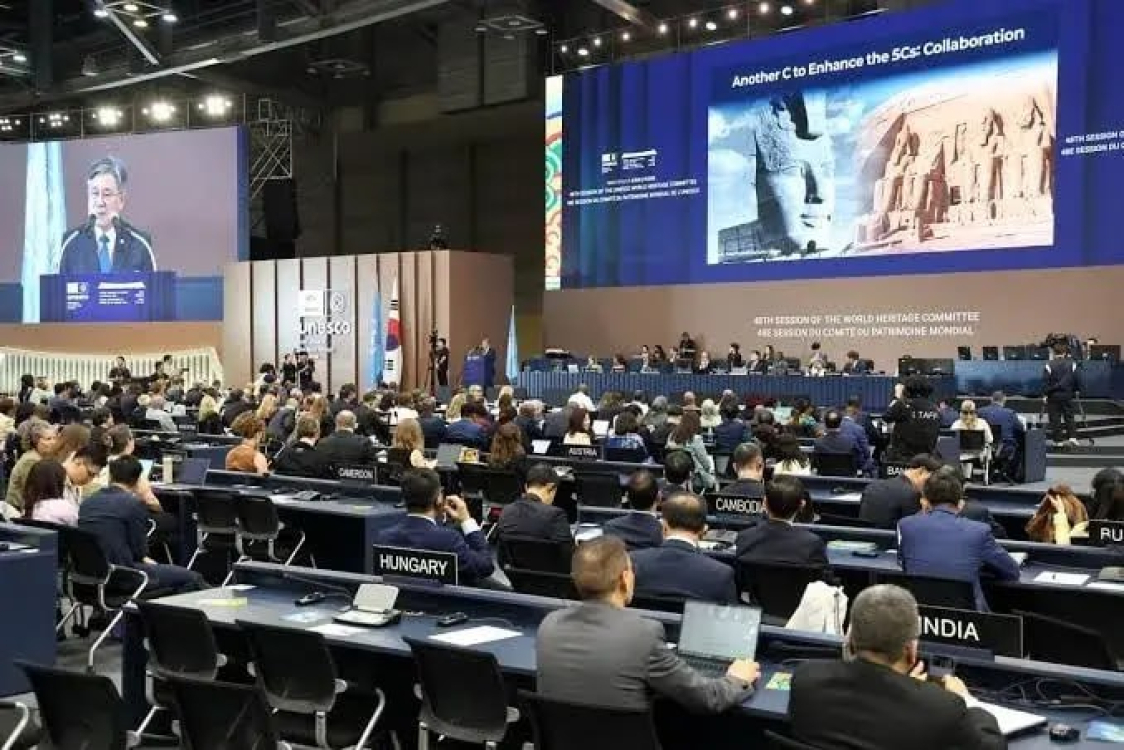
Turkmenistan is represented at the 48th session of the UNESCO World Heritage Committee
26.07.2026A delegation from Turkmenistan is taking part in the 48th session of the UNESCO World Heritage Committee, which is being held from 19 to 29 July in Busan (Republic of Korea). This was reported by the news website Turkmenportal. The country is represented by Chynar Rustemova, Executive Secretary of the National Commission of Turkmenistan for UNESCO, and Begench Durdyev, Ambassador of Turkmenistan to the Republic of Korea. During the session, participants are discussing issues relating to the conservation of World Heritage sites, reviewing nominations for the inclusion of new sites on the UNESCO World Heritage List, and considering measures to protect sites already inscribed on the List.
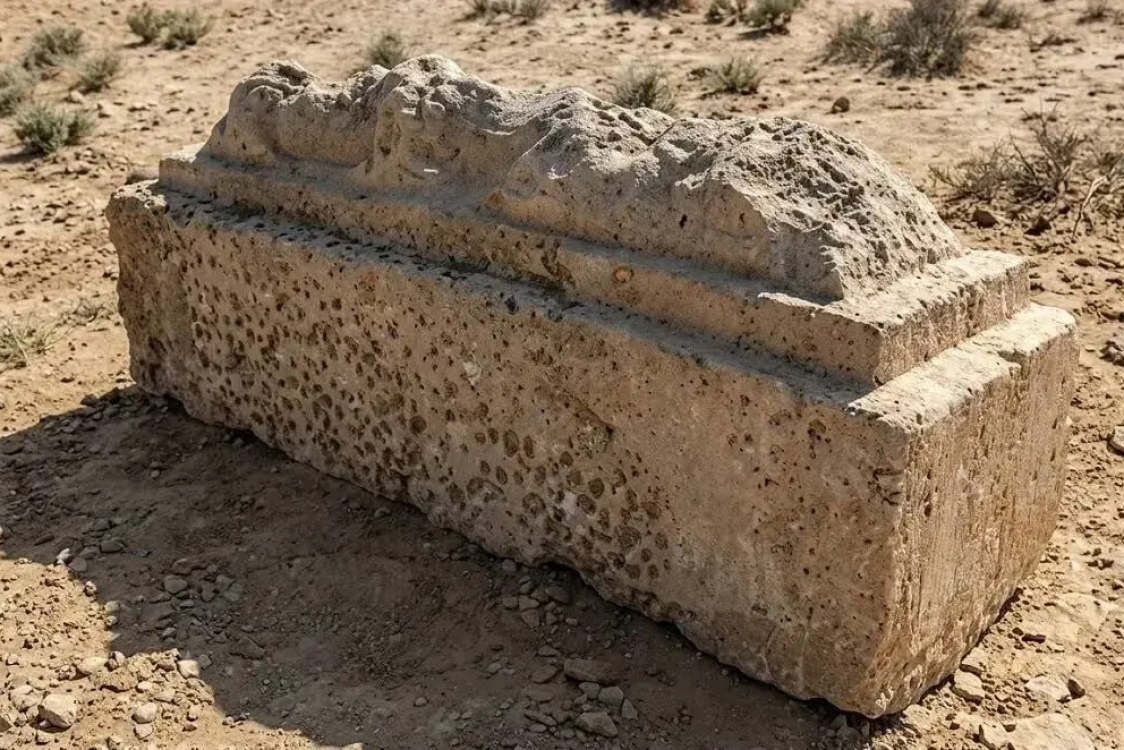
Archaeologists have discovered an early medieval monument in Turkmenistan
26.07.2026In the Balkan velayat, archaeologists have discovered a new historical site dating from the early Middle Ages. The find, made near the Gozli Ata mausoleum, has been identified as part of an ancient Oguz complex, according to the news website Turkmenportal. At the centre of the complex stands a stone stepped tombstone featuring a bas-relief depicting the outline of a head. Experts believe it may have belonged to one of the spiritual mentors of the early Islamic period. A stone slab was also discovered nearby, featuring two holes for fastening and a carved ornament in the shape of wings, which is considered a traditional Sufi symbol. The excavations near the Gozli Ata mausoleum were organised following a report by Oregylych Amanov, a resident of the village of Akguyy in the Turkmenbashi etrap.
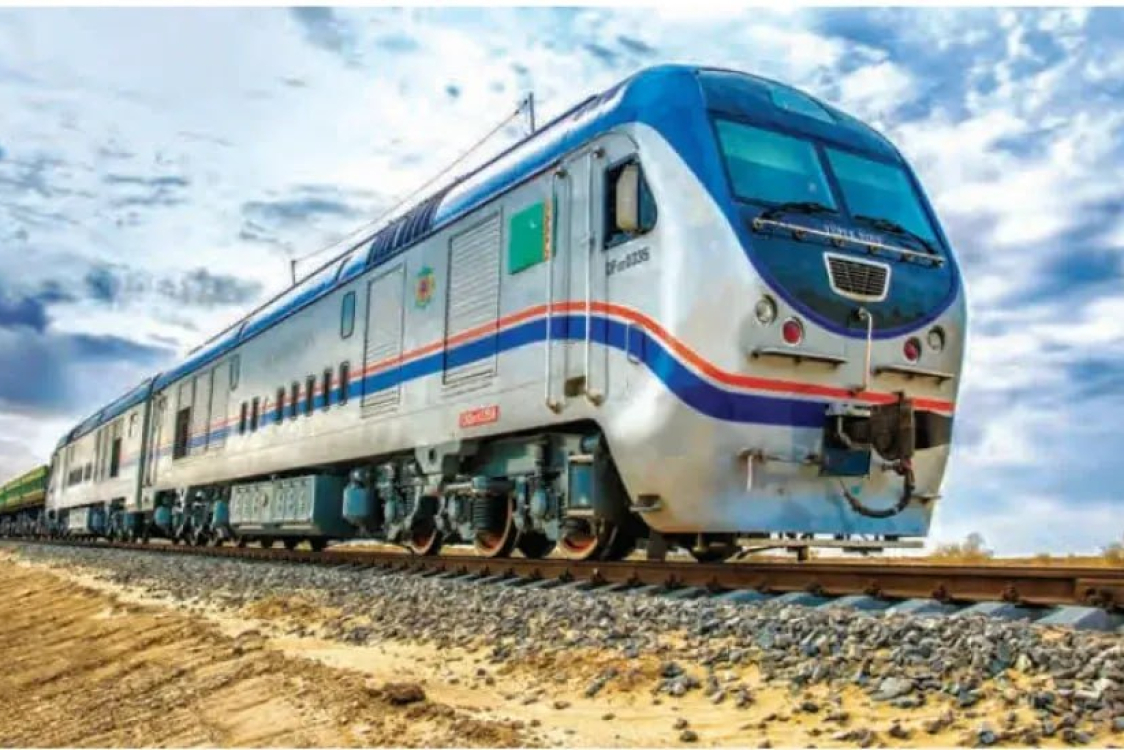
New, modern railway stations are to be built in Turkmenistan
26.07.2026On 24 July, during a government meeting, Deputy Chairman of the Cabinet of Ministers Batyr Annayev reported on measures to modernise the railway sector. This was reported by the state news agency TDH. As part of the country’s socio-economic development, there are plans to construct modern railway station buildings in the velayats, which will improve the sector’s operational efficiency and enhance working conditions for staff. Having heard the report, the President of Turkmenistan, Serdar Berdimuhamedov, approved the proposals to build new railway stations in the Ahal, Balkan and Mary velayats and instructed the Deputy Prime Minister to ensure the project’s implementation.
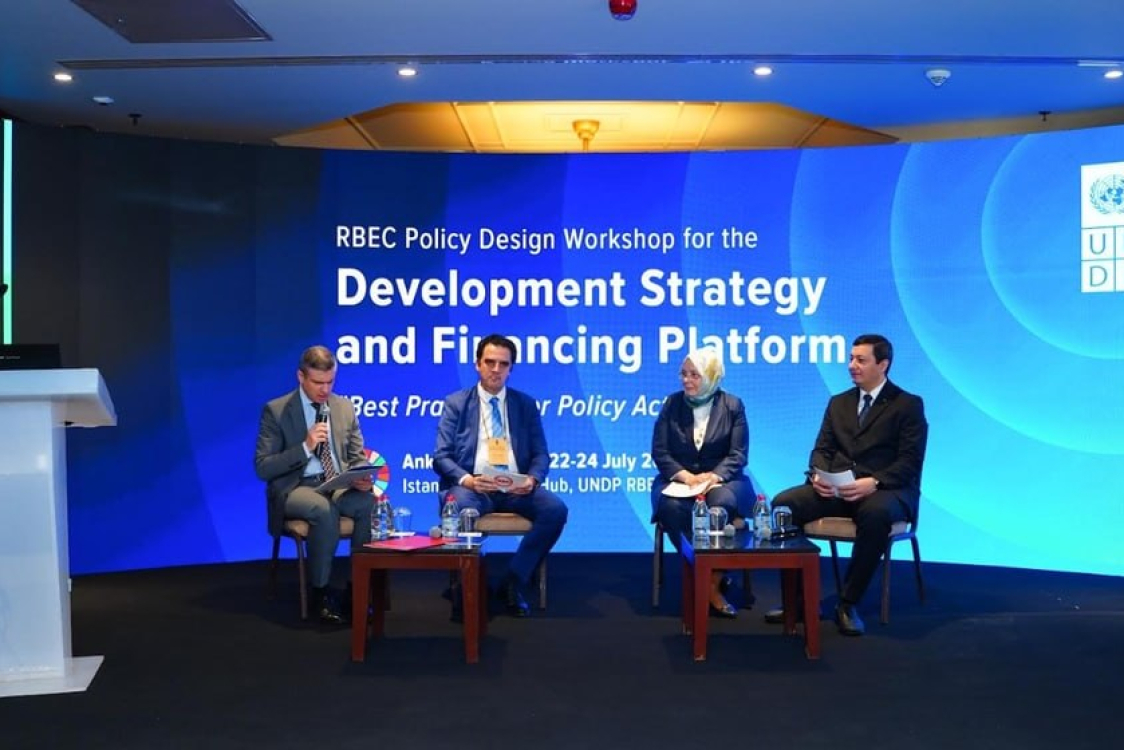
Turkmenistan presented its human capital development strategy in Ankara
25.07.2026Turkmenistan presented its approach to human capital development at a UNDP regional seminar held on 22–24 July in Ankara. The main emphasis was placed on the role of education and skills development as key factors in economic transformation, according to the press office of the Ministry of Education of Turkmenistan. The country has expanded access to higher education, updated educational standards and introduced a digital system for evaluating higher education institutions. In collaboration with the UNDP, a strategic human capital planning system is also being developed, which will enable the quality of education, demographic trends and the training of specialists to be aligned with the needs of the labour market. In addition, a demographic and economic model and software for scenario-based forecasting were presented, which help to assess the impact of decisions in the fields of education, employment and skills development on the economy. According to the Turkmen side, this approach will enable human potential to be utilised more effectively to boost productivity, foster innovation and ensure sustainable economic growth.
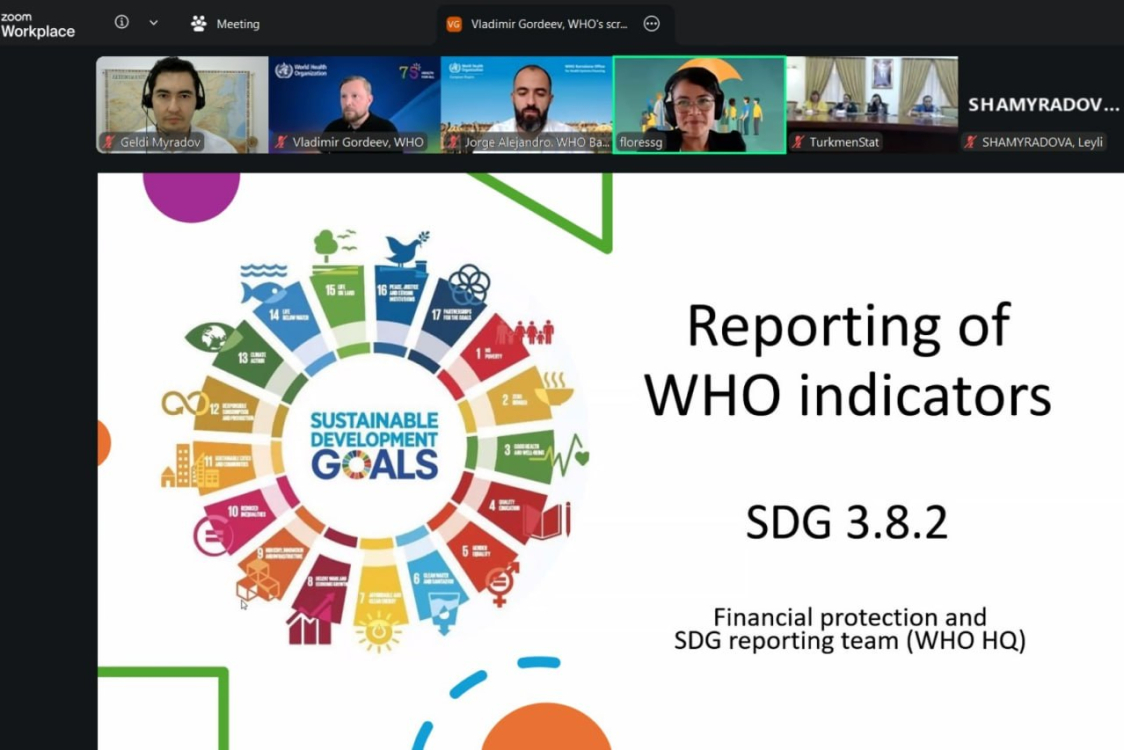
A meeting was held in Ashgabat to discuss the monitoring of SDG indicators in the healthcare sector
25.07.2026In Ashgabat, representatives of the relevant ministries and departments of Turkmenistan held a working meeting with experts from the WHO, UNICEF and UN agencies. This was reported by the Orient news agency. The parties discussed improving statistical reporting methodologies as part of the implementation of the Sustainable Development Goals. The event, organised with the support of the Office of the UN Resident Coordinator, is taking place as part of the preparations for Turkmenistan’s third Voluntary National Review. The participants examined issues relating to the harmonisation of national and international approaches to measuring SDG 3 indicators, paying particular attention to the quality, comparability and completeness of health data. Following the meeting, the parties confirmed their readiness for further technical cooperation.
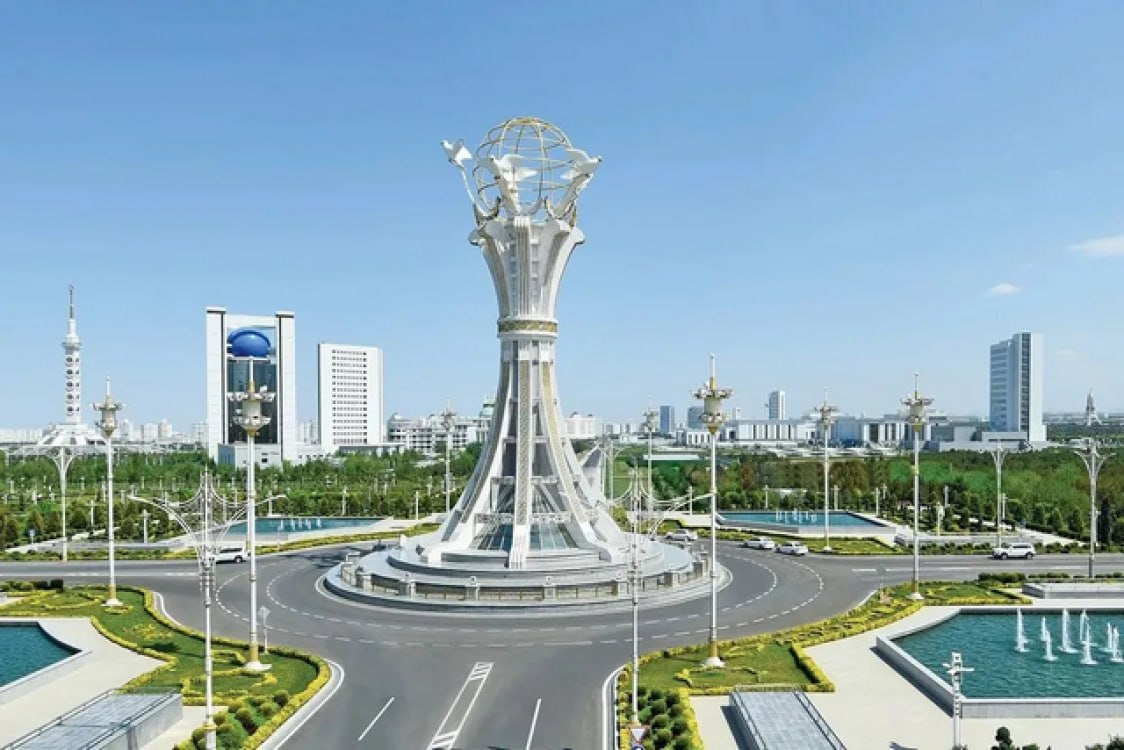
‘Green’ technologies and digitalisation: Turkmenistan prepares for an investment forum
25.07.2026The Turkmenistan Investment Forum is to be held in Ashgabat this October. Deputy Chairman of the Cabinet of Ministers H. Geldimyradov reported on the progress of preparations for this event at a meeting of the Cabinet of Ministers of Turkmenistan held on 24 July. According to the news agency TDH, the forum and accompanying events are set to address issues relating to the country’s economic development, enhancing Turkmenistan’s investment appeal, as well as the prospects for the fuel and energy and industrial sectors, and the development of transport and communications systems. Key topics on the agenda include the digital and ‘green’ transformation of the economy, the introduction of digital financial technologies, the development of agribusiness, the sustainability of agriculture in the face of climate change, and environmental protection. In addition, forum participants will consider issues relating to the expansion of trade and the services sector, the development of public-private partnerships, cooperation with international financial institutions, and the further diversification of the economy. Following the report, a corresponding proposal was submitted to President Serdar Berdimuhamedov of Turkmenistan for consideration. The Head of State emphasised the importance of efforts to attract foreign investment and strengthen international cooperation in this area, approved the holding of the Turkmenistan Investment Forum in October, and instructed that preparatory work should continue.
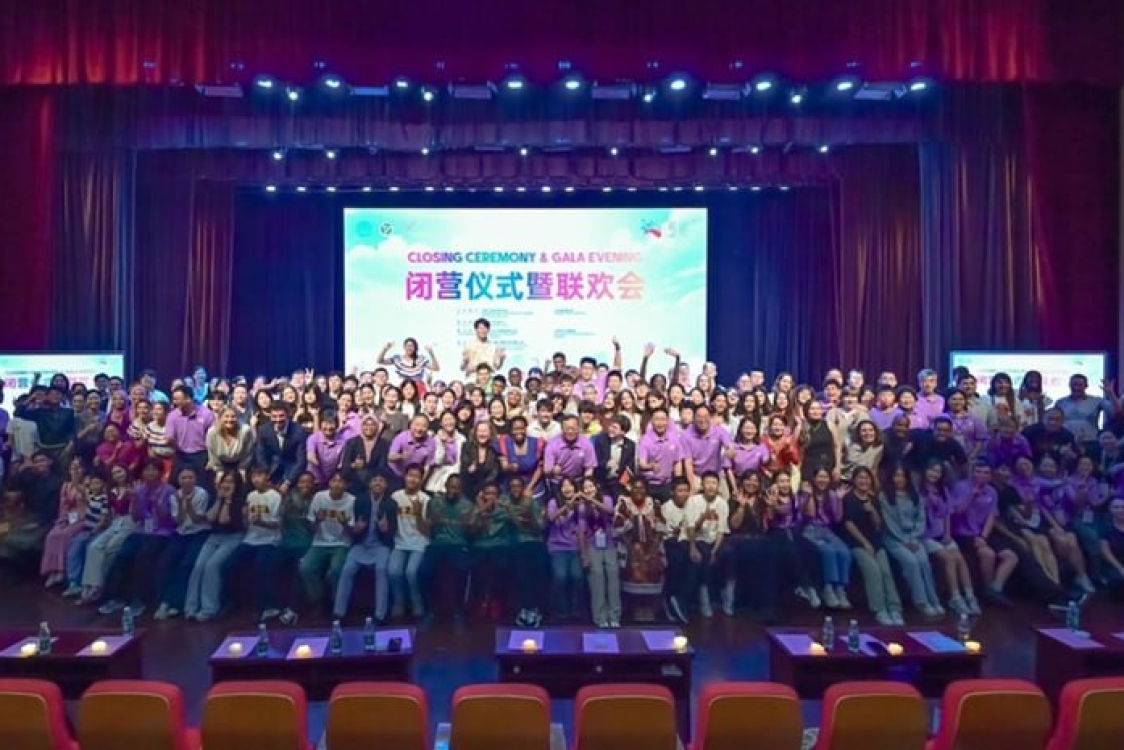
Schoolchildren from Turkmenistan took part in an international camp in Shanghai
25.07.2026From 12 to 22 July, school pupils from the Turkmenistan delegation took part in the 20th Shanghai International Youth Interactive Friendship Camp, held in Shanghai (People’s Republic of China). This was reported by the press office of the Ministry of Education of Turkmenistan. A total of 107 school pupils from 17 countries took part in the event. The camp programme was aimed at promoting cultural exchange, strengthening friendly ties and fostering mutual understanding among young people from different countries. As part of the ‘Mini-Expo’ cultural exhibition, representatives from Turkmenistan presented a national stand featuring exhibits reflecting the country’s historical and cultural heritage. Participants at the event were introduced to examples of national dress, Turkmen carpets, traditions and other elements of the nation’s material and spiritual heritage. During the ten-day programme, the school pupils visited Shanghai’s sights, took part in sessions on traditional Chinese medicine and attended masterclasses on making silk fans in the city of Suzhou. The Turkmen delegation’s participation in the international camp helped to expand educational and cultural ties, as well as to strengthen cooperation between Turkmenistan and the People’s Republic of China in the field of youth policy.
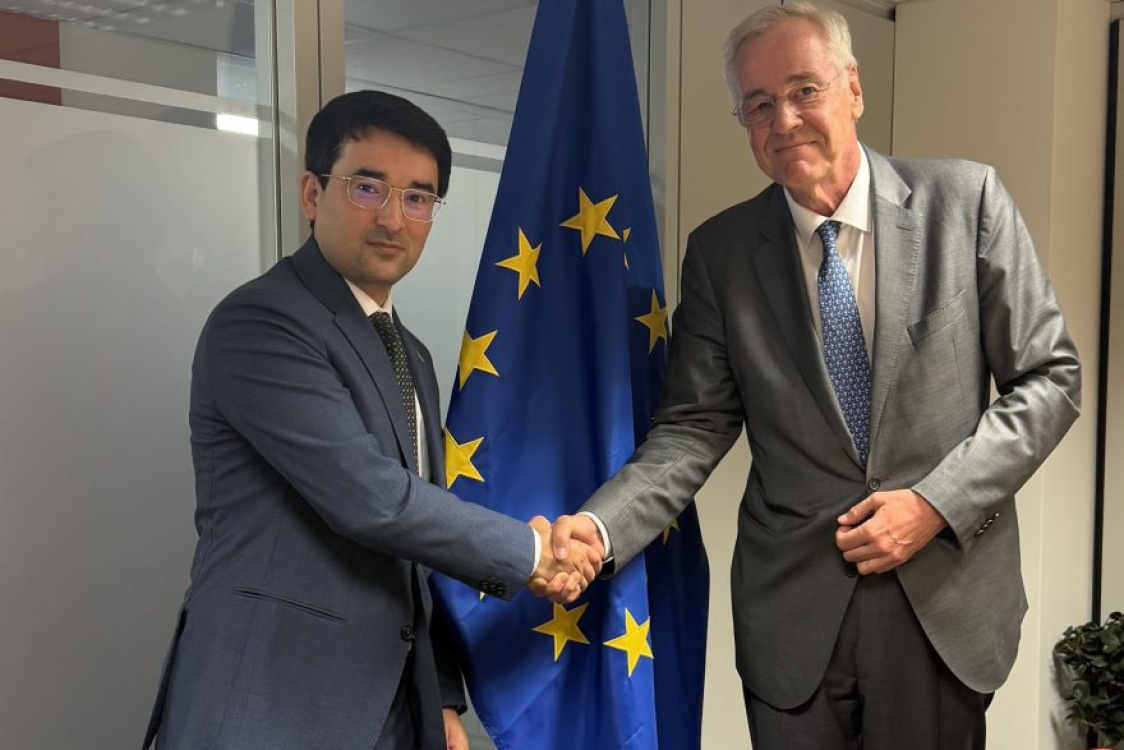
Turkmenistan and the EU discussed the prospects for partnership in the field of migration
25.07.2026Sapar Palvanov, Ambassador of Turkmenistan to Belgium, met with Johannes Luchner, Deputy Director-General of the European Commission’s Directorate-General for Migration and Home Affairs (DG HOME). This was reported by the press office of the Turkmen diplomatic mission. The parties discussed cooperation in the areas of migration, visa policy and the protection of citizens’ rights abroad. The Turkmen side proposed establishing working-level cooperation between the State Migration Service of Turkmenistan, DG HOME and the relevant authorities of EU countries to facilitate the prompt exchange of information. In addition, the negotiation covered EU mechanisms for issuing multiple-entry Schengen visas, as well as Turkmenistan’s consultations with the Benelux countries regarding the abolition of visas for holders of diplomatic and service passports. Issues relating to participation in European programmes to combat human trafficking, within the framework of the National Action Plan of Turkmenistan for 2025–2029, were also raised. Furthermore, the parties discussed the prospects for drafting an Enhanced Partnership and Cooperation Agreement between Turkmenistan and the EU. The European Commission representative confirmed DG HOME’s readiness to provide expert advice and exchange information with the Turkmen side.

The Turkmenistan National Youth Orchestra is set to make its debut at ‘Young Euro Classic’
25.07.2026The Turkmenistan National Youth Symphony Orchestra, conducted by Maestro Rasul Klychev, is set to perform at the ‘Young Euro Classic’ festival in Berlin. This was reported by the news agency Orient. The orchestra’s concert will take place on 9 August at the renowned Konzerthaus Berlin. The programme will feature outstanding works of Turkmen classical music, including compositions by Chary Nurymov, Veli Muhatov and Nury Halmamedov — composers whose work holds a special place in the nation’s cultural heritage. Two German premieres will be the highlights of the evening. The Turkmen orchestra will present works by contemporary composers Aidan Gold and Pierre Thilloy to a German audience for the first time. The performance by the National Youth Symphony Orchestra will form an important part of the international cultural dialogue and will enable European audiences to discover the distinctiveness and richness of Turkmenistan’s musical tradition.
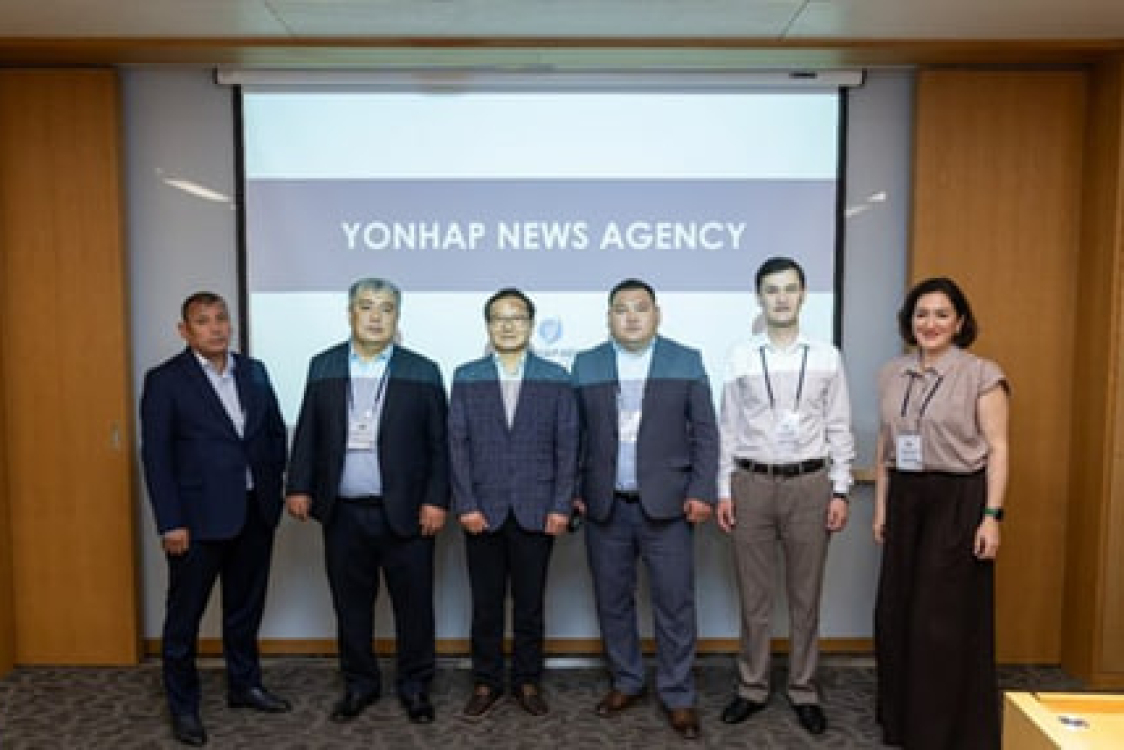
The Yonhap News Agency has expressed an interest in partnering with Turkmenistan
25.07.2026Park Seong-jae, Head of the South Korean news agency Yonhap, has expressed an interest in establishing cooperation with the International Information Centre of Turkmenistan and signing a Memorandum of Understanding. This was reported by the IIC of Turkmenistan. This announcement was made in Seoul during a meeting with a delegation of journalists from Central Asian countries, who had arrived as part of a special programme ahead of the ‘Central Asia–Republic of Korea’ summit. During the meeting, the parties discussed the prospects for developing bilateral relations. The head of Yonhap noted the importance of expanding the exchange of information with the Turkmen media and emphasised that the signing of the agreement could be the next step in strengthening the partnership. Cooperation with one of South Korea’s largest media groups is seen as an opportunity to expand the presence of Turkmen media in the international information sphere.
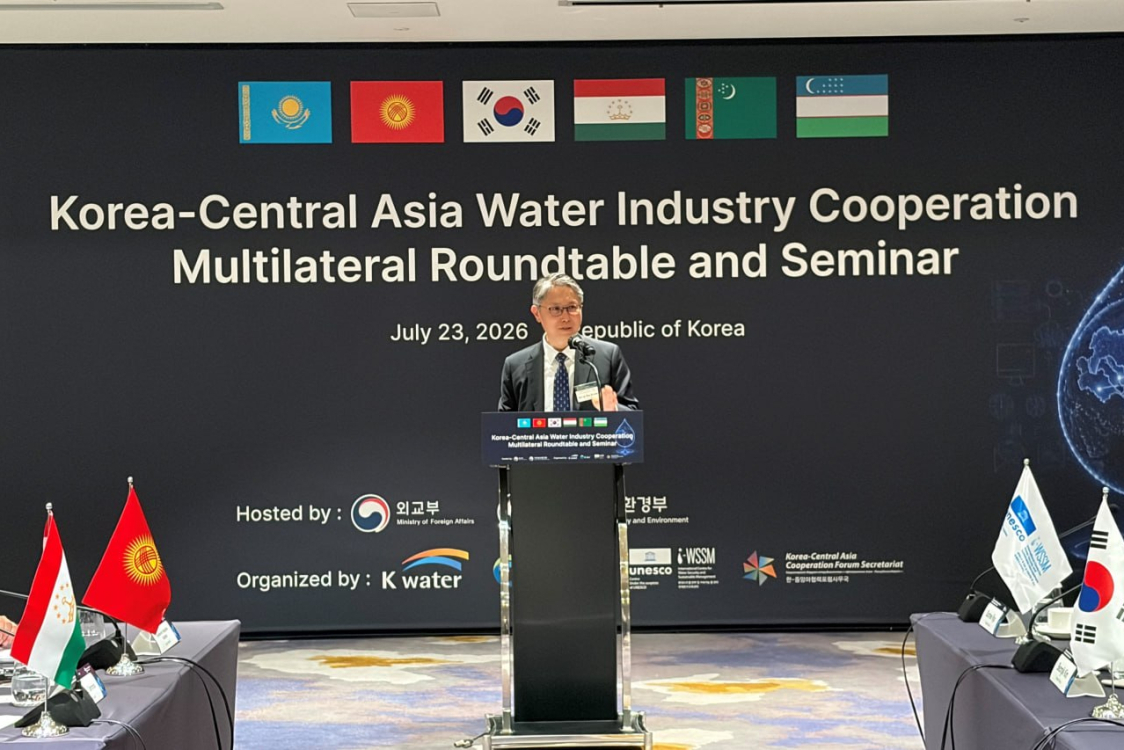
Seoul has presented Ashgabat with digital solutions for water resource management
25.07.2026An inter-ministerial visit by a Turkmenistan government delegation to Seoul, focused on developing cooperation with the Republic of Korea in the field of water management, has come to an end. This was reported by the Orient news agency. The main focus was on the introduction of South Korean digital technologies into Turkmenistan’s water resource management and preparations for the ‘Central Asia–Republic of Korea’ Summit in September. The Turkmen delegation familiarised itself with the operations of ‘K-water’ facilities, the modern Hwason water treatment plant and the hydraulic infrastructure of the Gyeongin-Ara Canal, and also examined solutions offered by South Korean companies in the fields of digital monitoring, water loss reduction and automated filtration. The visit took place in parallel with a multilateral meeting on cooperation in the water sector between Korea and the countries of Central Asia. Following the negotiations, the parties confirmed their intention to move towards the implementation of joint projects, including the supply of high-tech equipment and the construction of facilities. The cooperation between Ashgabat and Seoul, launched as part of a public-private partnership, lays the foundation for new investment and environmental initiatives.
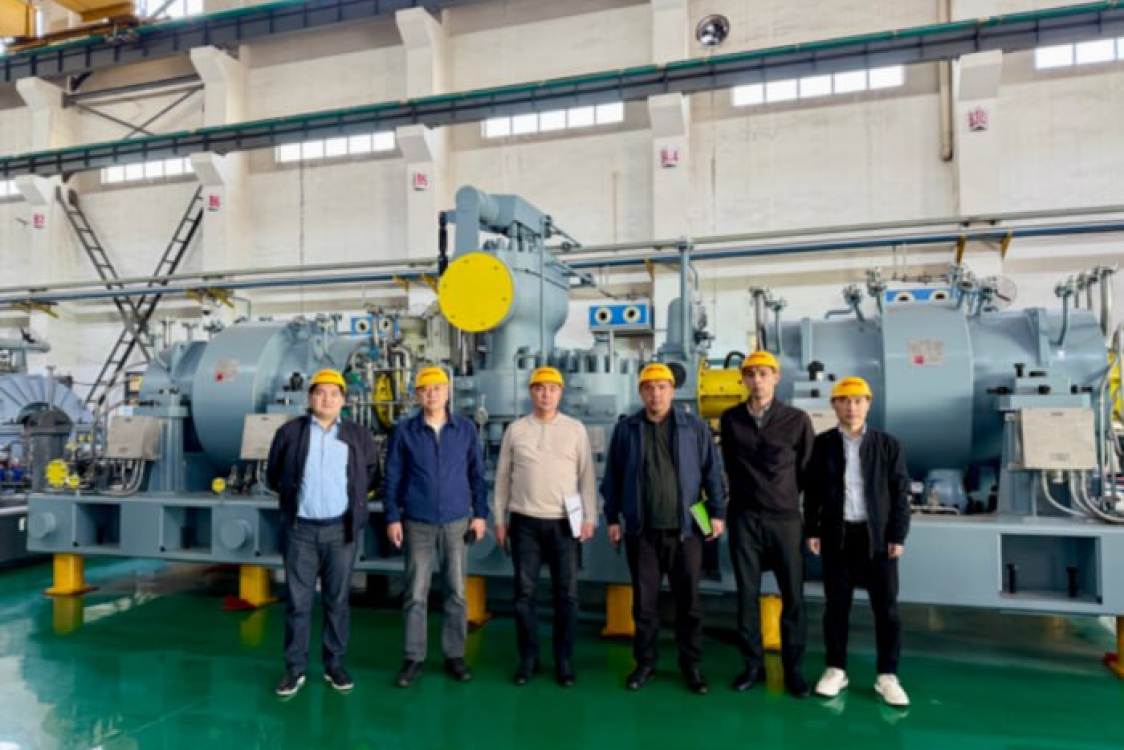
‘NEW JCM’ is to carry out maintenance on gas turbines in Turkmenistan
25.07.2026The Chinese company ‘NEW JCM’ has signed a contract with the State Concern ‘Türkmengaz’ for the maintenance of eight ‘DG-90L2’ gas turbines. This was reported by the online publication ‘Business Turkmenistan’. The work will be carried out at two compressor stations operated by ‘Daşoguzgazakdyryş’. The contract, awarded following an international tender, provides for the restoration of the turbines’ operational performance. To take part in the project, ‘NEW JCM’s specialists developed a bespoke technical solution, whilst representatives of the State Concern ‘Türkmengaz’ visited the company’s production facilities in China. ‘NEW JCM’ noted that the agreement strengthens the company’s position in the Central Asian market. At the same time, the company has secured a contract to service a 15 MW gas turbine in Kazakhstan and is continuing to develop its gas turbine maintenance services.
Read also
Advertising

 Read us in Zen


