



Society
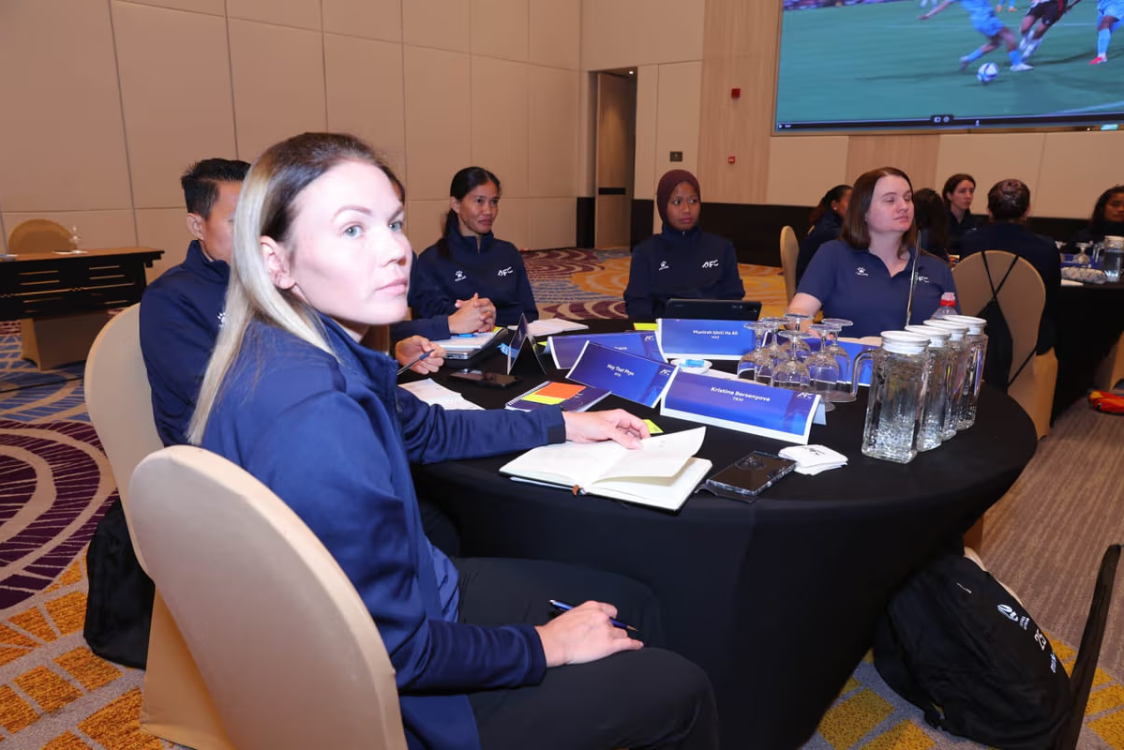
Kristina Bersenyova has been invited to referee AFC Champions League matches
08.08.2026A conference organised by the Asian Football Confederation for elite female referees and assistant referees was held in Malaysia. Kristina Bersenyova, an international referee from Turkmenistan, took part in the event, according to IIC Turkmenistan. The participants underwent testing on the laws of the game and physical fitness. The Turkmen referee successfully met all the standards. Following the conference, Kristina Bersenyova received an invitation to officiate matches in the AFC Women’s Champions League.
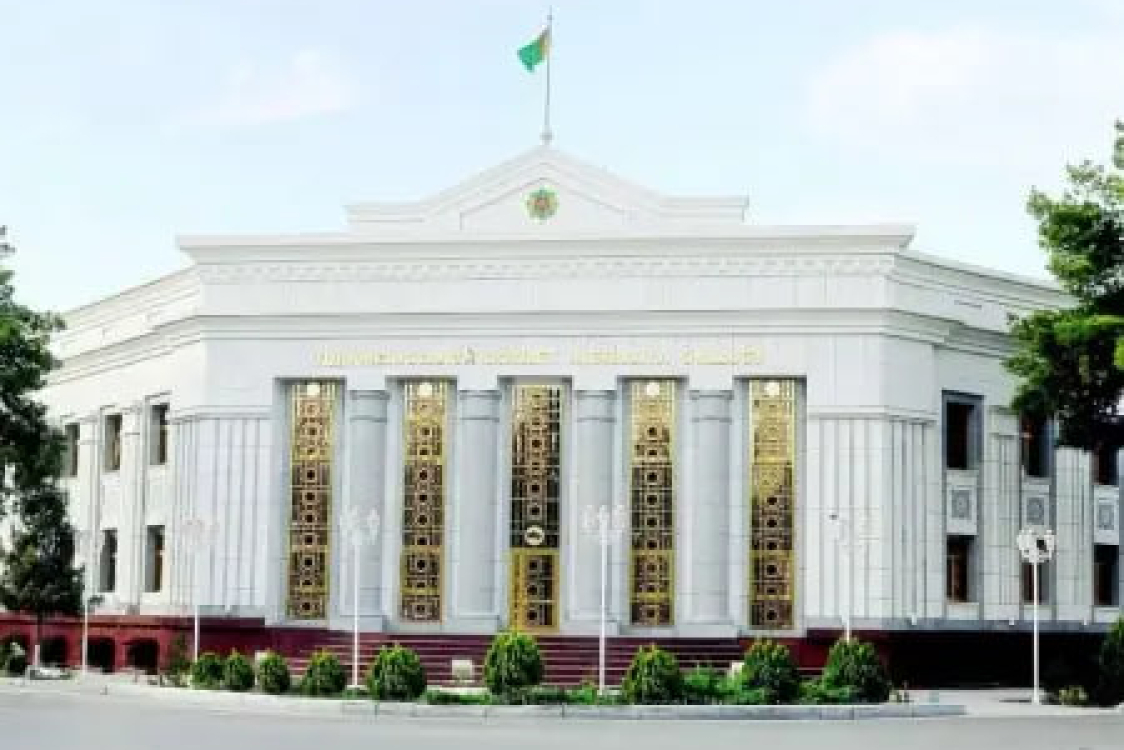
A new digital system will simplify the registration of foreign nationals in Turkmenistan
08.08.2026The State Migration Service of Turkmenistan has launched a digital platform for the registration of foreign nationals. This was reported by the IIC of Turkmenistan. The new service enables foreign nationals and the individuals and organisations hosting them to register online without having to visit the Service’s offices. The introduction of the platform is aimed at simplifying migration procedures, reducing processing times and developing electronic document management.
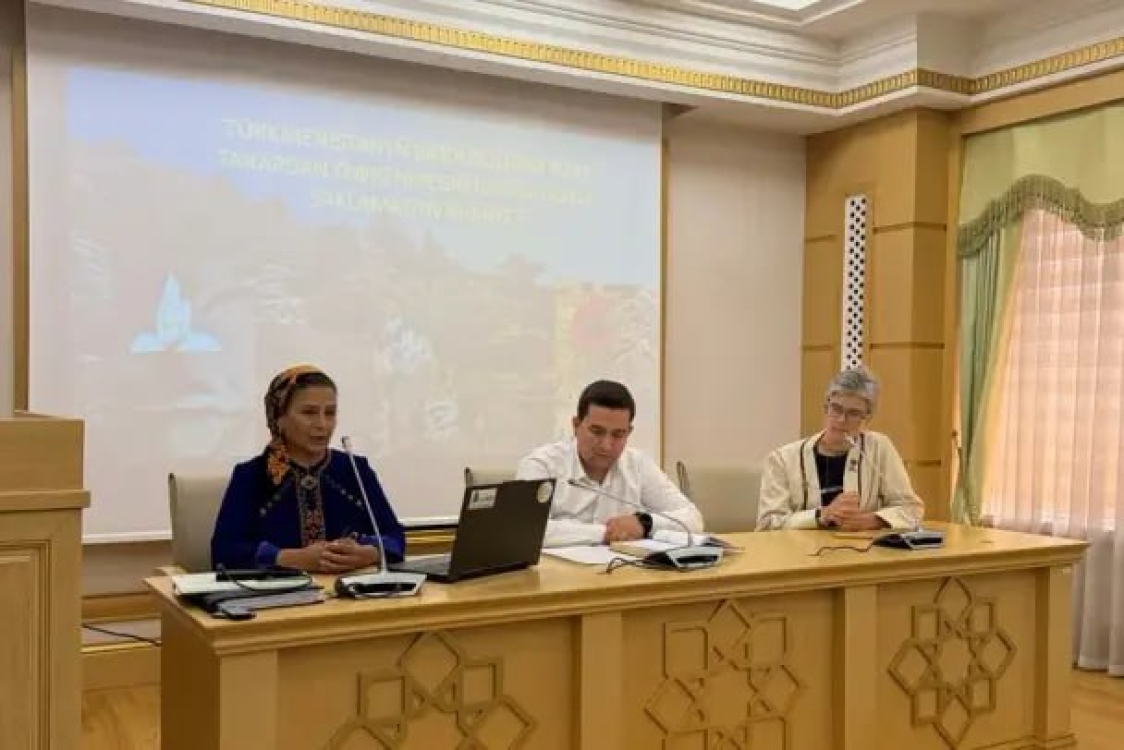
World Ranger Day was celebrated in Ashgabat
08.08.2026World Ranger Day was marked in Ashgabat. The event took place on 6 August in the auditorium of the Hydrometeorological Service of the Ministry of Environmental Protection of Turkmenistan, according to the news website Turkmenportal. Experienced inspectors from each state nature reserve and the provincial environmental protection departments were invited to attend. Participants shared their experiences of nature conservation work and presented the results of their efforts to preserve biodiversity using camera traps and other modern approaches. Following the meeting, outstanding inspectors were awarded valuable gifts and certificates. The event was organised by the Ministry of Environmental Protection of Turkmenistan and Conservation X Labs.
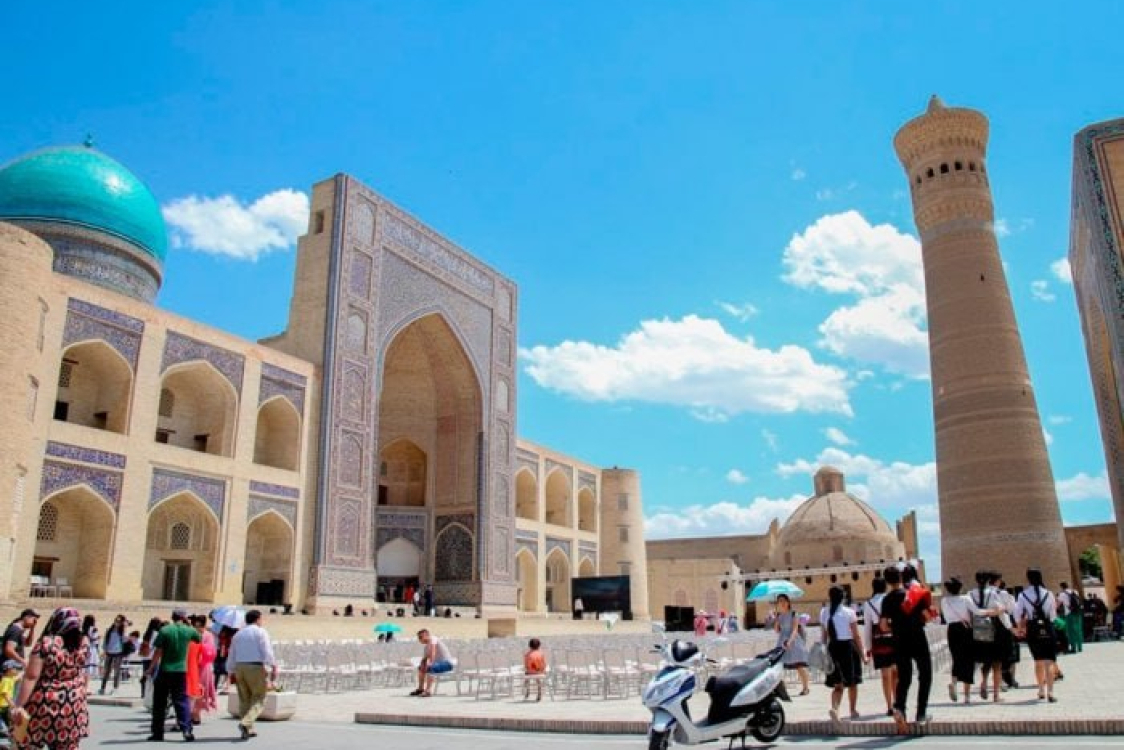
Turkmenistan and Uzbekistan are developing ethnographic tourism in Bukhara
08.08.2026Plans are afoot to build a new cultural and tourist complex called ‘Little Turkmenistan’ in the Uzbek city of Bukhara. This was reported by the online publication ‘Business Turkmenistan’. The prospects for the project were discussed at a working meeting between the Deputy Chair of Uzbekistan’s Committee on Tourism and representatives of the Turkish investment company ‘Finwest Finance Company’, the Eurasian Union of Local Authorities, and the Uzbek-Turkmen joint venture TURKMEN HALY LLC, which specialises in the production and promotion of traditional Turkmen carpets. The future complex will be dedicated to the culture of Turkmenistan — visitors will be able to learn about the history, traditions and crafts of the Turkmen people. The creation of the complex is part of a trend towards the development of ethnographic and cultural tourism in Central Asia, where, instead of individual souvenir shops or temporary exhibitions, fully-fledged spaces are being created to introduce visitors to the cultures of neighbouring countries.
Turkmenistan has invited French horse breeders to the World Championships
07.08.2026On 5 August 2026, Ambassador of Turkmenistan M. Charyev held an online meeting with Nicolas Menu, President of the Ahal-Teke France Association, and Héloïse Ghirardi, Vice-President of the association. This was reported by the news website Turkmenportal. The parties discussed preparations for the World Equestrian Championships and the Ahal-Teke beauty contest. The events will take place on 4–6 September 2026 in Kronenberg (the Netherlands). The Ambassador provided an update on preparations for the championships and invited the association’s leadership and members to take part in the competitions. Representatives of the association expressed their gratitude for the invitation and confirmed the interest of French owners of Ahal-Teke horses in taking part in the competitions. There are around 300 Ahal-Teke horses in France.
Measures to support breastfeeding have been proposed in Turkmenistan
07.08.2026Oguljahan Atabayeva, Vice-President for Medical Services at the Gurbanguly Berdimuhamedov Charitable Foundation for Assistance to Children in Need of Guardianship, proposed a number of initiatives to support breastfeeding at a high-level national ‘round table’. The forum was organised by the Charitable Foundation and the Office of the United Nations Children’s Fund (UNICEF) in Turkmenistan, according to the news agency ‘Turkmenistan: Golden age’. In her speech, she emphasised the need to provide women with high-quality advice and practical support during pregnancy, childbirth and the postnatal period. ‘Investing in breastfeeding is an investment in the future of the nation. Supporting breastfeeding enhances child protection, improves children’s nutrition and promotes their full development, strengthens mothers’ health, reduces healthcare costs, and makes a significant contribution to building a healthy society,’ said Oguljahan Atabayeva. The Vice-President highlighted the need to develop specific measures to strengthen breastfeeding support systems. Practical steps include organising peer-to-peer counselling sessions involving local mothers. In her view, nurses and lactation consultants could take on the task of training such activists across all regions of the country. Oguljahan Atabayeva also proposed launching an information campaign involving the media to raise public awareness of the importance of breastfeeding and to encourage local businesses to create facilities for breastfeeding mothers in the workplace. ‘Strong will and dedication are essential to achieving these goals. Let us work together for the well-being of children, which begins with breast milk,’ concluded the vice-president of the Charitable Foundation.
Students from Asia visited the Embassy of Turkmenistan in Brussels
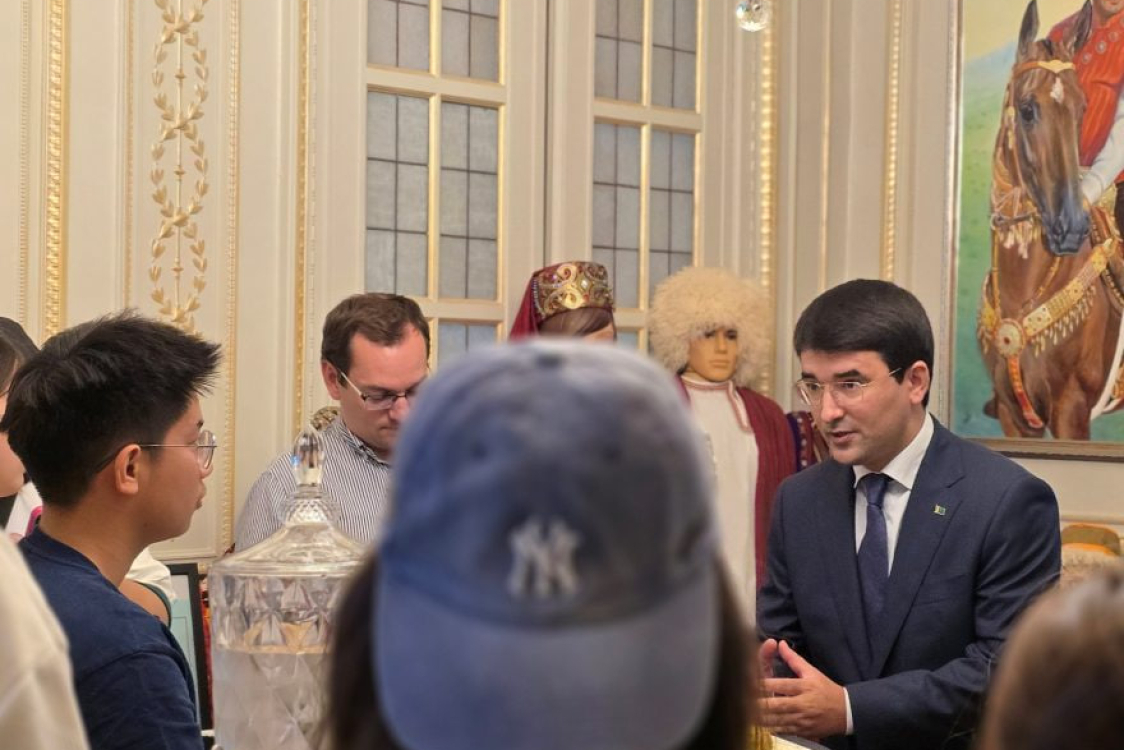
07.08.2026A meeting was held at the Embassy of Turkmenistan in Brussels with a group of 30 students from Asian countries, predominantly from the People’s Republic of China. The young participants in the educational programme had travelled to the Belgian capital to learn about the workings of the European Union’s institutions and diplomatic missions, according to the press office of the Turkmen diplomatic mission. Sapar Palvanov, Turkmenistan’s Ambassador to the Kingdom of Belgium, briefed the guests on the activities of the diplomatic mission, which also represents the country’s interests within the institutions of the European Union. During the meeting, the Ambassador spoke about the history, development and cultural heritage of Turkmenistan, as well as the fundamental principles of the country’s foreign policy, which is based on permanent neutrality, peacefulness, mutual respect and good-neighbourliness. Particular attention was paid to Turkmenistan’s international initiatives aimed at strengthening Peace and Trust and sustainable development. It was noted that the country advocates resolving pressing issues through political and diplomatic means and is developing cooperation with states and international organisations. The students were also provided with information on the 35th anniversary of Turkmenistan’s independence and the motto for 2026: ‘Independent Neutral Turkmenistan − the Homeland of Purposeful Winged Horses’. The role of Ahal-Teke racehorses in the history and culture of the Turkmen people was highlighted separately. The guests were briefed on preparations for the international equestrian and cultural events to be held in September 2026 in the Netherlands. The meeting also covered issues relating to Turkmenistan’s state policy, social protection of the population and the activities of the Halk Maslahaty of Turkmenistan. The students were briefed on the forthcoming session of this socio-political institution, scheduled for September this year. The meeting concluded with a quiz on the history, culture and foreign policy of Turkmenistan. The winners were presented with commemorative gifts, the main one being a traditional Turkmen carpet. During the discussion, the students asked questions about the work of diplomats, Turkmenistan’s relations with the European Union and the country’s international initiatives. The Embassy organises such meetings to foster intercultural dialogue and broaden young people’s knowledge of Turkmenistan.
Experts from Turkmenistan are taking part in a training course on the glaciers of the Tien Shan
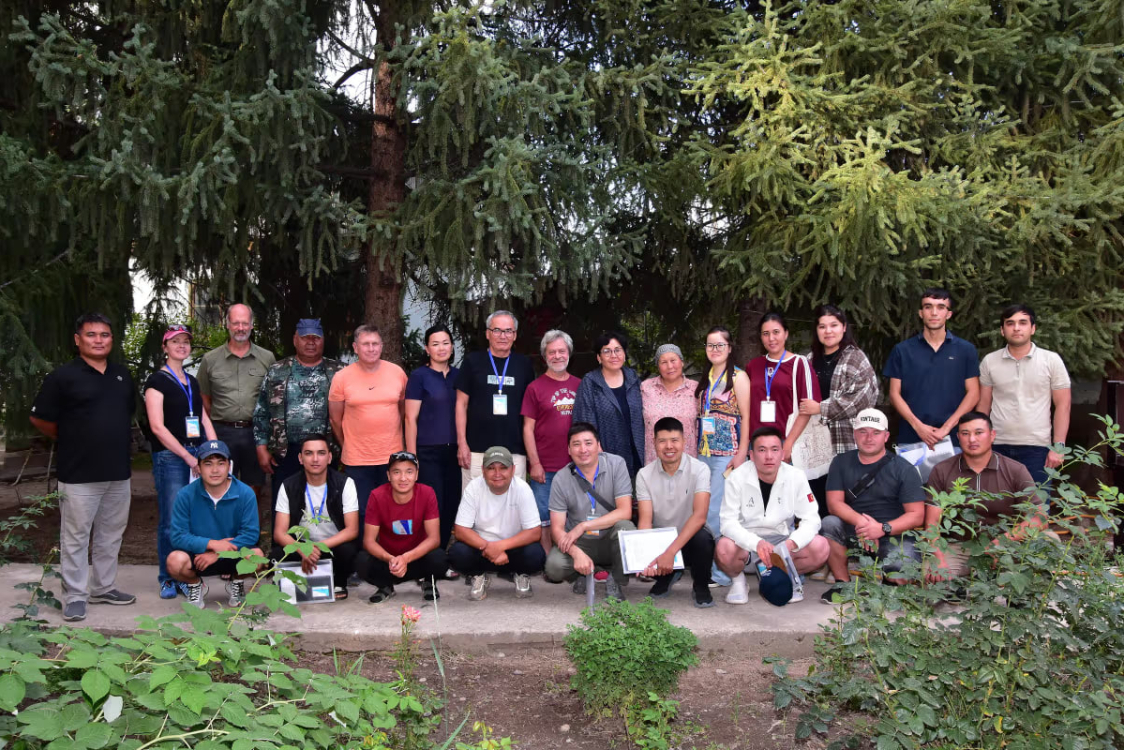
07.08.2026Young professionals from Turkmenistan are taking part in the International Summer School on data collection methodologies for modelling changes in glaciation in the inner Tien Shan. This has been reported by IIC of Turkmenistan. The course is taking place from 3 to 8 August at Lake Issyk-Kul, with the participation of experts in hydrology, meteorology, glaciology and ecology from Central Asian countries. The programme aims to study the consequences of glacier retreat in the region. According to the World Bank, by 2050 the area of glaciation could decrease by approximately one-third, increasing the risk of floods and mudslides. Practical sessions are being held at the Tien Shan International Scientific Centre, including the Chon-Kyzyl-Suu hydrometeorological station and the Kara-Batkak Glacier. Scientists and experts from Kyrgyzstan, Kazakhstan, Russia, France, Belgium and Japan are involved in delivering the sessions. The summer school is being run with the support of the World Bank as part of a regional project to restore sustainable landscapes.
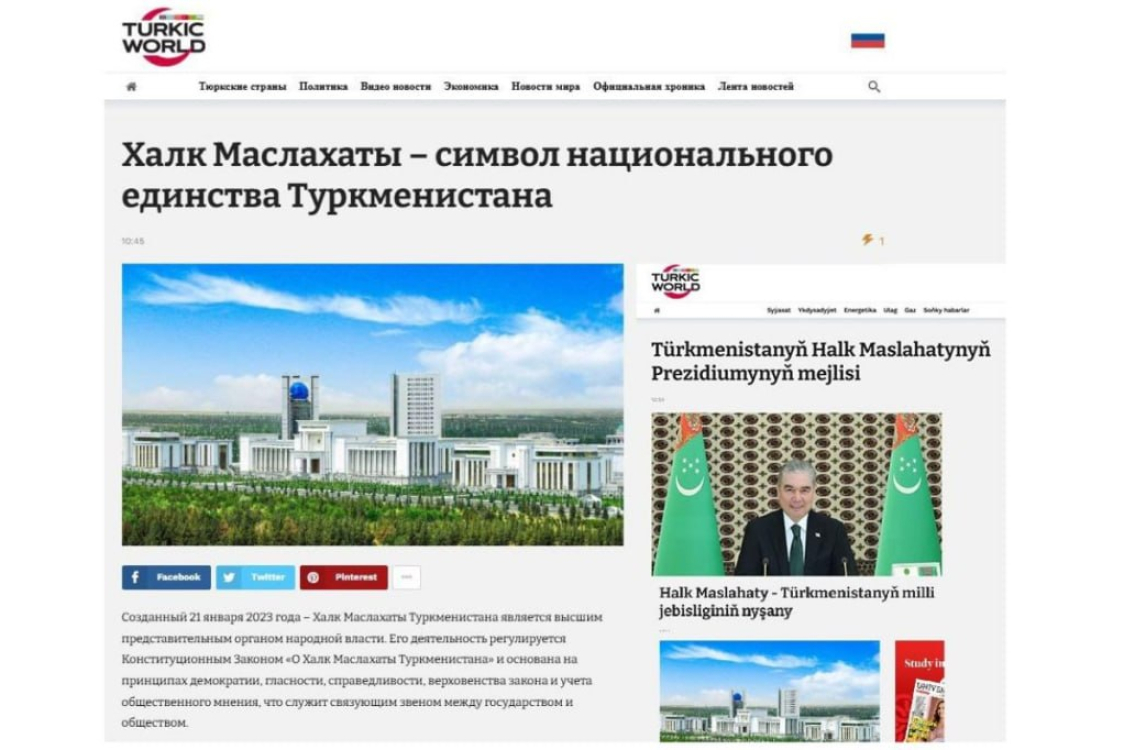
The Embassy of Turkmenistan in Turkey will support media coverage of the Halk Maslahaty of Turkmenistan
06.08.2026The international news portal ‘Turkic World’, with the support of the Embassy of Turkmenistan in Turkey, will begin providing regular coverage of the preparations for and proceedings of the session of the Halk Maslahaty of Turkmenistan. This was reported by the press office of the Foreign Affairs Ministry of Turkmenistan. A special section has been launched on the portal, where official news, information materials and reports on events in the run-up to the session will be published on a regular basis. During the session itself, the section will be promptly updated with material on its proceedings, key speeches, decisions taken and initiatives put forward. The creation of the section is the result of joint work between the embassy and the portal’s editorial team — the aim of the project is to provide comprehensive coverage of the event and to inform the international community about Turkmenistan’s state policy. The materials are available at: https://turkic.world/tm/latest/.
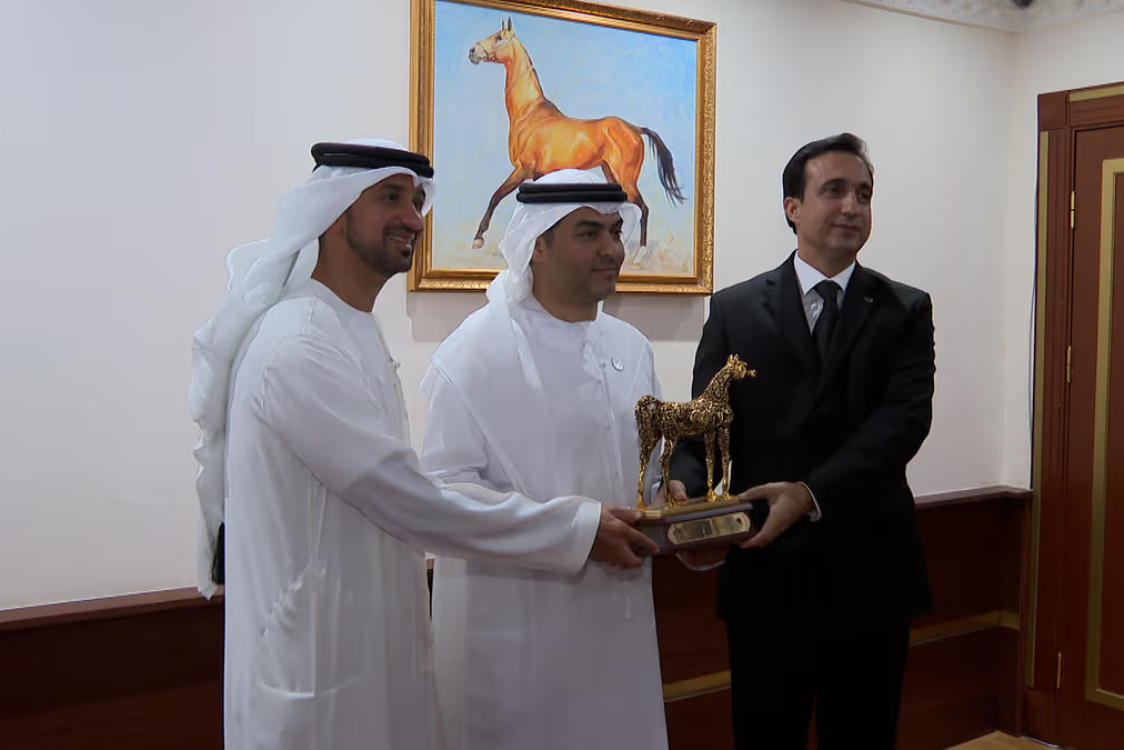
Turkmenistan and the UAE are strengthening ties in the field of horse breeding
06.08.2026A delegation from the Emirates Arabian Horse Society (EAHS) of the UAE, headed by its Director-General, Mohamed Ahmed Al Harbi, has arrived in Ashgabat. The visit is aimed at developing cooperation in the field of horse breeding and strengthening ties between Ahal-Teke and Arabian horse breeding centres, according to IIC of Turkmenistan. The guests were welcomed by the Deputy Director-General of the ‘Türkmen Atlary’ Association and the First Secretary of the relevant department of the Foreign Affairs Ministry of Turkmenistan. On the first day of the visit, the delegation held negotiations at the ‘Türkmen Atlary’ Association, visited the State Museum of Turkmenistan and the Ashgabat Equestrian Complex, where they were introduced to Ahal-Teke racehorses. The Head of the delegation emphasised the importance of exchanging experience in the field of horse breeding. As part of the programme, EAHS representatives will visit the town of Arkadag, where they will learn about the activities of the Aba Annayev International Academy of Horse Breeding and the Research and Production Centre. A performance by the ‘Galkynyş’ national equestrian games troupe at the Gorogly Circus is also planned. The delegation’s visit will last until 7 August.
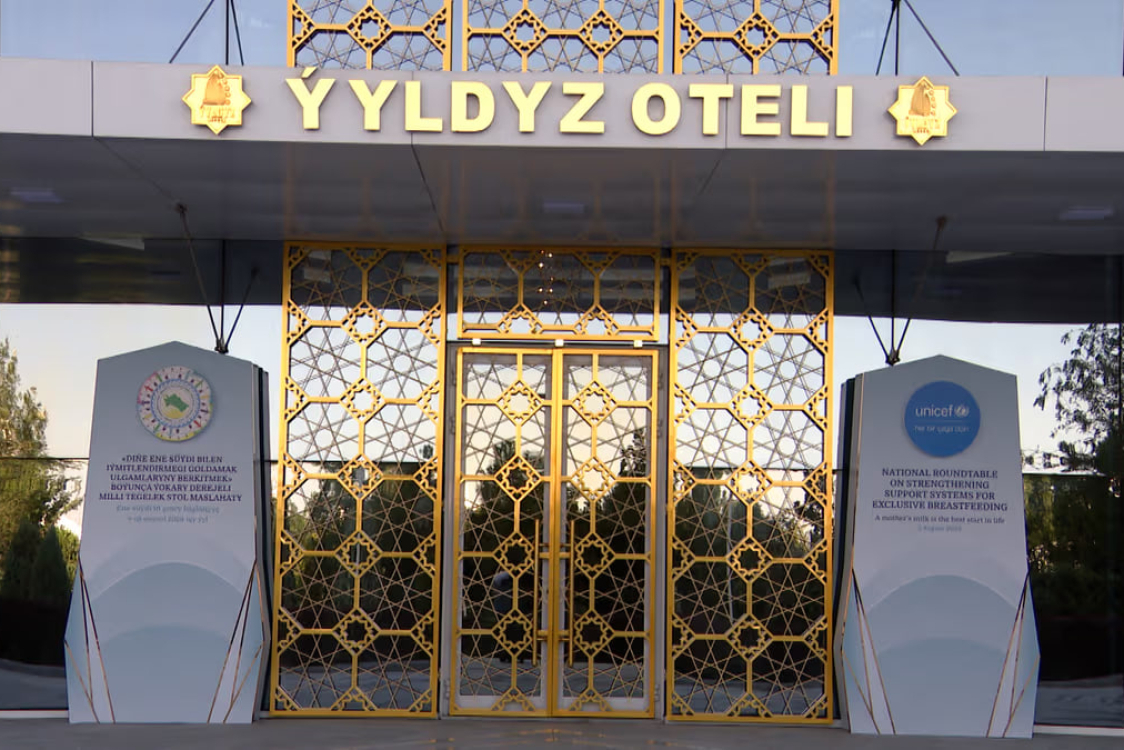
Turkmenistan discusses ways to promote breastfeeding
06.08.2026A high-level national round-table discussion on promoting exclusive breastfeeding took place in Ashgabat. The event, timed to coincide with World Breastfeeding Week, was organised by the Gurbanguly Berdimuhamedov Charitable Foundation in collaboration with the United Nations Children’s Fund (UNICEF), reports AsmanNews. Participants at the forum discussed measures to support breastfeeding and ensure the healthy development of children. Attention also focused on the implementation of the national programme ‘Healthy Mother – Healthy Child – Healthy Future’ and the law on supporting breastfeeding. The forum highlighted the contribution of the Gurbanguly Berdimuhamedov Charitable Foundation to the development of the system for the protection of mothers and children, including the provision of equipment to healthcare facilities and cooperation with the UN. Following the meeting, it was proposed to expand the network of peer counsellors and to engage the business sector in creating favourable conditions for breastfeeding mothers. Participants reaffirmed their intention to continue working together in this area across all regions of the country.
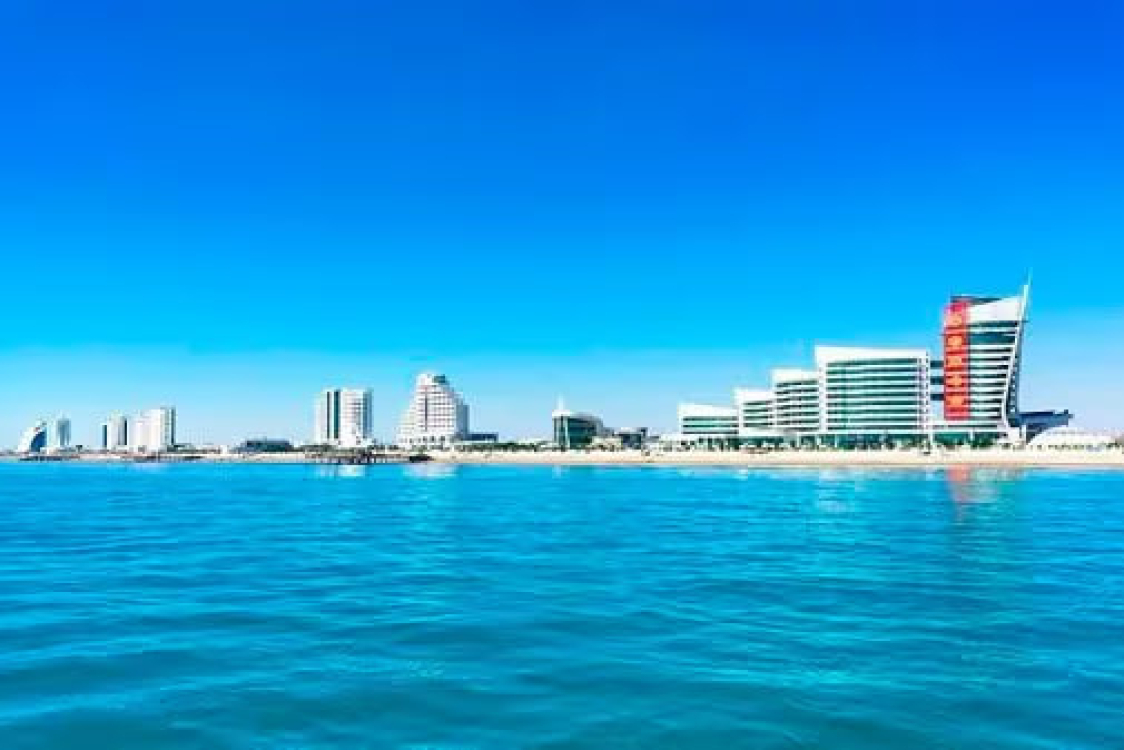
A conference to mark Caspian Sea Day will be held at the ‘Awaza’ National Tourism Zone
06.08.2026On 12 August, the ‘Awaza’ National Tourist Zone will host a scientific and practical conference dedicated to Caspian Sea Day. The event is being organised by the Ministry of Environmental Protection of Turkmenistan, according to IIC of Turkmenistan. The conference will bring together specialists, experts and representatives of government departments to discuss pressing issues relating to environmental protection in the Caspian region. Caspian Sea Day is celebrated annually by the Caspian littoral states with the aim of drawing attention to the conservation of the ecosystem and biodiversity, and the sustainable use of resources in the world’s largest inland body of water.
Read also
Advertising



 Read us in Zen


