

News
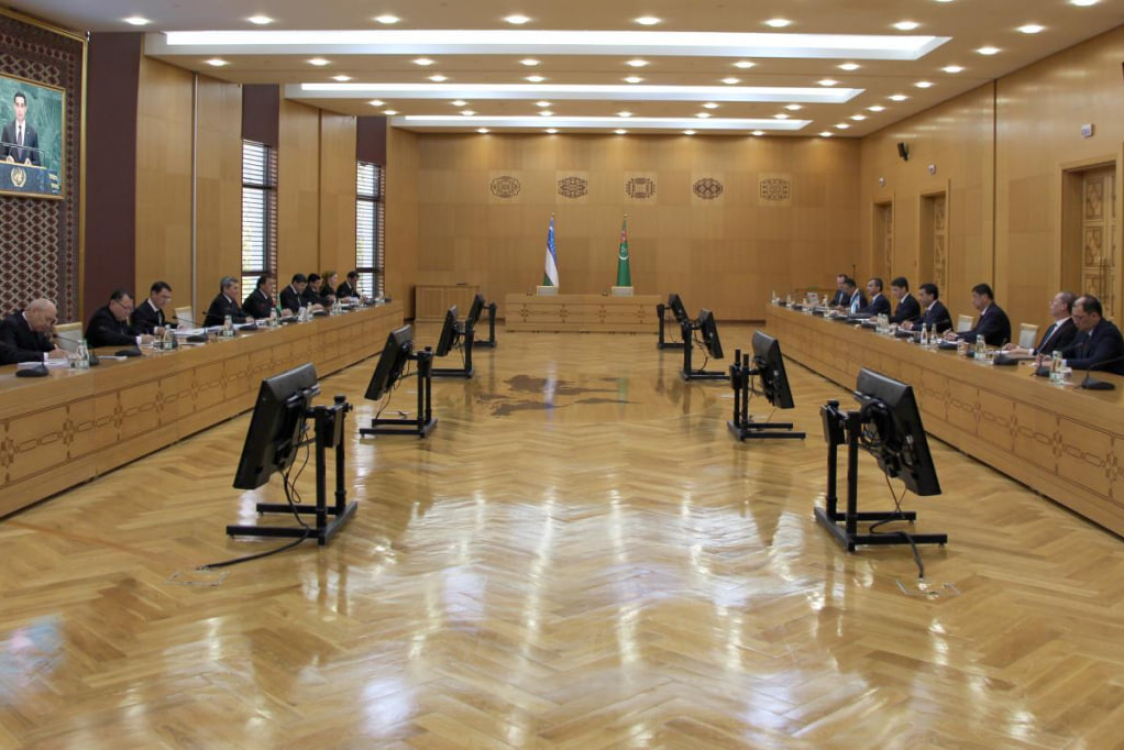
Turkmenistan and Uzbekistan held political consultations in Ashgabat
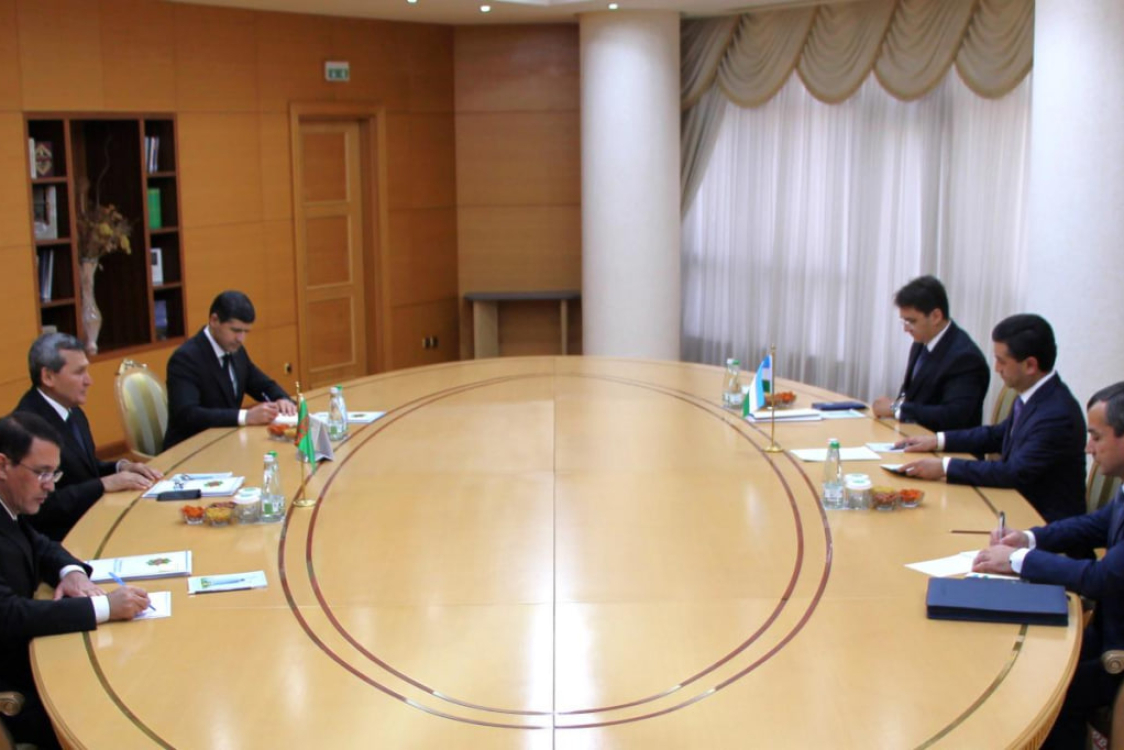
15.07.2026On 14 July 2026, a further round of political consultations took place in Ashgabat between the Ministry of Foreign Affairs of Turkmenistan and the Ministry of Foreign Affairs of the Republic of Uzbekistan. This was reported by the press office of the Ministry of Foreign Affairs of Turkmenistan. The Turkmen delegation was led by Rashid Meredov, Minister for Foreign Affairs of Turkmenistan, whilst the Uzbek delegation was led by Bakhtiyor Saidov, Minister for Foreign Affairs of the Republic of Uzbekistan. During the meeting, the parties discussed the current state and prospects for the development of the Turkmen-Uzbek strategic partnership, as well as issues relating to the strengthening of political and diplomatic cooperation. The importance of regular high-level contacts for the further development of bilateral relations was emphasised. Particular attention was paid to cooperation within the framework of the UN, the CIS, the OIC, the ECO and the Non-Aligned Movement, as well as to the coordination of positions on topical issues on the regional and international agenda. The parties considered ways of improving the legal and treaty framework, expanding inter-parliamentary and inter-regional ties, and developing cooperation between the relevant ministries of the two countries. In the economic sphere, they discussed prospects for expanding trade and investment cooperation, and for enhancing the effectiveness of the Joint Turkmen-Uzbek Commission on Trade, Economic, Scientific, Technical and Cultural Cooperation. Issues relating to transport and transit cooperation, the development of international corridors, logistics infrastructure, industry, agriculture, energy and the digital economy were also addressed. Particular attention was paid to cultural and humanitarian ties. The parties noted the development of cooperation in the fields of education, science, culture, healthcare, youth policy and sport, reaffirming their interest in expanding exchanges and joint projects. A signing ceremony for bilateral documents took place as part of the consultations.
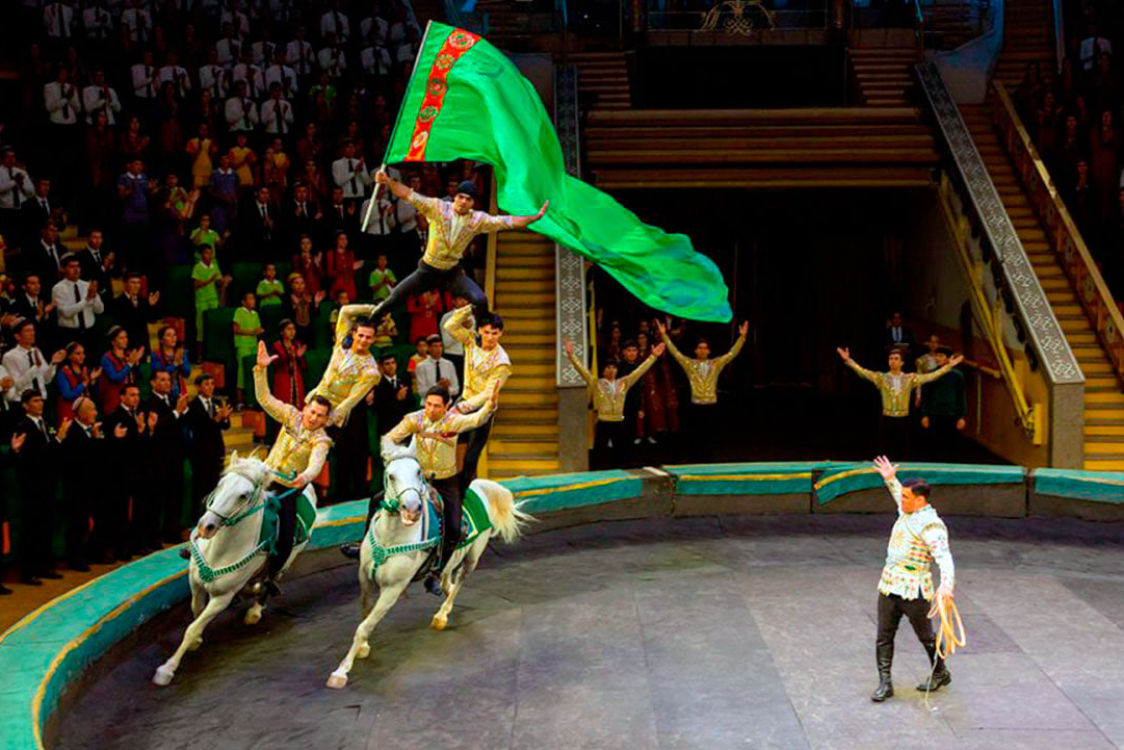
The Turkmen group ‘Galkynyş’ continues to gain international recognition
15.07.2026Turkmenistan continues its work to develop and promote its national culture and arts internationally. One area of focus is the development of circus arts, in which the ‘Galkynyş’ National Equestrian Games Group plays an important role, according to the news agency ‘Turkmenistan: Golden age’. The troupe was founded in 2007 on the initiative of the National Leader of the Turkmen people, Chairman of the Halk Maslahaty Gurbanguly Berdimuhamedov. Today, ‘Galkynyş’ showcases Turkmenistan’s cultural heritage on the international stage and takes part in state events and major cultural projects. A special feature of the troupe’s performances is the Ahal-Teke racehorses and the complex equestrian acrobatic acts, which showcase the skill of the Turkmen riders. The ‘Galkynyş’ troupe has taken part in international circus festivals and has won prestigious awards. These include the top prizes at the ‘IDOL’ World Circus Arts Festival in Moscow (2013), the 16th International Circus Festival in Latina (Italy, 2014), the 2nd International Circus Arts Festival in the People’s Republic of China (2015), the 2nd World Nomad Games in Cholpon-Ata (Kyrgyz Republic, 2016), as well as the ‘Golden Gaetano’ statuette at the ‘Na Fontanke’ festival in St Petersburg (2018). In 2025, the troupe gained international recognition at the 47th International Circus Arts Festival in Monte Carlo (Principality of Monaco), where it was awarded the Grand Prix, as well as a number of special prizes. In January 2026, at the 48th International Festival of Circus Arts in Monte Carlo, the ‘Galkynyş’ National Equestrian Games Group received international certificates from the World Circus Federation and the European Circus Association for its contribution to the development of circus arts. The troupe continues to take part in international events, representing the Turkmen circus school and fostering cultural ties between countries. ‘Galkynyş’ performances combine elements of equestrian art, acrobatics and the traditional culture of Turkmenistan.
The Foreign Ministers of Turkmenistan and Uzbekistan discussed ways to develop cooperation
15.07.2026On 14 July, Minister of Foreign Affairs of Turkmenistan Rashid Meredov held a meeting in Ashgabat with Minister of Foreign Affairs of the Republic of Uzbekistan Bakhtiyor Saidov. The parties discussed the state of and prospects for bilateral cooperation, according to the press office of the Ministry of Foreign Affairs of Turkmenistan. The foreign ministers noted the strong momentum in Turkmen-Uzbek relations and emphasised the role of regular contacts at the highest state level in developing the partnership. Particular attention was paid to the implementation of previously reached agreements and joint projects in the trade and economic, transport and logistics, energy and industrial sectors. The development of cultural and humanitarian cooperation, including collaboration in the fields of science, education and the arts, was also discussed. Furthermore, the ministers exchanged views on topical issues on the regional and international agenda, reaffirming their shared approaches to ensuring peace, stability and sustainable development in Central Asia.
Turkmenistan and ASEAN discussed prospects for cooperation in Jakarta
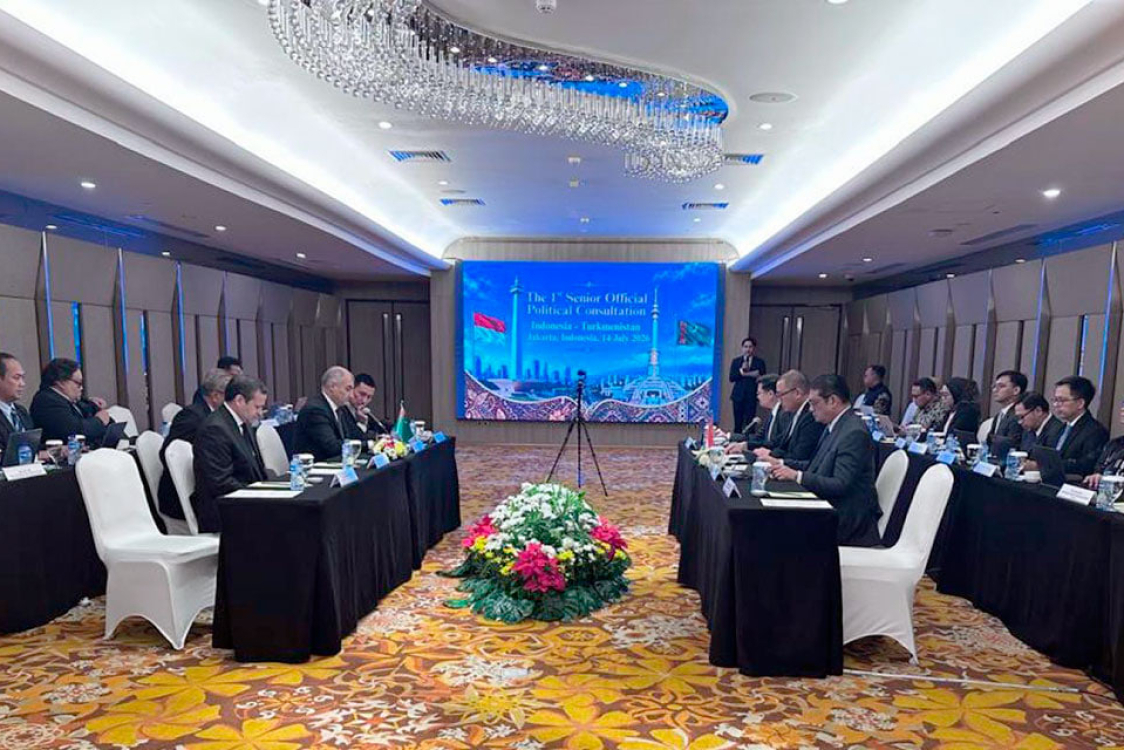
15.07.2026On 14 July, Ahmet Gurbanov, Deputy Minister of Foreign Affairs of Turkmenistan, held meetings in Jakarta with Kao Kim Hourn, Secretary-General of the Association of Southeast Asian Nations (ASEAN), and Dyah Roro Esti Widya Putri, Deputy Minister of Trade of the Republic of Indonesia. This was reported by the news agency ‘Turkmenistan: Golden age’. During the talks with ASEAN leaders, the parties discussed the development of cooperation in the fields of transport, energy, trade, investment, the digital economy, innovation, education, science, tourism and cultural and humanitarian exchanges. Issues relating to the achievement of the Sustainable Development Goals, adaptation to climate change, ensuring food and energy security, digital transformation and skills development were also discussed. At the meeting with the Deputy Minister of Trade of the Republic of Indonesia, the main focus was on expanding trade and economic ties, cooperation between chambers of commerce and industry and business communities, holding joint forums and exhibitions, and developing cooperation in transport and logistics. As part of the visit, the first political consultations took place between the foreign ministries of Turkmenistan and the Republic of Indonesia. The parties discussed the state of bilateral relations, the international and regional agenda, and new areas of cooperation. Particular attention was paid to the development of political contacts, inter-parliamentary cooperation, collaboration between relevant ministries, and the strengthening of cooperation within international organisations. The parties also considered the prospects for expanding Turkmenistan’s partnership with ASEAN, including the initiative to establish a ‘Central Asia + ASEAN’ dialogue format, as well as the development of cooperation in the trade, economic, transport, educational, scientific and cultural spheres.
Turkmenistan is preparing for the OGT 2026 international forum
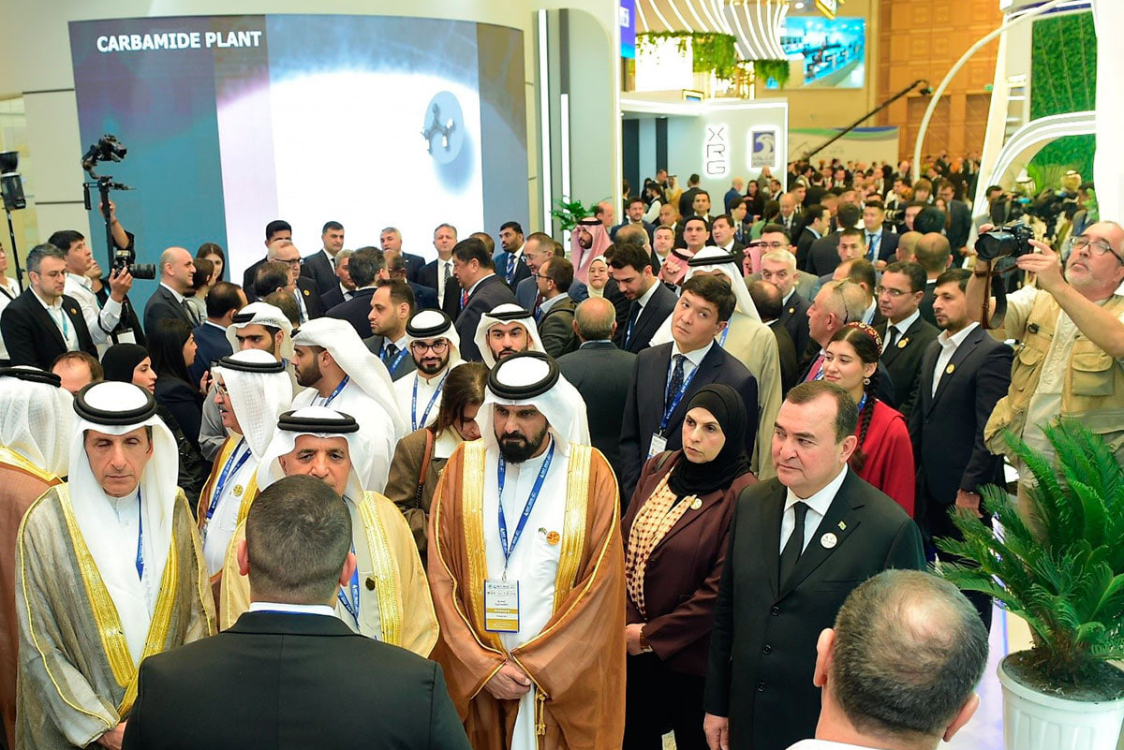
15.07.2026Regional cooperation is becoming one of the key factors in the development of the global energy sector, the strengthening of energy security and the attraction of investment. The states of Eurasia are expanding their partnerships, developing infrastructure and implementing modern solutions in the energy sector, according to the news agency ‘Turkmenistan: Golden age’. Turkmenistan, which possesses significant natural gas reserves, is consistently developing its cooperation with foreign partners. The country is expanding cooperation in the energy sector, infrastructure and technology, with a focus on strengthening regional stability and sustainable development. The Caspian region remains an important hub for energy cooperation. The development of transport corridors, the exploitation of resources and the growth of investment are creating new opportunities for cooperation between the Caspian states. One area of focus is the strengthening of the partnership between Turkmenistan and Azerbaijan. The visit to Turkmenistan by Mikayil Jabbarov, Minister of Economy of the Republic of Azerbaijan, and the participation of representatives from the State Oil Company of the Republic of Azerbaijan (SOCAR) confirmed the parties’ interest in expanding cooperation. Turkmenistan and Azerbaijan are developing cooperation in the fields of geological exploration, hydrocarbon production, maritime projects, transport infrastructure, digital technologies and environmental initiatives. Turkmenistan’s energy partnership also extends beyond the region. Strategic cooperation with the People’s Republic of China ensures the supply of natural gas via one of the largest export routes. Joint projects with PETRONAS contribute to the introduction of modern technologies and the development of the oil and gas sector. The ‘Turkmenistan–Afghanistan–Pakistan–India’ (TAPI) gas pipeline remains a key element of regional integration, aimed at developing energy interconnectivity and economic cooperation in Central and South Asia. At the same time, Turkmenistan is focusing on the digitalisation of the energy sector, reducing methane emissions, improving environmental performance and introducing advanced production technologies. The development of international projects requires expanded investment cooperation. Stable business conditions, the country’s resource potential and its favourable geographical location create opportunities for implementing projects in the fields of hydrocarbon production, gas processing, gas chemistry and the modernisation of energy infrastructure. An important platform for discussing these issues will be the 31st International Conference and Exhibition ‘Oil and Gas of Turkmenistan – 2026’ (OGT 2026), which will take place on 21–23 October 2026 in Ashgabat under the motto ‘Energy. Partnership. Progress.’ For over 30 years, OGT has brought together representatives of government bodies, oil and gas companies, international organisations, investors, financial institutions and technology companies. OGT 2026 is set to discuss investment projects, the development of the ‘Galkynyş’ gas field, the exploitation of resources in Turkmenistan’s sector of the Caspian Sea, the expansion of gas processing and gas chemistry, the digital transformation of the industry, and issues of sustainable development. To date, more than 100 international delegates from over 20 countries have confirmed their participation in the conference. Participant registration is still open. OGT 2026 will serve as a platform for exchanging experience, discussing new projects and strengthening long-term cooperation in the energy sector.
School pupils from Turkmenistan won four awards at TIMO 2026
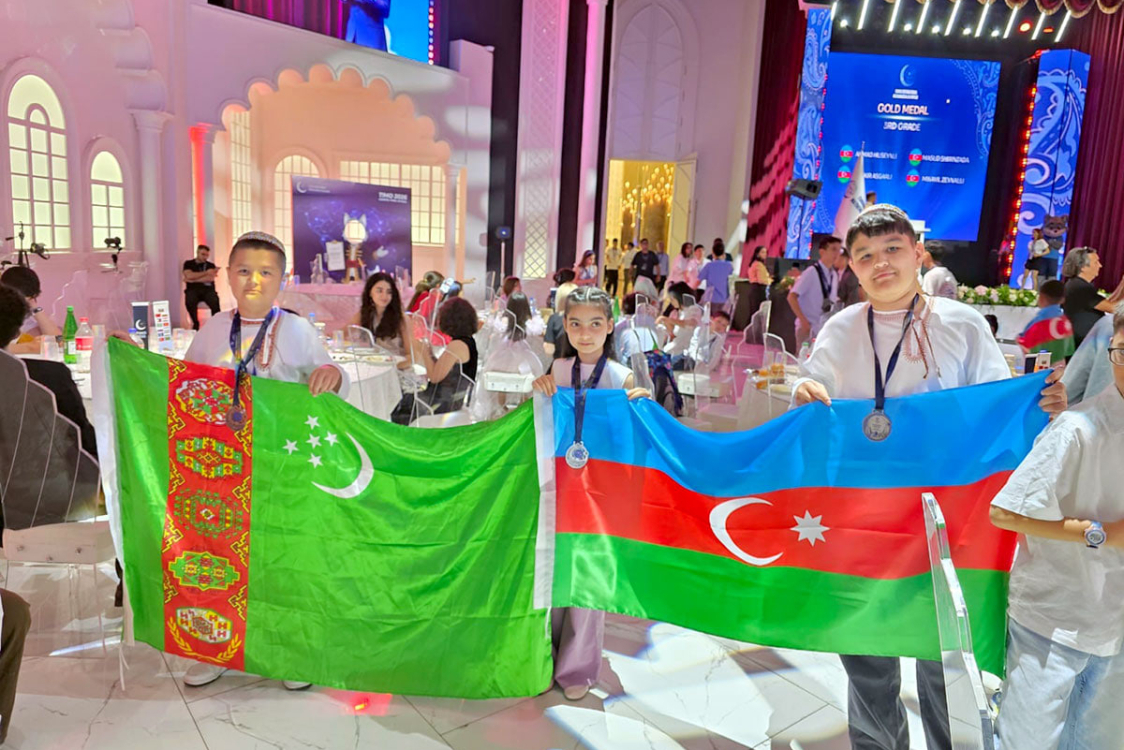
15.07.2026School pupils from Turkmenistan won four awards at the Turkic International Mathematical Olympiad (TIMO 2026), held from 2 to 6 July in Baku (Azerbaijan). This was reported by the news agency ‘Turkmenistan: Golden age’. Pupils from 13 countries took part in the competition, including Azerbaijan, Kazakhstan, Kyrgyzstan, Uzbekistan, Russia, Turkey and Turkmenistan. The Turkmenistan team won one bronze medal and three Honourable Mentions. The bronze medallist was Ayhan Orazdurdyev, a 4th grade student at the A.S. Pushkin Joint Turkmen-Russian Secondary School, who scored 80 points out of 56 participants in his age category. Honourable Mentions were awarded to Alymuhammet Orazov from Ashgabat, as well as Ayjeren Muhammetnazarova and Gulshat Muhammetnazarova from the city of Mary. The Olympiad featured highly challenging problems designed to test mathematical knowledge, logical thinking and the ability to solve non-standard problems.
The President of Turkmenistan received the Uzbek Foreign Minister
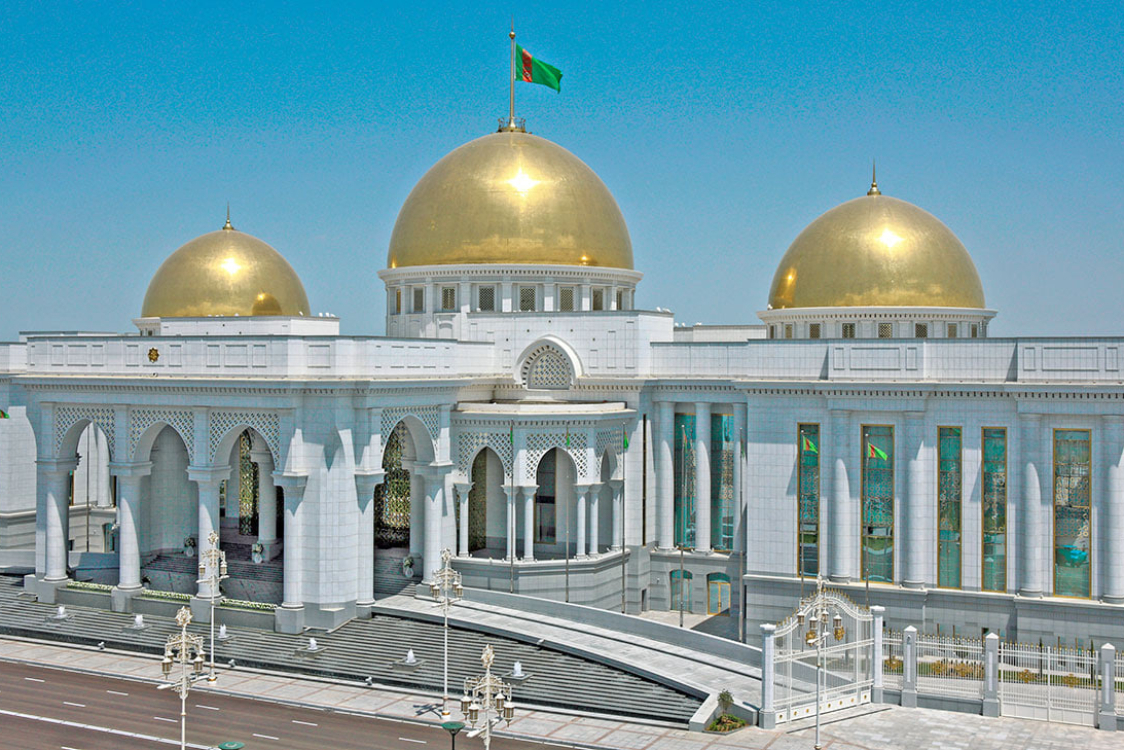
15.07.2026On 14 July, the President of Turkmenistan, Serdar Berdimuhamedov, met with the Minister for Foreign Affairs of the Republic of Uzbekistan, Bakhtiyor Saidov, who had arrived in the country on an official visit. This was reported by the news agency TDH. The guest conveyed greetings and best wishes from the President of Uzbekistan, Shavkat Mirziyoyev, to the Head of the Turkmen State, as well as to the National Leader of the Turkmen people and Chairman of the Halk Maslahaty of Turkmenistan, Gurbanguly Berdimuhamedov. Serdar Berdimuhamedov extended his own best wishes to the Uzbek leader and noted that the visit opens up new opportunities for the development of bilateral cooperation. The parties emphasised the high level of trust and mutual respect in Turkmen-Uzbek relations, which serves as the foundation for their strategic partnership. The countries actively cooperate within the framework of the UN, the CIS, the Organisation for Economic Co-operation and other international bodies, providing mutual support for initiatives in the fields of peace and sustainable development. The President of Turkmenistan spoke highly of cooperation within the ‘Central Asia+’ regional frameworks. During the meeting, it was noted that, during Turkmenistan’s chairmanship of the CIS, the ‘Awaza’ National Tourist Zone will host a meeting of the Council of Heads of State of the Commonwealth and a consultative meeting of the Heads of State of Central Asia and Azerbaijan. Furthermore, it was emphasised that particular attention is being paid to trade and economic cooperation, primarily in the energy, transport and logistics sectors. This work is coordinated by the Joint Turkmen-Uzbek Commission on Trade, Economic, Scientific, Technical and Cultural Cooperation. The interlocutors also emphasised the importance of cultural and humanitarian ties, based on historical bonds of friendship and shared spiritual values. At the conclusion of the meeting, President Serdar Berdimuhamedov reaffirmed Turkmenistan’s readiness to further develop fruitful cooperation with Uzbekistan.
Turkmenistan is expanding its international humanitarian ties
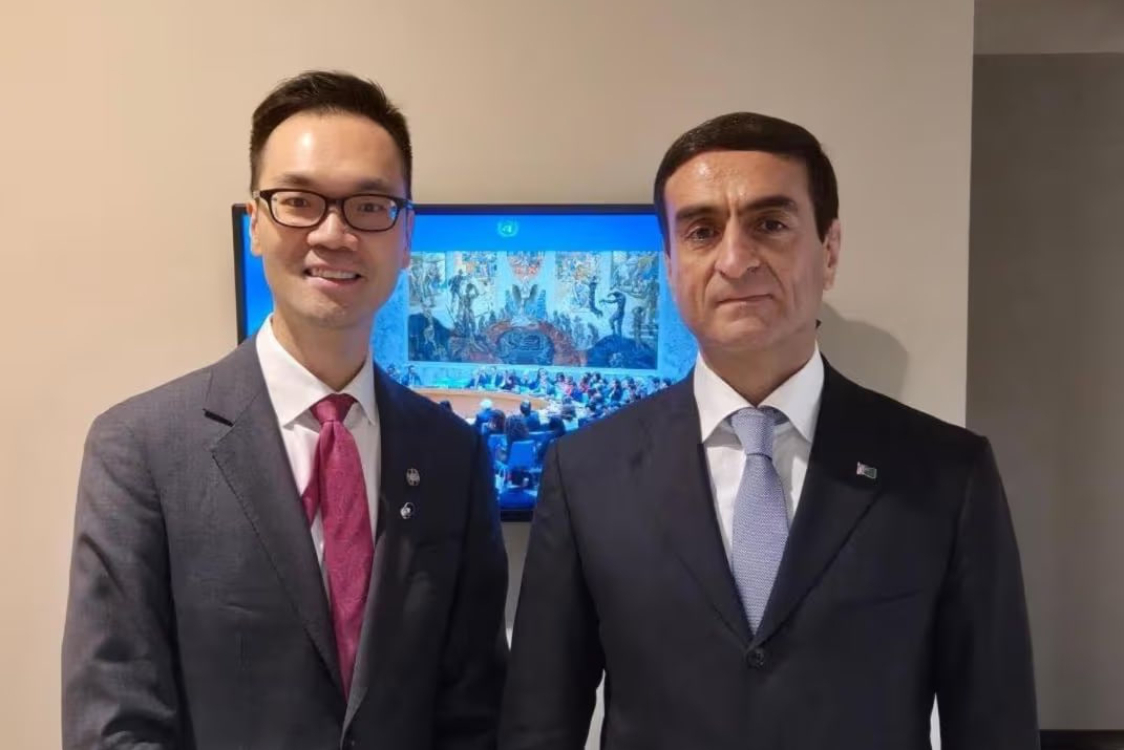
15.07.2026Vepa Hajiyev, Permanent Representative of Turkmenistan to the UN, held a meeting with Brian San, Secretary-General of the Institute of Philanthropy, on the sidelines of the High-Level Political Forum 2026 in New York. The talks took place as part of a thematic session dedicated to fostering inclusive prosperity through partnerships between charitable organisations and multilateral bodies, according to the IIC of Turkmenistan. The parties discussed prospects for humanitarian cooperation within the UN framework. Particular attention was paid to establishing direct contacts between the Hong Kong-based Institute of Philanthropy and the Gurbanguly Berdimuhamedov Charitable Foundation for Assistance to Children in Need of Guardianship. Following the meeting, both sides reaffirmed their mutual interest in implementing joint social projects and exchanging expertise in the field of child welfare.
‘Petronas’ may begin drilling operations in Turkmenistan’s gas blocks as early as December
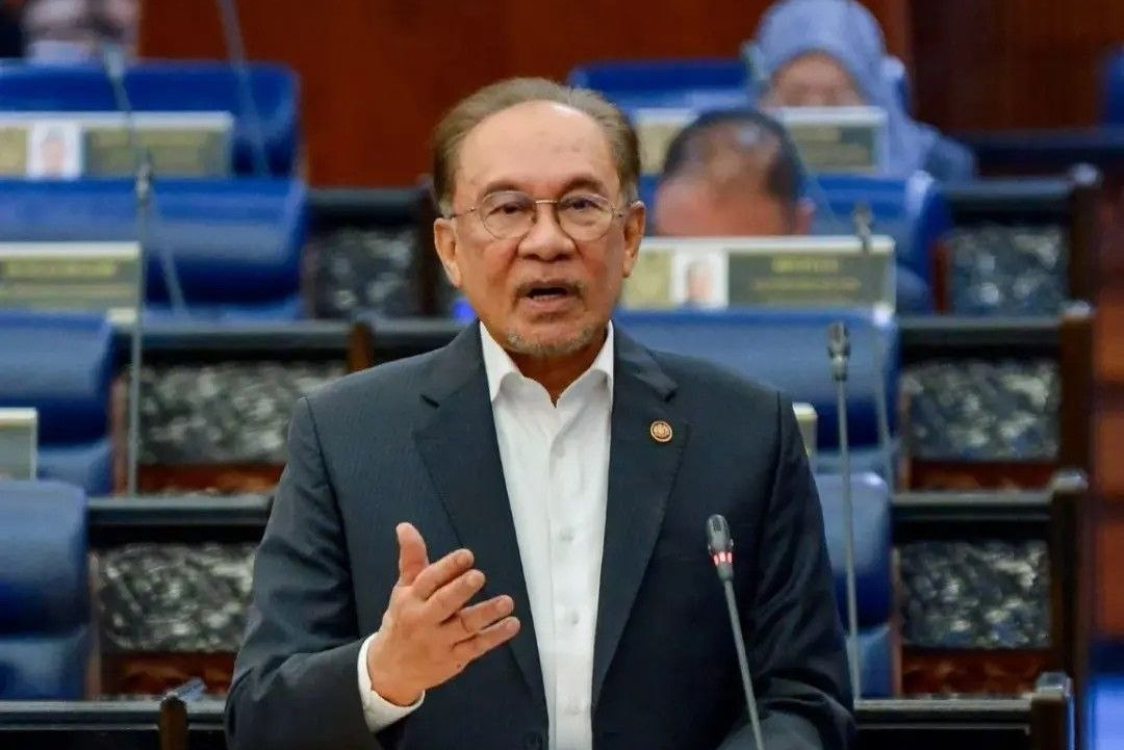
15.07.2026Malaysian Prime Minister Datuk Seri Anwar Ibrahim has stated that exploration and drilling work on the Turkmenistan gas blocks allocated to ‘Petronas’ could begin as early as December. This was reported by the news website Turkmenportal. According to him, the project is progressing at a record pace. Anwar noted that the development of the Turkmen fields will strengthen Malaysia’s position as one of the world’s largest holders of gas reserves and will be an important step in ensuring the country’s energy security. He also emphasised that the authorities are continuing to take measures to maintain the stability of energy supplies, keep prices in check and strengthen the economy.
Turkmenistan’s culture and achievements were showcased in Seoul
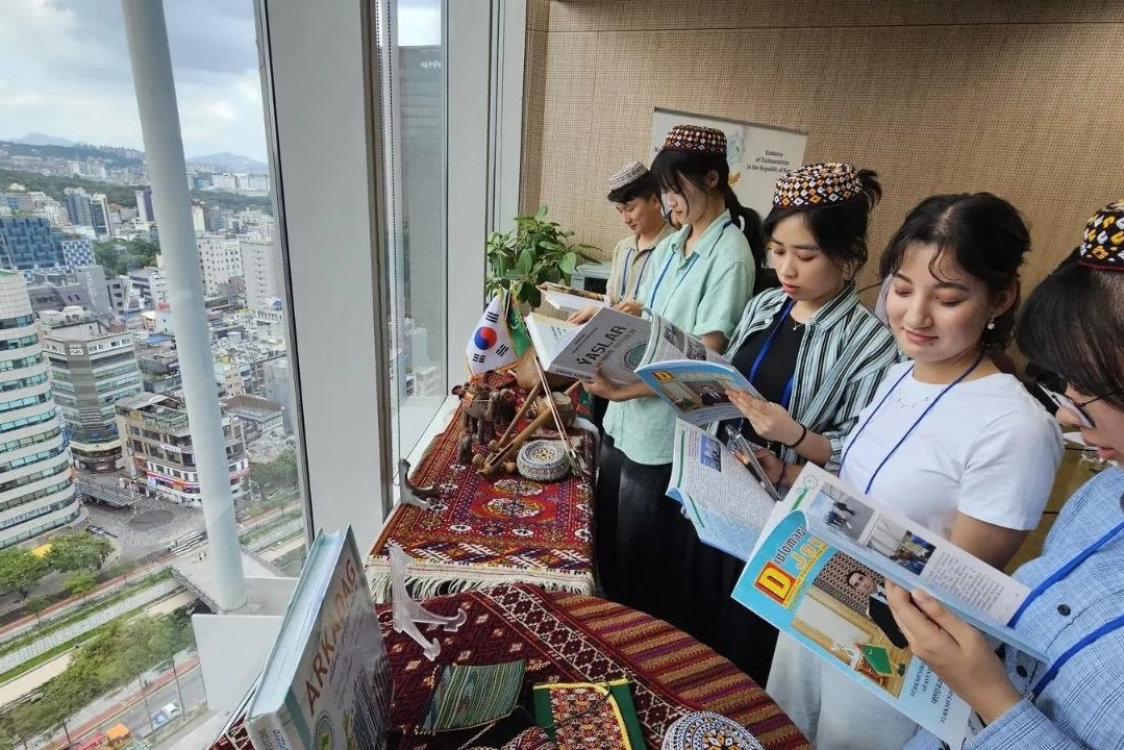
15.07.2026An information and cultural event for participants of the ‘Eurasia 2026’ Youth Academy took place in Seoul at the office of the Secretariat of the ‘Korea–Central Asia’ Cooperation Forum. The event was organised by the Embassy of Turkmenistan with the support of the Forum’s Secretariat. This was reported by IIC of Turkmenistan. The participants were introduced to Turkmenistan’s system of government, its neutral foreign policy and the Arkadag ‘smart city’ project. The guests also visited an exhibition of traditional clothing, carpets and musical instruments, and sampled Turkmen sweets. The meeting contributed to the development of academic and humanitarian ties between the youth of Turkmenistan and the Republic of Korea.
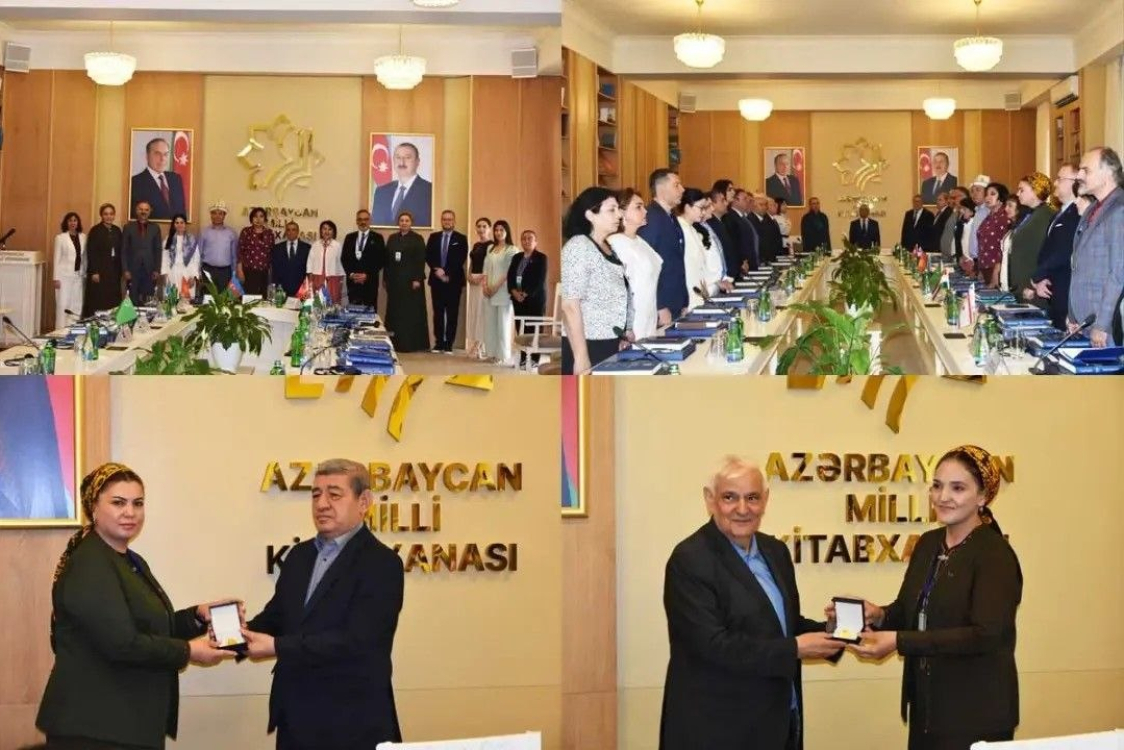
Turkmenistan took part in a meeting of libraries from Turkic-speaking countries
15.07.2026A methodological meeting of library directors from Turkic states was held at the National Library of Azerbaijan in Baku, to mark the 100th anniversary of the First All-Union Turkological Congress. This was reported by the news website Turkmenportal. Turkmenistan was represented at the event by Enejan Geldiyeva, Director of the Ashgabat Centralised Library System of the Ministry of Culture, and Lachyn Nurmuhammedova, Deputy Director of the State Library of the State Cultural Centre of Turkmenistan. Participants discussed the development of digital collaboration between libraries and the exchange of information on cultural events, and presented a bibliographic publication to mark the congress’s anniversary. Guided tours of Baku’s historical landmarks and the Carpet Museum were also organised for the guests.
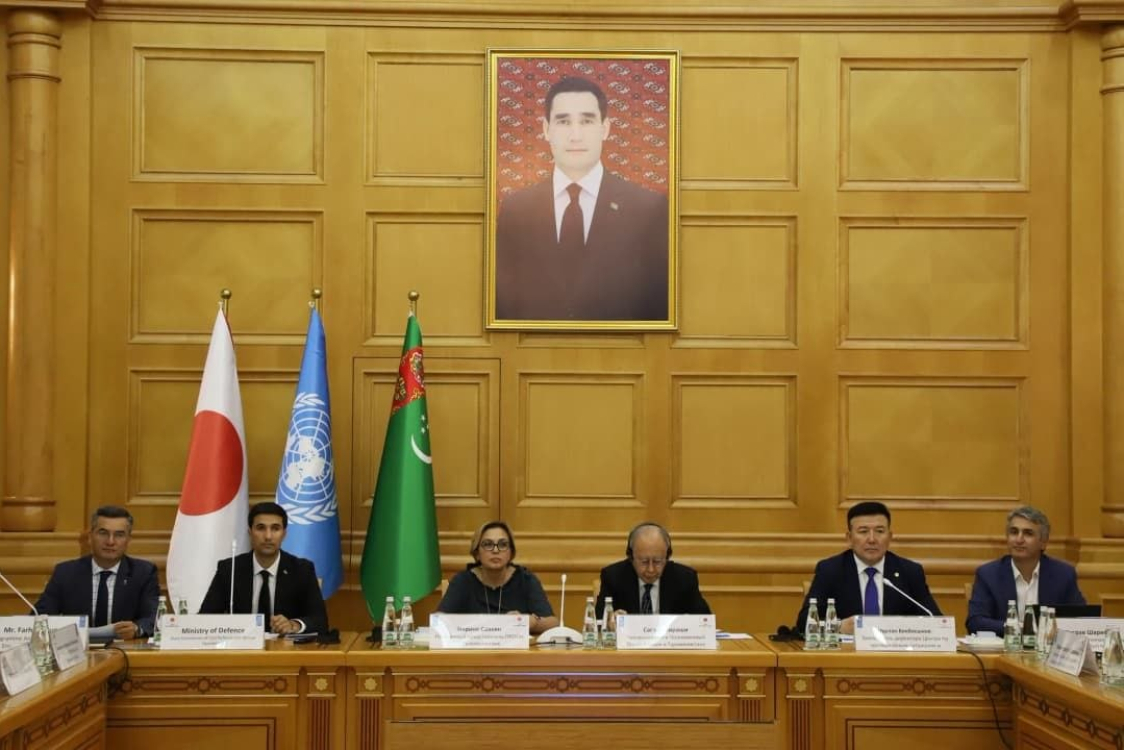
A UNDP project to reduce the risk of disasters has been launched in Turkmenistan
14.07.2026A UNDP project to reduce the risk of natural disasters, implemented with financial support from Japan, has been launched in Turkmenistan. This was reported by the news website Turkmenportal. Japan has allocated approximately US$4.9 million for the project. The initiative aims to develop early warning systems, improve emergency preparedness and strengthen regional cooperation in Central Asia. The project was launched during a visit by the UNDP regional team from Istanbul. During the mission, consultations were also held with national partners on the implementation of the project and the further development of Turkmenistan’s capacity in the field of disaster risk management.
Read also
Advertising

 Read us in Zen


