


News
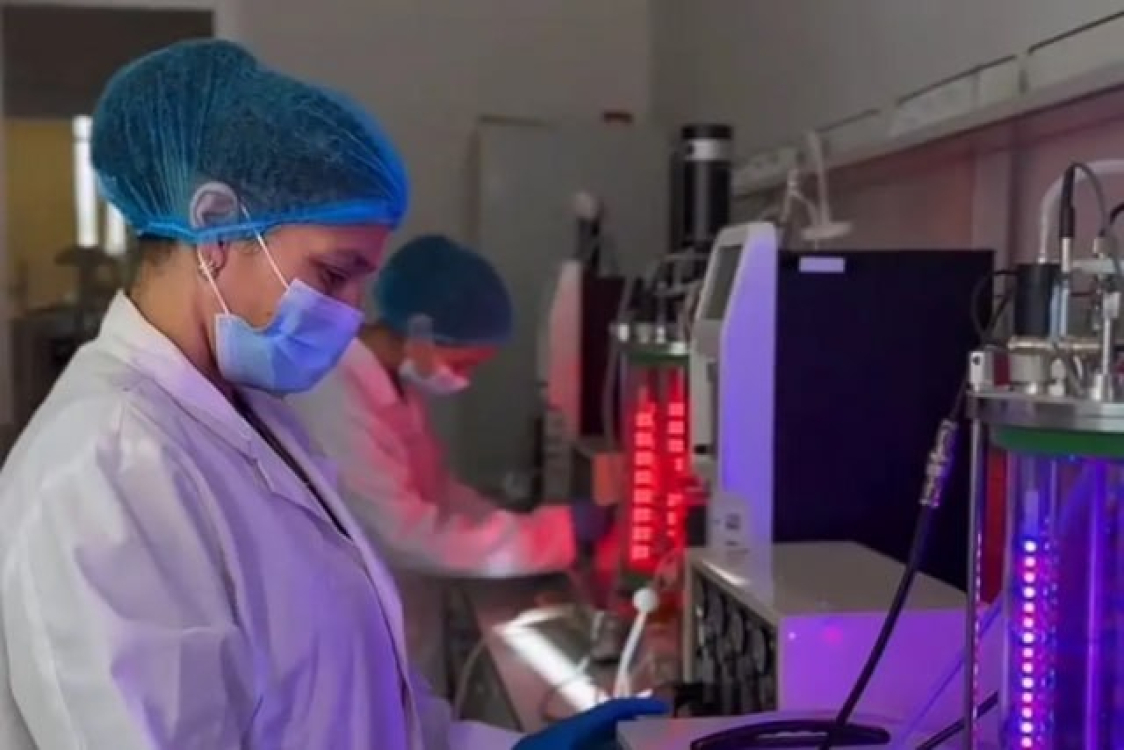
A biological agent has been developed in Turkmenistan to restore salt-affected soils
03.04.2026The International Science and Technology Park of the Academy of Sciences of Turkmenistan has developed a biological product for the restoration of saline and degraded soils. This was reported by the news agency Orient. It is based on strains of microscopic fungi isolated from the country’s salt marshes, which remain active at salinity levels exceeding 10%. The preparation protects plant roots from excess sodium, stimulates growth and increases the resistance of crops to salt stress, heat and plant pathogens. According to the developers, wheat seed germination increases from 42% to 78%, and root biomass by 35%. The technology can increase yields by 25–30% and reduce the need for mineral fertilisers by 15%. The development is seen as a promising solution for combating soil salinisation in Central Asian countries.
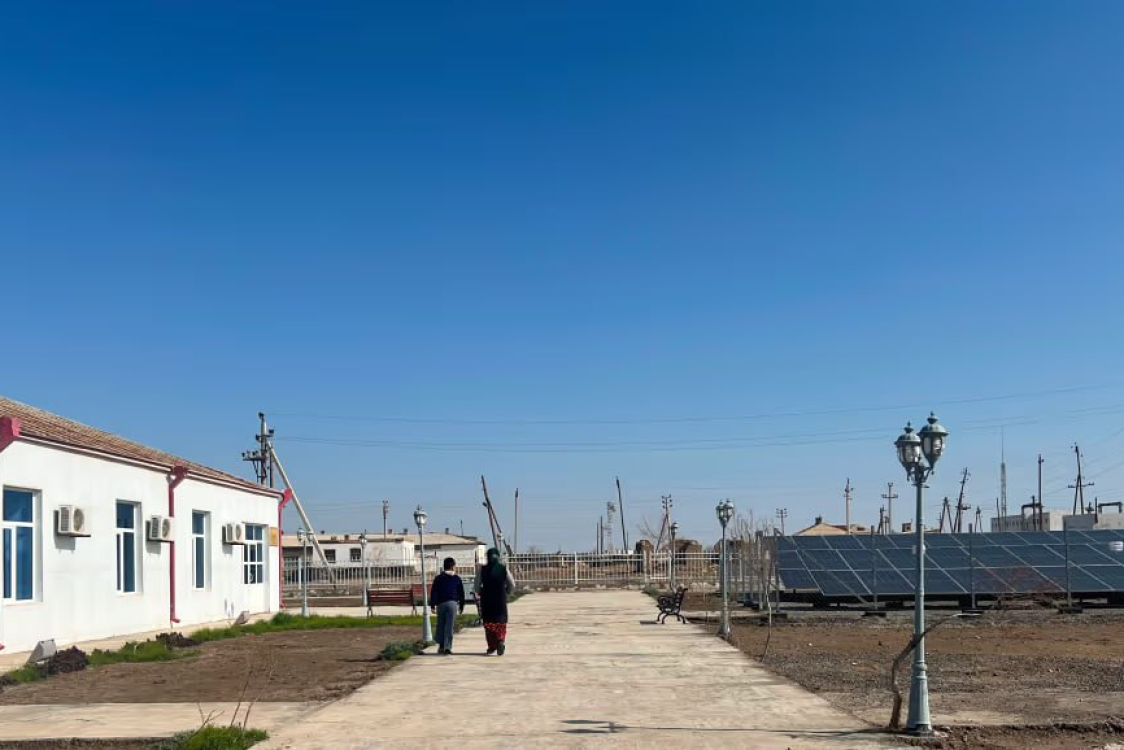
A solar power station has been launched at the Rural Health Centre in Turkmenistan
03.04.2026A solar photovoltaic system has been commissioned at the Talhatanbaba Rural Health Centre in the Yoloten etrap of the Mary velayat. The project was implemented by UNICEF in collaboration with the Ministry of Health and Medical Industry of Turkmenistan, according to the news website Turkmenportal. The new station provides the healthcare facility with an uninterrupted power supply, which is particularly important for storing vaccines and delivering vital medical services to children and adults. According to UNICEF, this is already the second such project in Turkmenistan. The initiative is a continuation of efforts to modernise the healthcare system and enhance its resilience to climate-related challenges. Previously, UNICEF assessed the energy needs of 10 primary healthcare facilities across the country, which formed the basis for the further roll-out of solar systems.
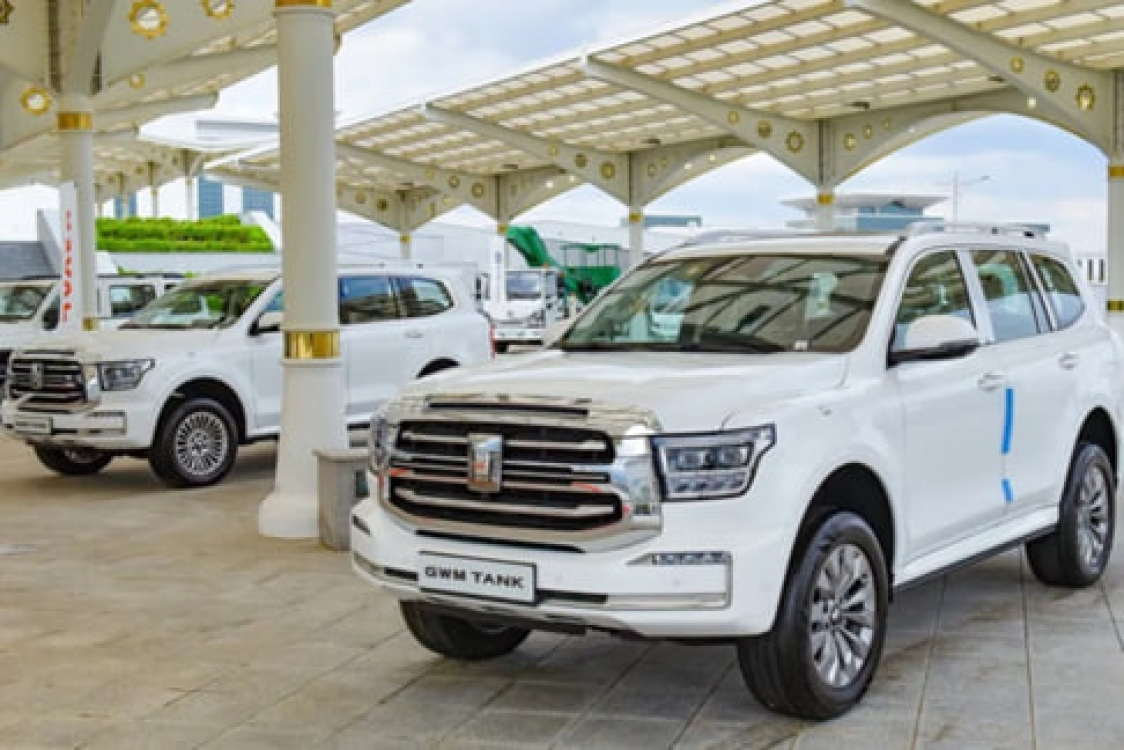
The Chinese automotive industry has unveiled its premium models in Ashgabat
03.04.2026The premium-segment vehicles ‘TANK 300’, ‘TANK 500’ and ‘Haval’ models from the Chinese automotive group ‘Great Wall Motors’ (GWM) are on display at the ‘Cooperation and Development’ International Exhibition in Ashgabat. This was reported by the news website Turkmenportal. Several models are on display at the company’s stand. Key features of the vehicles include a ladder-frame chassis, double glazing, as well as a high level of comfort and off-road capability. Most models are equipped with four-wheel drive, ventilation and massage functions in the seats, heated seats and a windscreen heating system. The vehicles come with a three-year warranty. Service centres are already operational in Ashgabat and Mary, and the company plans to launch a car finance scheme in the near future. The share of Chinese cars in the Turkmen market is set to grow over the next two to three years. Since February last year, GWM has sold over 60 cars in Turkmenistan, purchased by both government agencies and private customers.
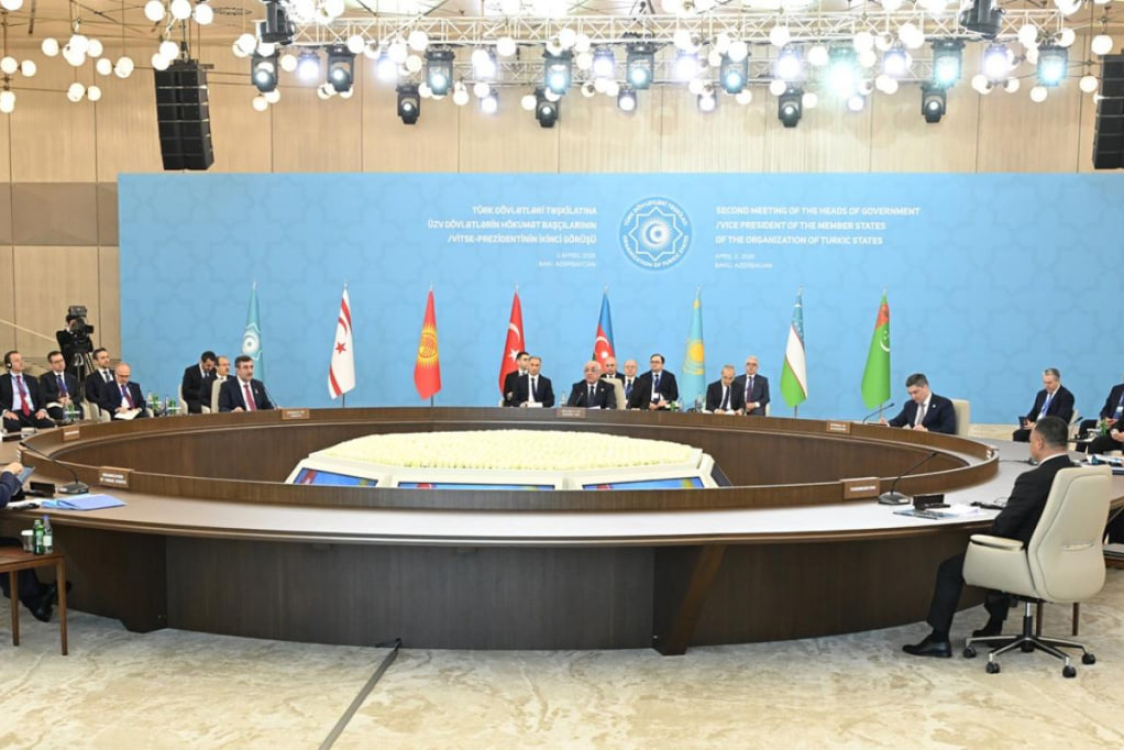
Turkmenistan took part in the meeting of Heads of Government of the OTS countries in Baku
03.04.2026On 2 April in Baku, Nokerguly Atagulyev, Deputy Chairman of the Cabinet of Ministers of Turkmenistan, took part in the Second Meeting of Heads of Government/Vice-President of the Member States of the Organisation of Turkic States (OTS). The event was attended by delegations from member states and observer states, as well as representatives of international organisations. This was reported by the press service of the Foreign Affairs Ministry of Turkmenistan. The parties discussed the development of multilateral cooperation, the strengthening of economic ties, transport and logistics corridors, trade, investment, the digital economy, energy and sustainable development. Particular attention was paid to economic integration, joint infrastructure projects and cooperation in industry, agriculture and innovation. The participants emphasised the importance of expanding trade and business contacts. In his address, N. Atagulyev noted the need to coordinate efforts in the fields of security, sustainable development and cooperation within international organisations, including the UN. He also highlighted the development of the ‘East–West’ and ‘North–South’ transport corridors, the Trans-Caspian and Lapis Lazuli routes, as well as the expansion of energy and investment cooperation. Turkmenistan confirmed its readiness for further partnership. Following the meeting, decisions were taken on the development of joint projects within the framework of the Organisation of Turkic States. On the same day, the President of the Republic of Azerbaijan, Ilham Aliyev, received the Heads of delegations. He emphasised the importance of strengthening cooperation, developing investment and transport routes, including the Middle and Trans-Caspian corridors.
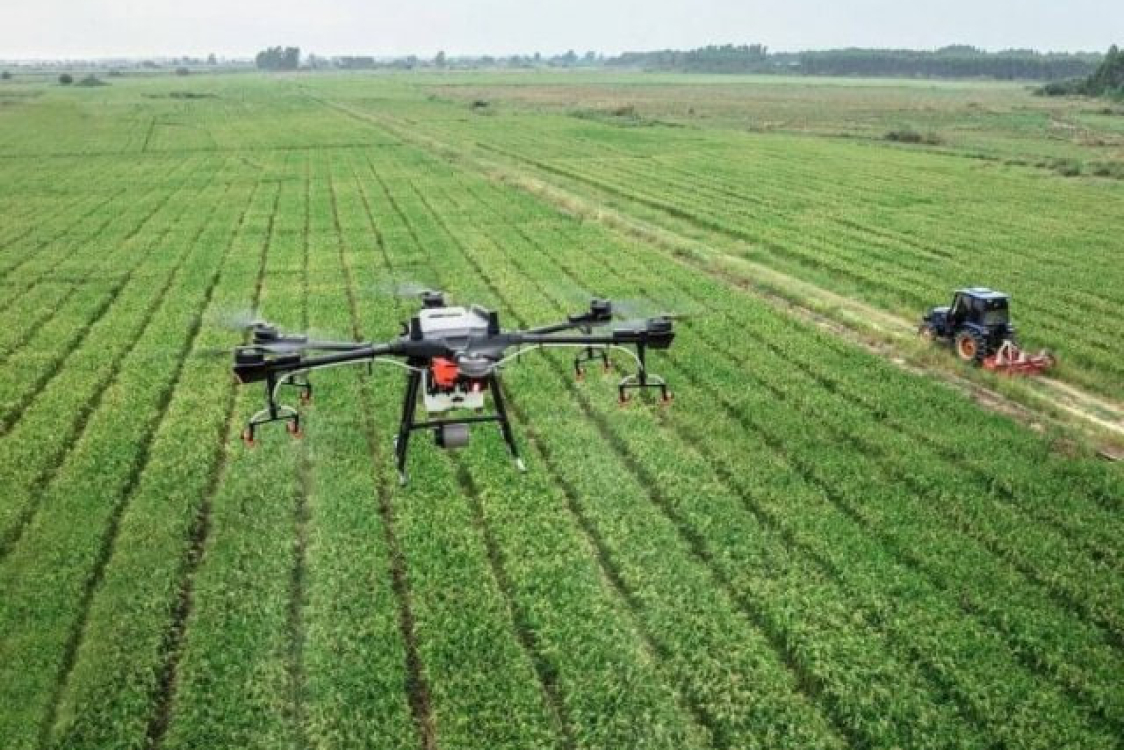
A Turkmen company is developing the agricultural sector through innovative solutions
03.04.2026IE ‘Has’, a member of the Association of Industrialists and Entrepreneurs of Turkmenistan, is expanding the use of modern solutions in the agricultural sector. This was reported by AsmanNews. The company is installing drip irrigation systems in fields and greenhouses. These are equipped with water purification filters, which reduce soil salinisation and enable water savings of up to 50%. ‘Has’ also designs and builds greenhouse complexes with heating, lighting and ventilation systems. The work draws on the experience of Turkey, the Netherlands and Spain, ensuring year-round production. Natural pollination using bees is also employed. This reduces the use of chemicals and improves product quality. According to the source, the implementation of such solutions contributes to the development of the private sector, the creation of jobs and the strengthening of the country’s export potential.
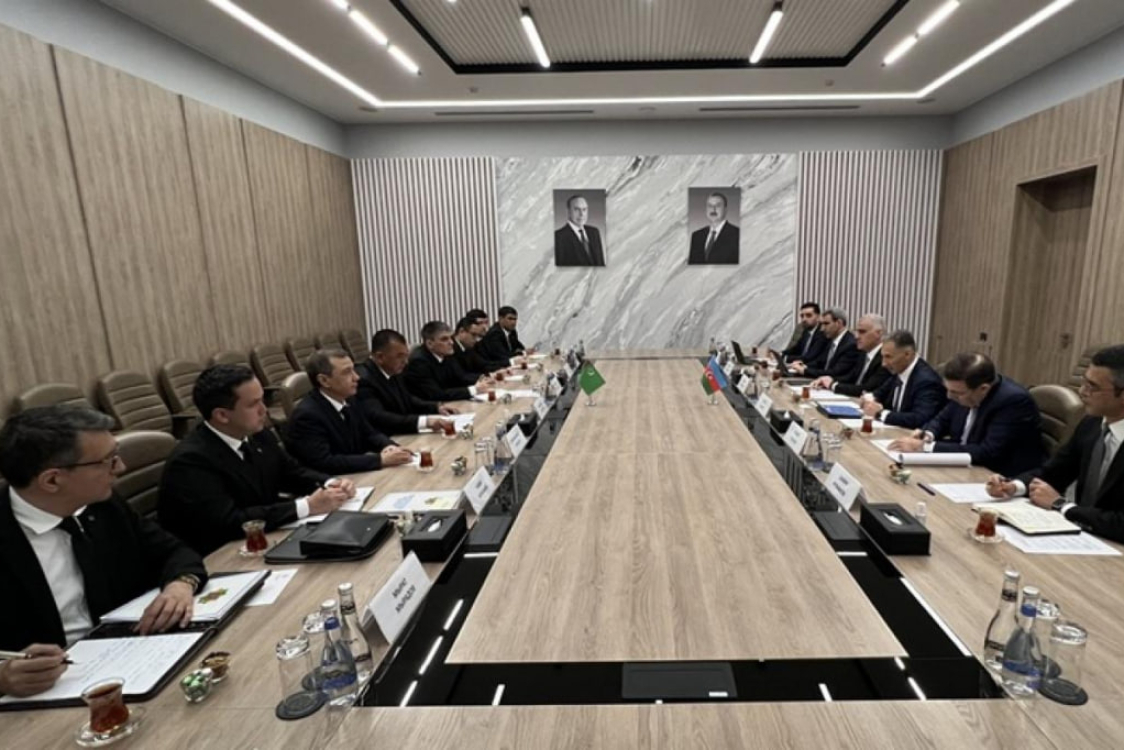
A delegation from Turkmenistan explored the facilities at the Port of Baku
03.04.2026On 1 April in Baku, Nokerguly Atagulyev, Deputy Chairman of the Cabinet of Ministers of Turkmenistan, met with Rashad Nabiyev, Azerbaijan’s Minister of Digital Development and Transport; Mikayil Jabbarov, Minister of Economy; Rovshan Rustamov, Chairman of ‘Azerbaijan Railways’ CJSC, and Eldar Salahov, Director of ‘Baku International Sea Port’ LLC. This was reported by the press service of the Foreign Affairs Ministry of Turkmenistan. The meetings covered the development of transport corridors, the expansion of cooperation between seaports and the increase in freight volumes. Joint projects on transit corridors and the revitalisation of international routes passing through the territories of the two countries were considered. The organisation of a business forum and product exhibition in Ashgabat and Baku was also discussed. In addition, the parties discussed preparations for the next meeting of the Turkmen-Azerbaijani Inter-governmental Commission, the development of cooperation between business circles, the increase in trade, and the expansion of the range of products utilising the opportunities offered by the Caspian Sea. During the visit, the delegation visited the Baku International Sea Port and the Alat Free Economic Zone (AFEZ), familiarising themselves with their infrastructure and potential.
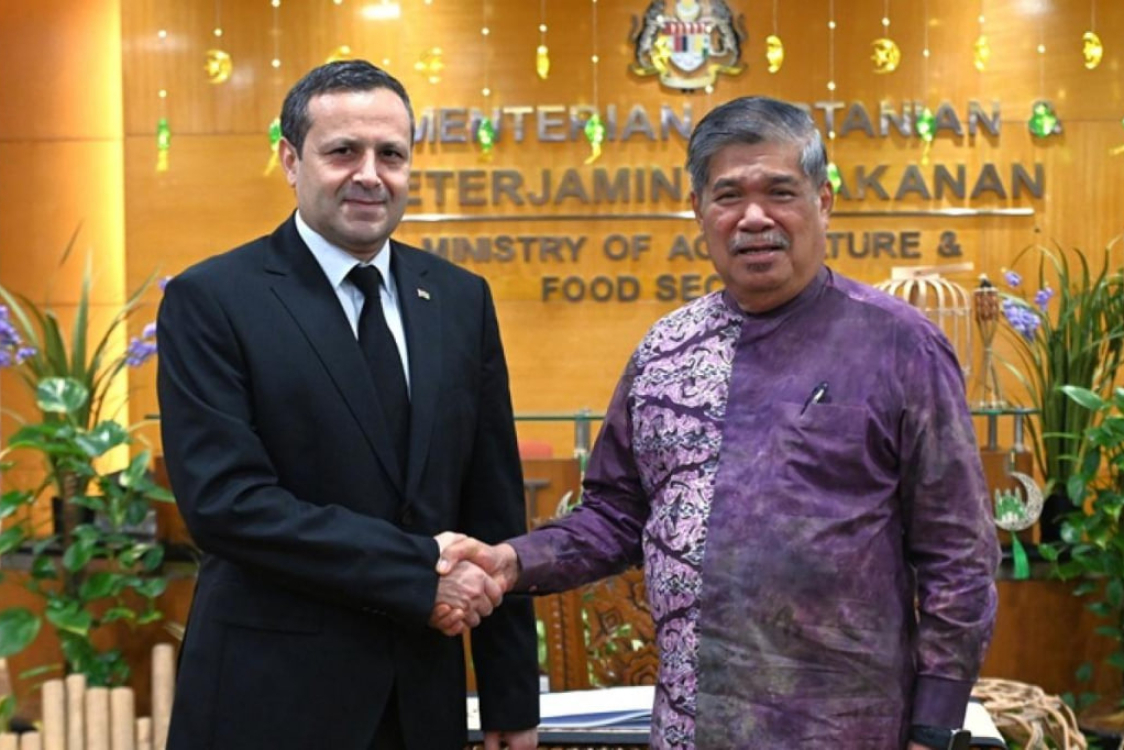
Turkmenistan and Malaysia discussed cooperation in the agricultural sector
03.04.2026On 2 April, the Ambassador of Turkmenistan to Malaysia, M. Mashalov, met with the Malaysian Minister of Agriculture and Food Security, Haji Mohamad bin Sabu. The meeting was attended by heads of departments within the ministry, representatives of the Malaysian Institute of Agricultural Research and Development, the South and Central Asia Division of the Malaysian Foreign Affairs Ministry, as well as staff from the Embassy of Turkmenistan. This was reported by the press service of the Foreign Affairs Ministry of Turkmenistan. The Ambassador noted the need to intensify cooperation in the agricultural sector and reaffirmed Turkmenistan’s openness to joint projects. Discussions covered the establishment of joint ventures, the digitalisation of agriculture, the exchange of expertise, the development of export logistics and environmentally friendly production. The parties considered specific areas: joint agricultural enterprises in Malaysia, processing of agricultural produce, support for investors, the introduction of precision farming, seed production, livestock farming, the use of drought-resistant crops, modernisation of irrigation, efficient water use and the simplification of phytosanitary and veterinary procedures. It was proposed to draft a Memorandum of Understanding between the two countries’ ministries of agriculture. Minister H.M. Sabu highlighted the effectiveness of trade and economic cooperation and noted the prospects for developing trade in fresh fruit and vegetables. He shared Malaysia’s experience in the field of irrigation systems and ‘smart farm’ projects. The Turkmen side was briefed on the activities of the Malaysian Agricultural Research and Development Institute (MARDI). Discussions took place regarding the conclusion of a Cooperation Agreement between research institutes and the organisation of exchange visits for specialists. The Ambassador invited Malaysian specialists to take part in the international exhibitions ‘Agro Pack Turkmenistan – 2026’ and ‘Food Turkmenistan 2026’, which will be held in Ashgabat from 12 to 14 May.
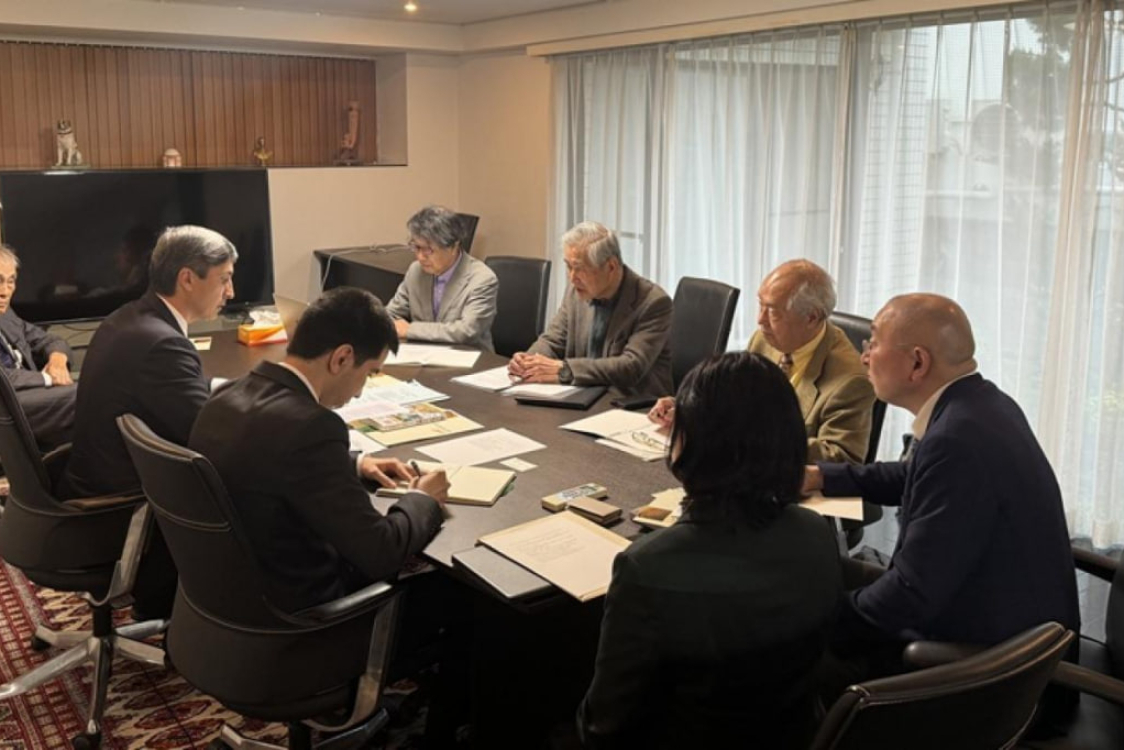
Turkmenistan and Japan are strengthening their scientific and technological cooperation
03.04.2026On 1 April, Turkmenistan’s Ambassador to Japan, A. Bayramov, met with H. Koinuma, President of the Turkmen-Japanese Science and Technology Association, and representatives of Japanese companies collaborating with the association. This was reported by the press service of the Foreign Affairs Ministry of Turkmenistan. The meeting discussed the further development of scientific and technological cooperation between Turkmenistan and Japan. The possibility of new Japanese companies and organisations entering the Turkmen market was considered. Plans were discussed for the introduction of water purification technologies and equipment by the Japanese company ‘Tohkemy Corporation’. It is cooperating with the Oguz Han University of Engineering and Technology on the basis of a Memorandum of Understanding signed on 15 April 2025. They also reviewed a project by a professor from Chubu University on the processing of natural gas into liquefied gas for subsequent export and the production of helium from liquefied gas. In addition, the meeting participants were briefed on the capabilities of the Japanese organisation ‘Asia Seed’ in the development of human resources within the education systems of Asian countries.
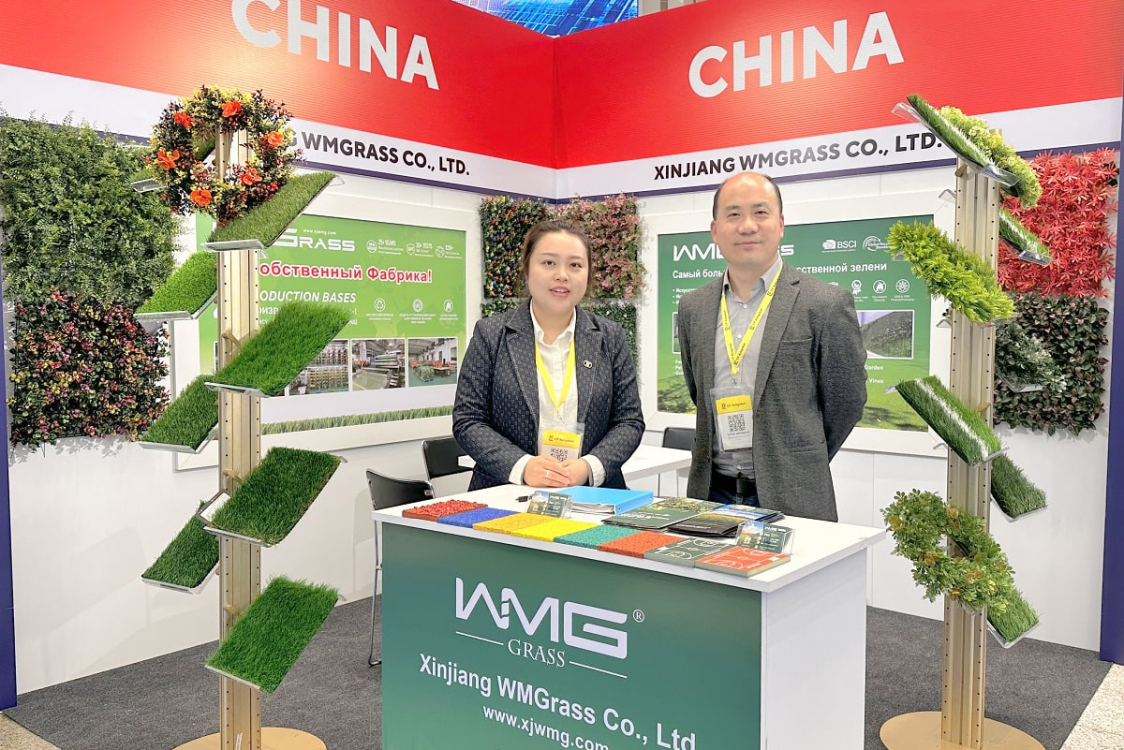
The Chinese company WMGrass is exploring the Turkmenistan market
03.04.2026The ‘Cooperation and Development’ International Exhibition, which has opened in Ashgabat, has provided a platform for direct negotiations between Turkmen and foreign companies. The event is being held at the Chamber of Commerce and Industry. Participants are showcasing innovations in the energy sector, infrastructure and other industries. This is reported by the publication ‘Turkmenistan: Golden age’. The Chinese company ‘WMGrass’ from Xinjiang Province presented its products. The company is considering entering the Turkmenistan market against the backdrop of the development of sports and urban infrastructure. As noted by the company’s representative, Una Wu, this was their first visit to the country. According to Wu, the artificial turf is characterised by its resistance to wear and tear and climatic conditions. The material does not require frequent watering, retains its properties when exposed to the sun and is designed for long-term use. The company offers surfaces for football pitches, golf clubs, tennis courts and multi-purpose sports grounds. The products are certified by international organisations, including FIFA Sports Labs, the IAAF and the ITF. Tests were carried out in independent laboratories, including Labosport and Sports Labs. A separate range of solutions for landscape design is also available. The surfaces are designed for the landscaping of parks, playgrounds, hotel grounds and private properties.
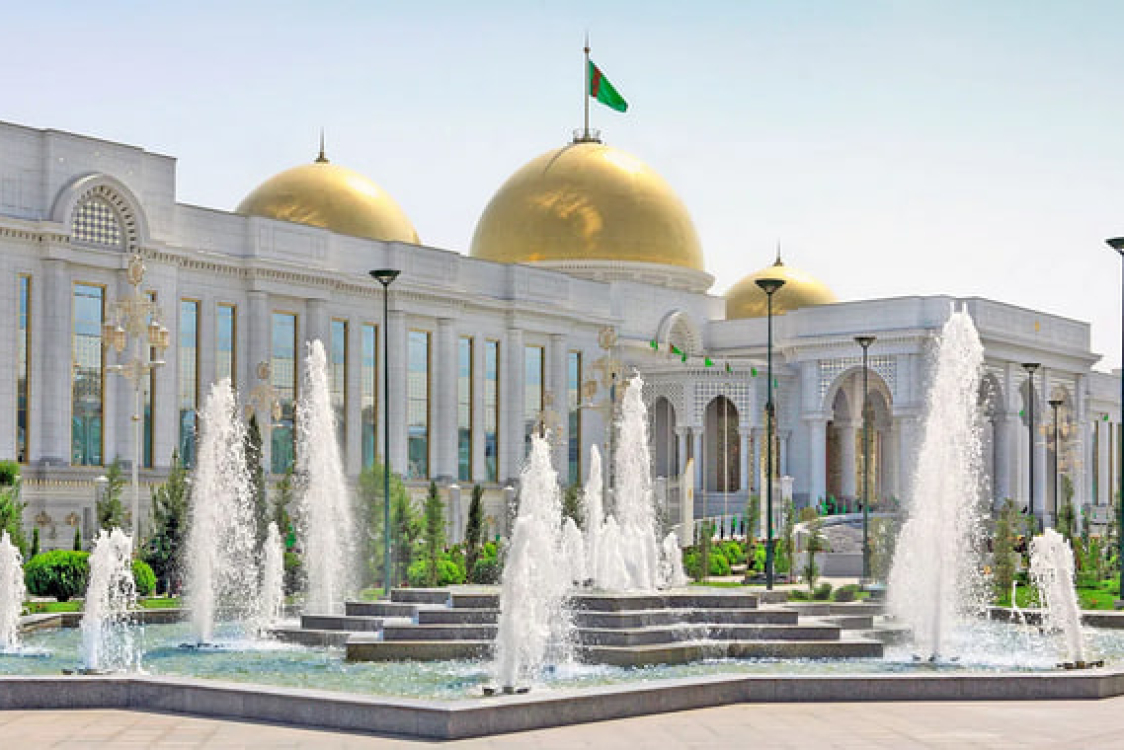
Serdar Berdimuhamedov sent a message of congratulations to the President of Brazil
03.04.2026The President of Turkmenistan, Serdar Berdimuhamedov, has sent a congratulatory message to the President of the Federative Republic of Brazil, Luiz Inácio Lula da Silva, to mark the 30th anniversary of the establishment of diplomatic relations between the two countries. This was reported by the website AsmanNews. The Head of State emphasised that bilateral relations are based on the principles of mutual respect, equality and trust. He noted Turkmenistan’s interest in further expanding cooperation. The President expressed confidence in the development of cooperation in the interests of both nations. He also wished Luiz Inácio Lula da Silva good health and well-being, and the people of Brazil progress and prosperity.
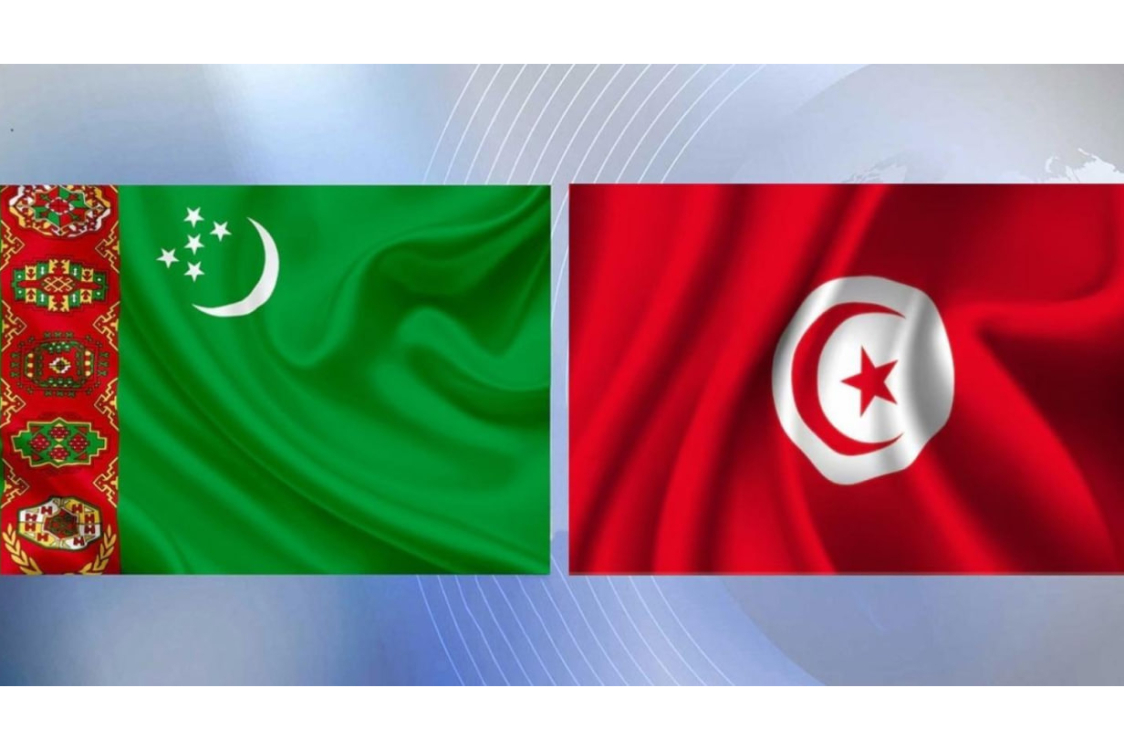
Turkmenistan and Tunisia have reaffirmed their commitment to expanding cooperation
02.04.2026On 1 April, Rashid Meredov, Minister of Foreign Affairs of Turkmenistan, held a telephone conversation with Mohamed Ali Nafti, Minister of Foreign Affairs, Migration and Tunisians Abroad of the Republic of Tunisia. This was reported by the press service of the Ministry of Foreign Affairs of Turkmenistan. The parties discussed topical issues on the bilateral agenda and reaffirmed their interest in developing political and diplomatic dialogue, as well as expanding trade, economic, cultural and humanitarian ties. At the conclusion of the conversation, the ministers reaffirmed their commitment to further expanding multifaceted cooperation between Turkmenistan and Tunisia.
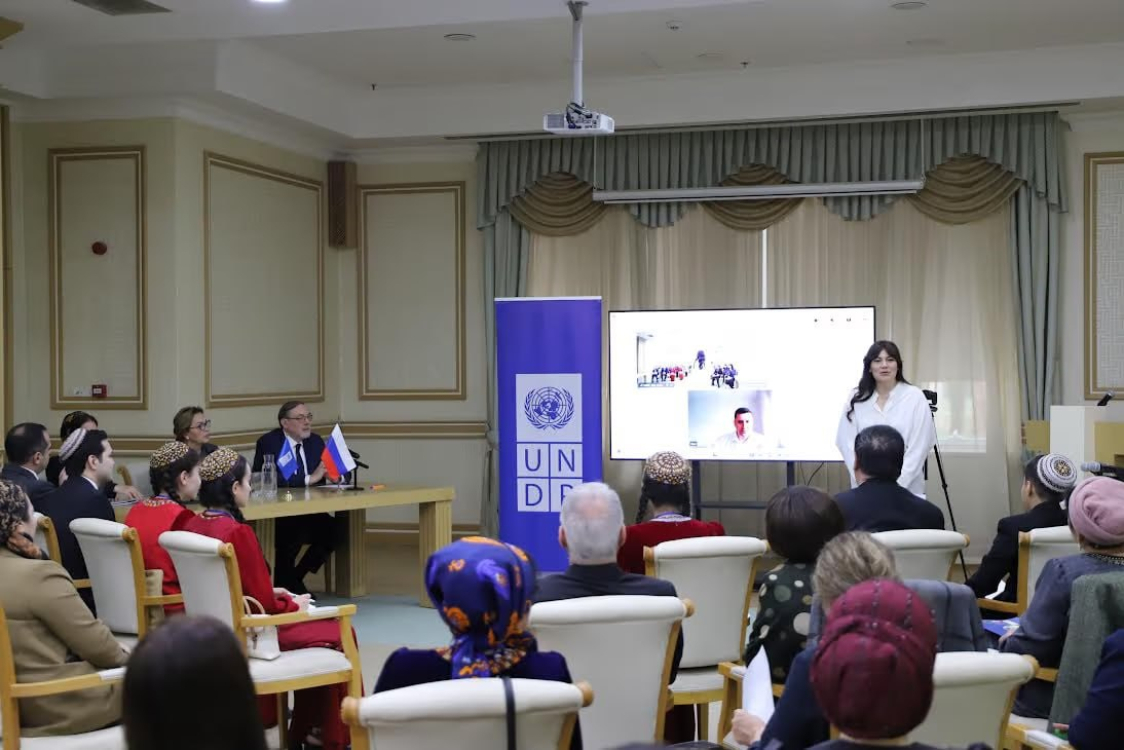
UNDP has updated its climate education project for Turkmenistan
02.04.2026The United Nations Development Programme (UNDP) in Turkmenistan held a closing workshop for the regional project ‘Climate Education for Sustainable Development Goals and Climate Action (Climate Box)’, which aims to strengthen climate education in the country. This was reported by IIC. The workshop was attended by representatives from the education, environment and health sectors, the academic community, youth organisations, NGOs and international partners. The project, funded by the Russian Federation, supports knowledge exchange, international cooperation and the dissemination of best practices in climate education. The educational material is already available in 17 languages and has become a global platform for schoolchildren and teachers. The highlight of the event was the presentation of the updated version of the ‘Climate Box’, an interactive educational package adapted to the conditions of Turkmenistan, created with the participation of national experts and available in both print and electronic formats. UNDP Resident Representative in Turkmenistan Narine Sahakyan noted that education and the development of environmental literacy among young people are key to addressing climate challenges. Russian Ambassador to Turkmenistan Ivan Volynkin highlighted the project’s long-term impact on the development of environmental culture in Central Asia. The workshop included presentations of the adapted kit, demonstrations and talks by scientists, teachers and students. The event concluded with the handover of the ‘Climate Box’ to national partners, including the Ministry of Education, for use in schools across the country. The ‘Climate Box’ project covers countries in Eastern Europe, Central and South-East Asia, engaging children and young people in learning about climate change and inspiring them to take action. In Turkmenistan, its implementation was made possible due to the support of the country’s government and the Trust Fund of the Russian Federation.
Read also
Advertising

 Read us in Zen


